





---
The Middle Corridor, a strategic trade route linking Asia to Europe, is significantly transforming the landscape of Eurasian commerce. As global supply chains evolve, Türkiye is emerging as a vital facilitator of this connectivity, enhancing its position as a key player in international trade.
The Middle Corridor Explained
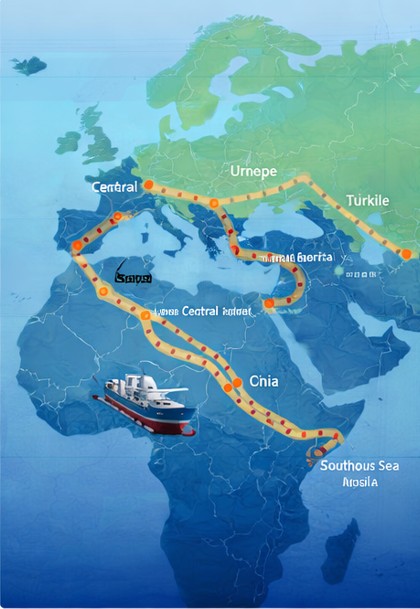
The Middle Corridor is an overland route that connects China with Europe through Central Asia and Türkiye. This corridor seeks to provide an alternative to the traditional maritime routes, which can be subject to delays and geopolitical tensions. By facilitating the movement of goods across borders, the corridor aims to enhance trade efficiency and reduce reliance on maritime shipping.
The route runs from China's western regions, traverses through Kazakhstan, and then crosses the Caspian Sea to reach Azerbaijan. From there, it extends through Türkiye and into Europe. This seamless connectivity is expected to attract significant freight traffic, providing businesses with a reliable option for transporting goods.
Türkiye’s Strategic Position
Türkiye's geographical location plays a crucial role in its burgeoning status as a connector between East and West. The country’s infrastructure, including railways, highways, and ports, is being upgraded to support the increasing trade volume expected from the Middle Corridor. Recent investments in logistics hubs and intermodal transport facilities are designed to streamline the movement of goods, making Türkiye an attractive node in the global supply chain.
Furthermore, Türkiye's efforts to enhance customs procedures and reduce transit times are pivotal. By simplifying bureaucratic processes and leveraging technology, the country aims to facilitate smoother trade flows. This commitment to efficiency is attracting businesses looking for reliable transit routes to access European markets.
Regional Cooperation and Challenges
The success of the Middle Corridor relies on regional cooperation among the involved countries. Türkiye, as well as Kazakhstan, Azerbaijan, and others, must work together to address logistical challenges and harmonize regulations. This collaboration is essential for ensuring that the corridor operates effectively and can compete with other trade routes.
However, challenges remain. Political tensions and differing economic interests among the countries involved can complicate coordination efforts. Additionally, investment in infrastructure must keep pace with the growing demand for transportation services. Ensuring that rail and road networks can handle increased traffic will be crucial for the long-term viability of the Middle Corridor.
Despite these hurdles, the overall outlook for the corridor appears positive. As more businesses recognize the advantages of using this route, the potential for increased trade activity grows. Analysts suggest that as the corridor becomes more established, it could significantly influence trade patterns in Eurasia.
In conclusion, the Middle Corridor is reshaping the dynamics of trade in Eurasia, with Türkiye emerging as a pivotal connector between East and West. As infrastructure and trade facilitation efforts continue to develop, the potential for enhanced economic collaboration across the region seems promising. The successful implementation of this corridor may redefine supply chain logistics and create new opportunities for businesses in Türkiye and beyond.
Silk Road Economic Belt Map
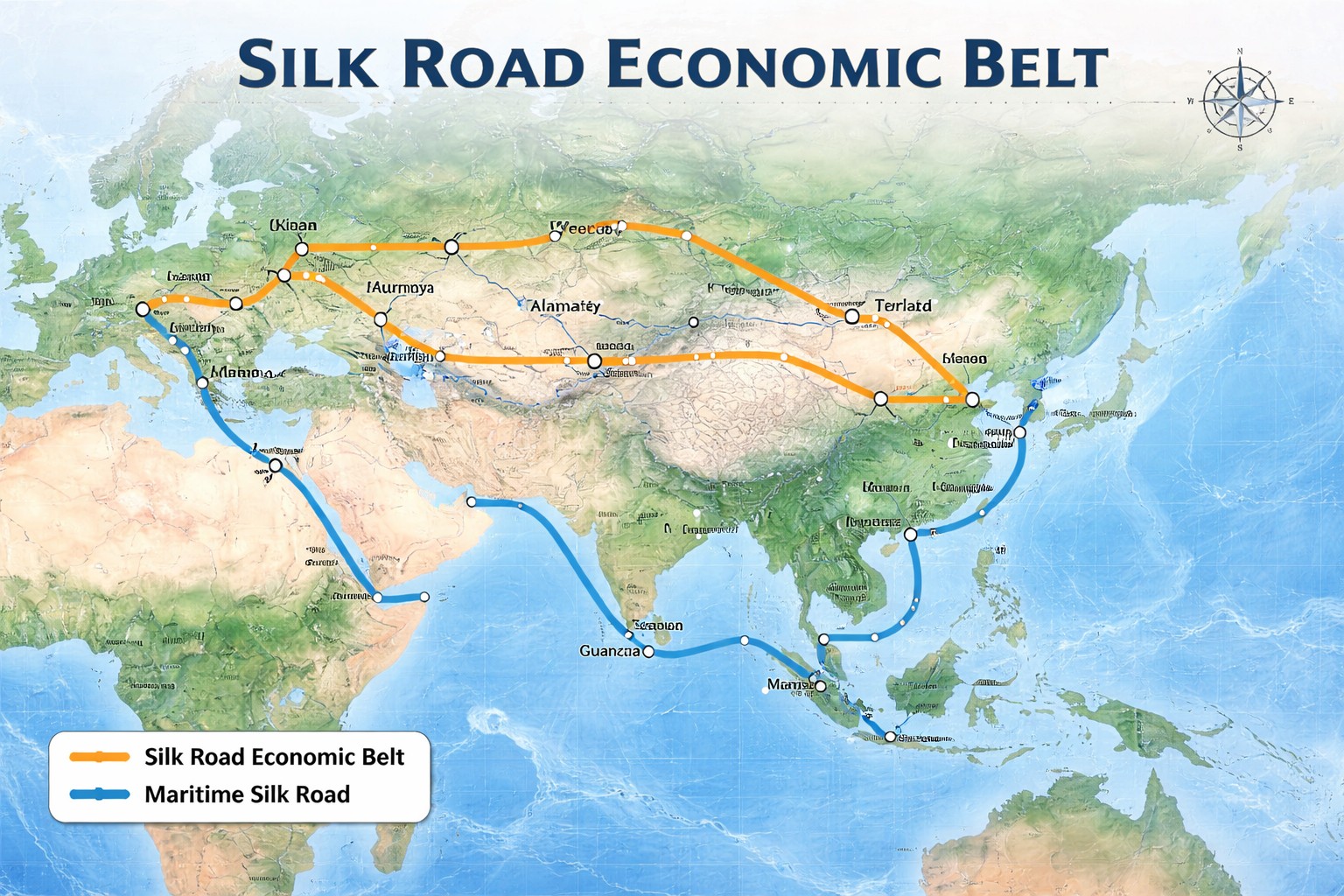
Map overview of Eurasian corridors and trade routes.
Recommended Resources
This page may contain affiliate links. If you buy through these links, we may earn a commission at no extra cost to you.
Logistics & Supply Chain Book
Useful background reading for transport corridors, trade routes, and supply chains.
View ResourceTrade Data Platform
A platform for researching trade flows, customs data, and freight trends.
Open PlatformBusiness Travel Insurance
Optional partner offer for readers traveling across Eurasia for business.
Check Offer