





---
The Astana Times has reported on an ambitious infrastructure project designed to create a major transport corridor connecting Kazakhstan, Russia, and China. This initiative, which is expected to be completed by the end of 2015, is poised to enhance trade and logistics in the region, facilitating smoother movement of goods and services across these three key nations.
Strategic Importance of the Corridor
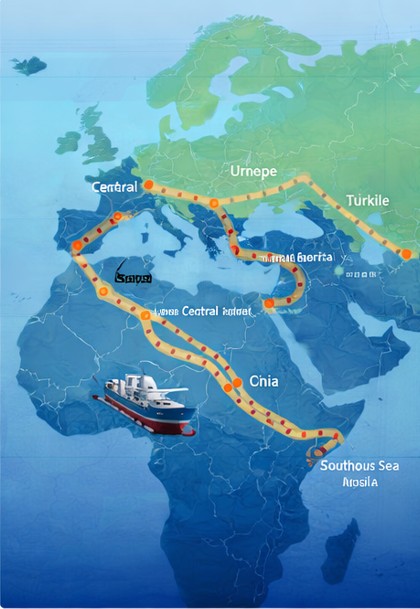
The new transport corridor is strategically significant as it links two of the largest economies in Eurasia—Russia and China—with Kazakhstan, an important player in the region. This initiative aligns with the broader goals of enhancing regional connectivity and economic integration under China's Silk Road Economic Belt initiative.
By establishing this corridor, the involved countries aim to reduce transit times and lower transportation costs, benefiting industries reliant on efficient supply chains. The project is expected to open up new avenues for trade, particularly in sectors such as energy, agriculture, and manufacturing.
Infrastructure Developments Underway
To realize this ambitious plan, various infrastructure developments are currently in progress. These include the construction of new railways, roads, and logistics hubs designed to accommodate increased freight traffic. Investment in modern facilities will help streamline customs processes and improve overall logistics efficiency.
Kazakhstan has been proactive in improving its transport infrastructure, with several projects already underway to upgrade existing road and rail networks. Russia and China are also expected to contribute to the development of the corridor, with investments aimed at enhancing cross-border transportation links.
This collaborative effort reflects a broader trend of increasing interdependence among the three nations, as they seek to bolster their economic ties. The corridor is anticipated to serve as a vital link for trade not only within this triad but also for broader Eurasian connectivity.
Economic Implications
The completion of this transport corridor is likely to have far-reaching economic implications for all three countries. For Kazakhstan, the corridor represents an opportunity to position itself as a key transit hub between Europe and Asia. This could lead to increased foreign investment and a boost in local industries, particularly in logistics and transportation.
Russia stands to gain from enhanced access to Chinese markets, which could facilitate the export of goods and services. Increased trade flows along the corridor may also contribute to economic growth within Russia’s less developed regions, which have historically faced challenges in attracting investment.
Meanwhile, for China, the corridor aligns with its strategic interests in expanding trade routes and increasing its influence in Central Asia. Improved access to Kazakhstan and Russia could enhance China’s ability to source natural resources and expand its market reach.
While the potential benefits of the corridor are substantial, it is essential to recognize the challenges that may arise. Coordination among the three nations regarding regulatory standards, customs procedures, and infrastructure maintenance will be crucial for the corridor's long-term success.
Additionally, geopolitical factors could influence the operational efficiency of the corridor. Stakeholders must remain vigilant to navigate any potential political tensions that could arise in the region.
In conclusion, the establishment of a major transport corridor connecting Kazakhstan, Russia, and China by 2015 represents a significant step towards enhancing regional trade and logistics. As infrastructure developments progress, the implications for economic growth and cooperation among these nations are expected to unfold in the coming years. Continued collaboration and investment will be essential to ensure the corridor's success and to realize its full potential in fostering economic integration in Eurasia.
Silk Road Economic Belt Map
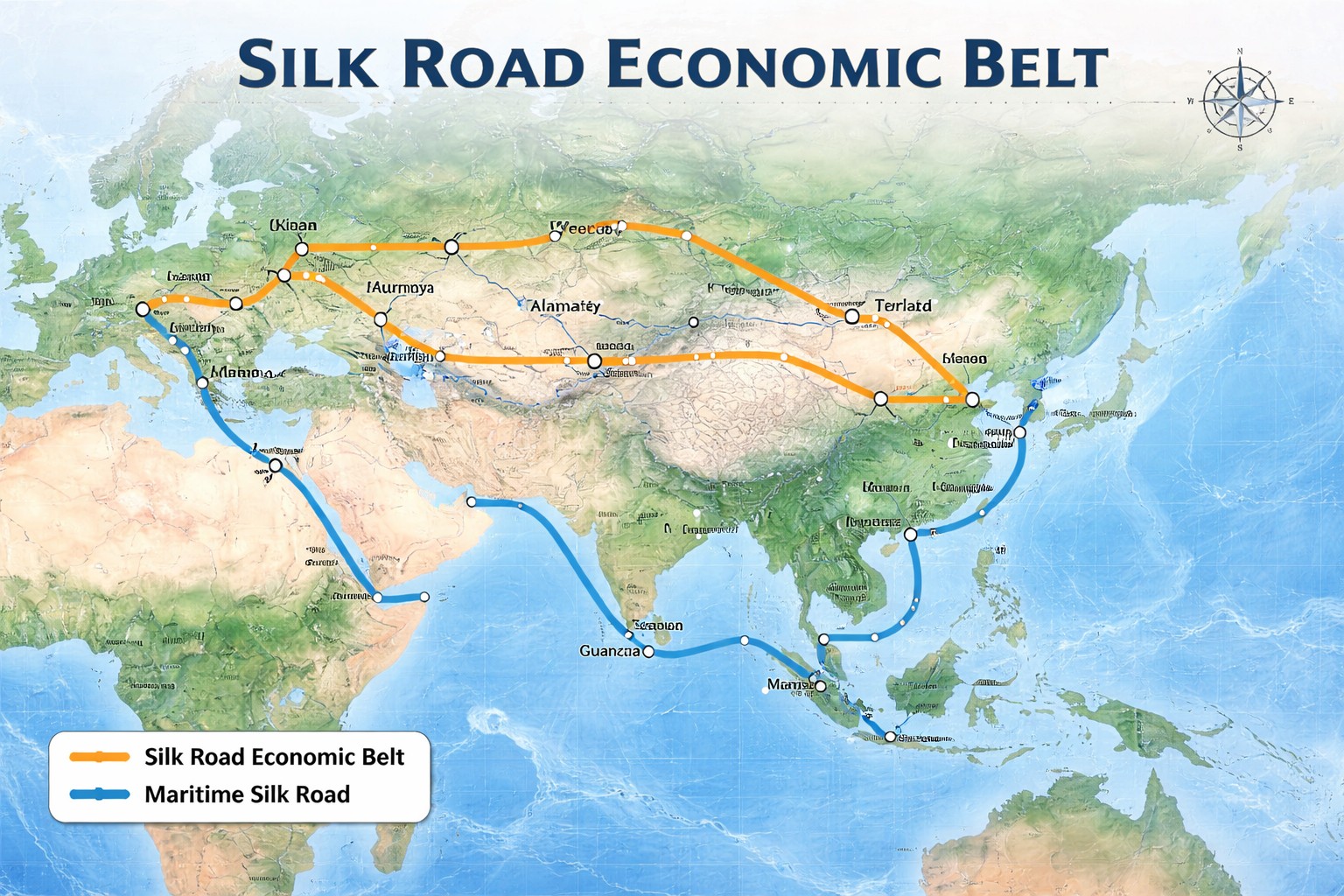
Map overview of Eurasian corridors and trade routes.
Recommended Resources
This page may contain affiliate links. If you buy through these links, we may earn a commission at no extra cost to you.
Logistics & Supply Chain Book
Useful background reading for transport corridors, trade routes, and supply chains.
View ResourceTrade Data Platform
A platform for researching trade flows, customs data, and freight trends.
Open PlatformBusiness Travel Insurance
Optional partner offer for readers traveling across Eurasia for business.
Check Offer