





---
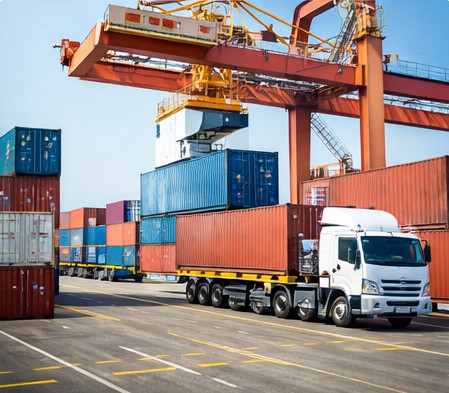
As global trade patterns shift, the Caspian-Central Asia corridor is experiencing increasing logistics pressure. This region, which serves as a critical juncture for trade between Europe and Asia, is witnessing changes that could have lasting implications for infrastructure and investment in the area.
Evolving Trade Routes and Their Impact
The Caspian-Central Asia corridor has traditionally been a vital link for transporting goods across vast distances. However, recent developments in global trade routes, driven by geopolitical events and economic shifts, are challenging the existing logistics frameworks.
Countries in Central Asia, including Kazakhstan, Uzbekistan, and Turkmenistan, are strategically positioned to benefit from these changes. The rise of e-commerce and the need for faster delivery times are pushing logistics providers to adapt quickly. As a result, there is an increasing demand for improved transportation networks and facilities.
With the growing volume of goods moving through this corridor, logistics companies are under pressure to enhance their operational capabilities. This includes expanding warehousing facilities, upgrading transportation fleets, and optimizing supply chain processes. The urgency to meet these demands underscores the necessity for robust infrastructure development in the region.
Infrastructure Development Needs
The infrastructure in the Caspian-Central Asia corridor is currently facing significant challenges. Many existing transport routes are inadequate to handle the increasing trade volumes. Upgrades to railways, highways, and ports are essential to ensure that goods can move efficiently across borders.
Investment in infrastructure is being prioritized by regional governments as they seek to enhance their global competitiveness. Public-private partnerships are becoming a common approach to financing these projects, allowing for shared risk and resources. International investors are also recognizing the potential for growth in this corridor, leading to a surge in funding for infrastructure initiatives.
However, the pace of development may not be sufficient to keep up with the growing demand. Delays in project completion and bureaucratic hurdles continue to pose challenges to timely logistics operations. Addressing these issues will be crucial for maintaining the corridor's viability as a key trade route.
Geopolitical Considerations
The geopolitical landscape in Eurasia is another factor impacting logistics in the Caspian-Central Asia corridor. The region is influenced by various international players, including China, Russia, and the European Union, each with their own strategic interests.
China's Belt and Road Initiative has placed significant focus on developing trade routes in Central Asia, leading to increased investment in infrastructure and logistics. However, the complexities of regional politics can complicate cooperation among countries, potentially hindering progress.
Moreover, security concerns in certain areas of Central Asia may also affect logistics operations. Companies operating in the region must navigate these geopolitical dynamics to ensure the safety and efficiency of their supply chains.
As trade routes continue to evolve, the Caspian-Central Asia corridor stands at a crossroads. The region has the potential to play a pivotal role in facilitating global trade, but significant challenges remain.
In conclusion, the logistics pressure building in the Caspian-Central Asia corridor highlights the need for ongoing investment and infrastructure development. As countries adapt to changing trade dynamics, their ability to enhance logistics capabilities will significantly influence the region's economic future.
Silk Road Economic Belt Map
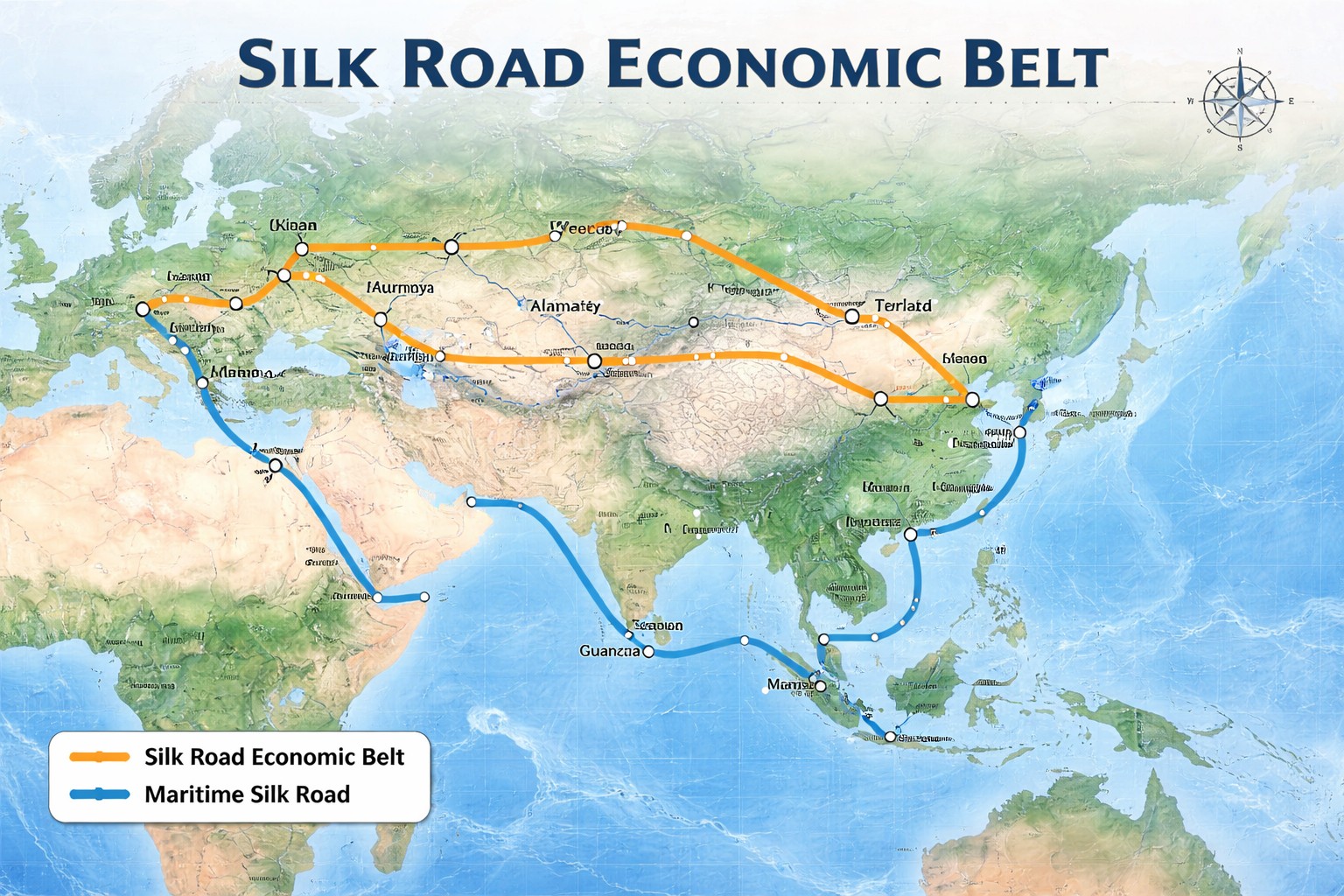
Map overview of Eurasian corridors and trade routes.
Recommended Resources
This page may contain affiliate links. If you buy through these links, we may earn a commission at no extra cost to you.
Logistics & Supply Chain Book
Useful background reading for transport corridors, trade routes, and supply chains.
View ResourceTrade Data Platform
A platform for researching trade flows, customs data, and freight trends.
Open PlatformBusiness Travel Insurance
Optional partner offer for readers traveling across Eurasia for business.
Check Offer