
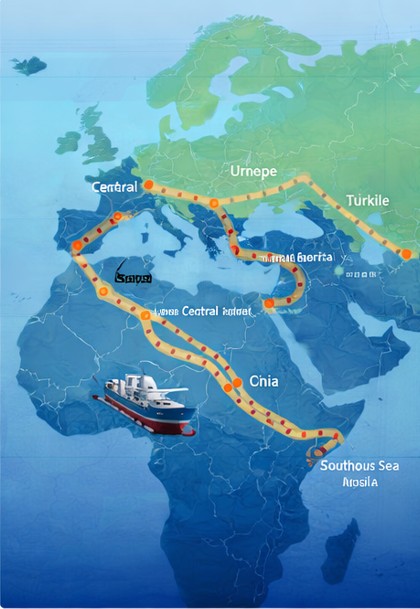





Strengthening Trade Connectivity
Lithuania is strategically positioning itself to improve trade connectivity with Central Asia and China by exploring the potential of the Middle Corridor. This initiative aligns with the country’s broader goals of enhancing its logistical framework and diversifying its trade routes.
The Middle Corridor, which encompasses a network of transport routes connecting Europe and Asia via the Caspian Sea, is seen as a promising alternative to traditional shipping lanes. Lithuania’s interest in this corridor reflects a growing trend among countries in the region to seek more efficient and reliable trade pathways. The initiative could facilitate smoother exchanges of goods, particularly for Lithuanian exporters looking to tap into Central Asian markets.
Infrastructure Development Initiatives
To realize this ambition, Lithuania is likely to invest in infrastructure development that supports the Middle Corridor. This includes enhancing rail connections, upgrading port facilities, and improving road networks. By doing so, the country aims to create a more integrated transport system that can efficiently handle the increasing volume of trade.
Collaboration with neighboring countries will also be crucial in this endeavor. Lithuania may seek partnerships with nations along the Middle Corridor, including those in the Caucasus region, to coordinate logistics and streamline customs procedures. Such cooperation could lead to significant improvements in transit times and reduce overall shipping costs for businesses.
Economic Diversification and Trade Growth
Expanding trade routes through the Middle Corridor presents an opportunity for Lithuania to diversify its economic ties. Currently, the Baltic nation primarily engages with European markets; however, increasing trade with Central Asia and China could open new avenues for growth. The potential for enhanced exports of Lithuanian goods, including agricultural products and manufactured items, may significantly benefit the economy.
Furthermore, as global supply chains evolve, Lithuania’s proactive approach to establishing new trade routes may position it favorably in the competitive Eurasian landscape. By reducing dependency on traditional maritime routes, Lithuania can increase its resilience against disruptions that may affect international trade.
In conclusion, Lithuania’s exploration of the Middle Corridor as a means to expand its trade routes to Central Asia and China represents a strategic move towards enhancing its logistical capabilities and economic diversification. Through infrastructure investments and regional collaboration, Lithuania aims to strengthen its position in the rapidly changing landscape of global trade.
Silk Road Economic Belt Map
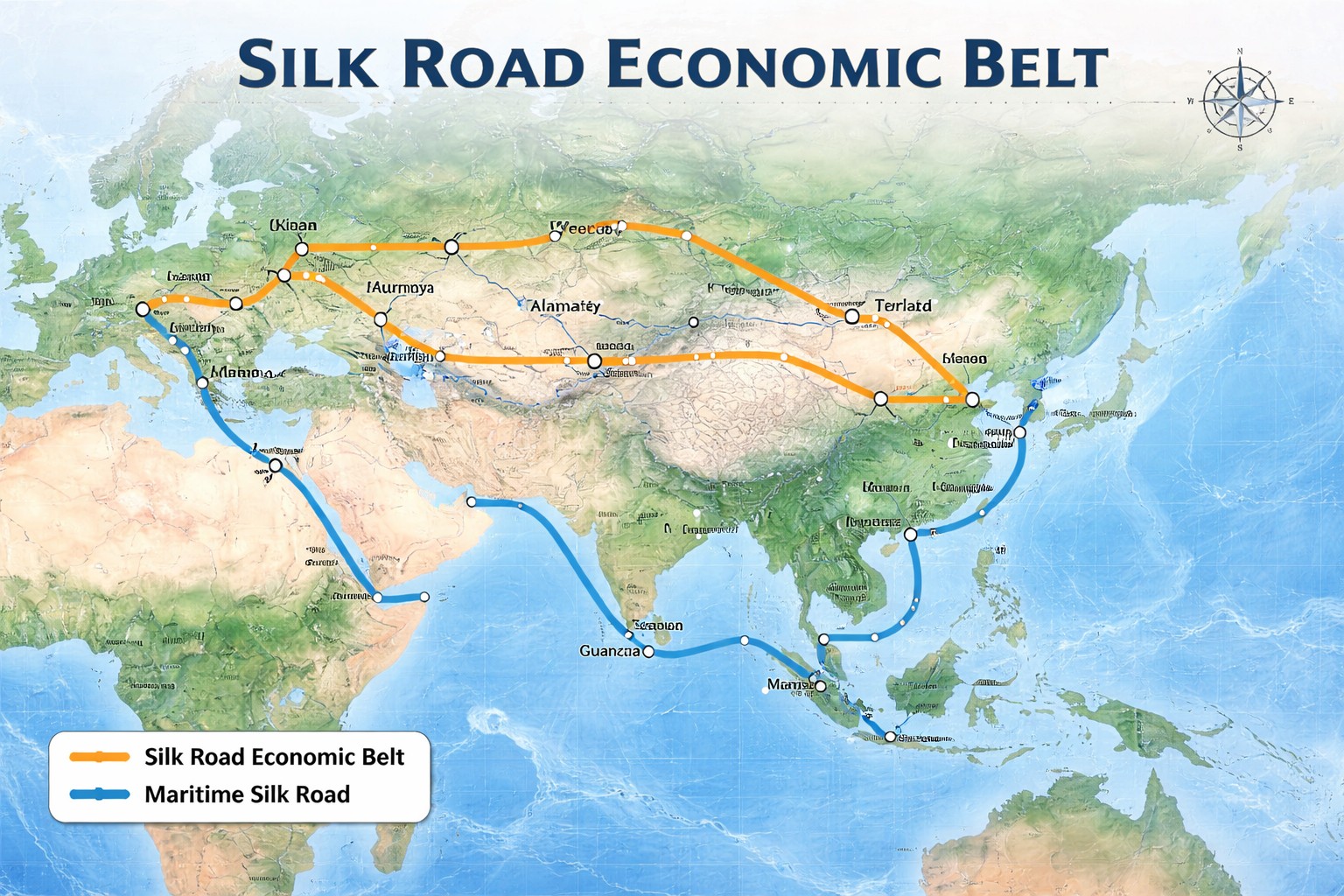
Map overview of Eurasian corridors and trade routes.
Recommended Resources
This page may contain affiliate links. If you buy through these links, we may earn a commission at no extra cost to you.
Logistics & Supply Chain Book
Useful background reading for transport corridors, trade routes, and supply chains.
View ResourceTrade Data Platform
A platform for researching trade flows, customs data, and freight trends.
Open PlatformBusiness Travel Insurance
Optional partner offer for readers traveling across Eurasia for business.
Check Offer