
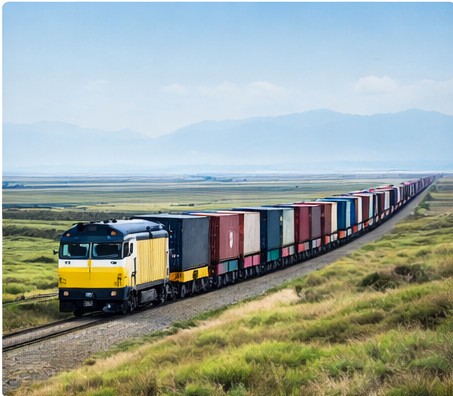





Strategic Importance of the Railway
Kyrgyzstan is positioning itself to attract European Union investments for the development of the China-Kyrgyzstan-Uzbekistan railway, a pivotal infrastructure project that aims to bolster trade and connectivity within Central Asia. This railway is seen as a crucial element in enhancing the logistics capabilities of the region, facilitating transport between China and Uzbekistan while also linking to broader international markets.
The railway project is expected to play a significant role in the economic strategies of the involved nations. By improving transportation infrastructure, it can help reduce transit times and costs, making goods movement more efficient across borders. The Chinese government has already invested heavily in the project, aiming to integrate it into the wider Belt and Road Initiative (BRI), which seeks to enhance connectivity between Asia, Europe, and beyond.
Seeking EU Engagement
Kyrgyz officials have recently highlighted the need for European investment to complement the existing financial commitments from China. The country’s leadership recognizes that EU participation could bring not only additional capital but also expertise in technology and project management that could enhance the railway’s development and operational efficiency.
The interest in EU investment comes at a time when the geopolitical landscape in Eurasia is becoming increasingly complex. With various countries looking to diversify their economic partnerships, Kyrgyzstan's outreach to the EU could provide a counterbalance to the dominant influence of China in the region. Additionally, EU involvement may also align with the bloc's interests in promoting sustainable and environmentally friendly transport solutions in the vicinity.
Challenges and Opportunities
While the prospect of developing the China-Kyrgyzstan-Uzbekistan railway presents numerous opportunities, it is not without its challenges. Infrastructure projects of this scale often encounter a range of obstacles, including regulatory hurdles, financing issues, and geopolitical tensions. Kyrgyzstan must navigate these complexities to secure the necessary investments and ensure the successful implementation of the railway.
Moreover, the project must also address environmental concerns that often accompany large-scale infrastructure developments. Ensuring that the railway is constructed and operated in an ecologically responsible manner will be crucial for garnering support from both local communities and international investors.
In light of these challenges, Kyrgyzstan’s government is likely to focus on building a solid framework for cooperation with the EU, emphasizing transparency and sustainability in the project's execution. This approach could help in attracting not only financial resources but also reinforce Kyrgyzstan's position as a reliable partner in regional trade and connectivity initiatives.
Conclusion
Kyrgyzstan's pursuit of EU investment for the China-Kyrgyzstan-Uzbekistan railway reflects its ambition to enhance regional infrastructure and trade connectivity. As the project progresses, the involvement of European partners may provide the necessary support to navigate the complexities of such a significant investment. The successful realization of this railway could ultimately reshape trade dynamics in Central Asia, promoting economic growth and collaboration among neighboring countries.
Recommended Resources
This page may contain affiliate links. If you buy through these links, we may earn a commission at no extra cost to you.
Logistics & Supply Chain Book
Useful background reading for transport corridors, trade routes, and supply chains.
View ResourceTrade Data Platform
A platform for researching trade flows, customs data, and freight trends.
Open PlatformBusiness Travel Insurance
Optional partner offer for readers traveling across Eurasia for business.
Check Offer