
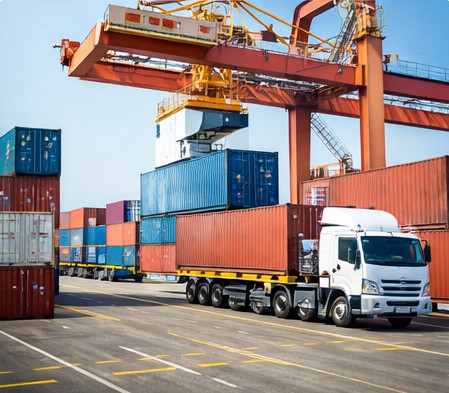





Enhancing Infrastructure for Trade
Kazakhstan's position as a key player in the Eurasian logistics landscape has prompted significant discussions around infrastructure and reform. Mukhtar Tolegen, a prominent figure in Kazakhstan’s logistics sector, emphasizes the critical need for modern infrastructure to bolster trade routes and improve efficiency.
The country’s geographical location offers a unique advantage, linking Europe and Asia. However, to fully capitalize on this strategic position, Kazakhstan must enhance its logistics framework. Tolegen points out that outdated facilities and logistical bottlenecks pose challenges that hinder the flow of goods. Upgrading existing infrastructure and investing in new facilities are essential steps to ensure that the logistics sector can meet the demands of both domestic and international markets.
Investment in Logistics Projects
Investment plays a pivotal role in transforming Kazakhstan's logistics capabilities. The government has recognized the importance of attracting foreign investment to modernize the country’s infrastructure. Tolegen notes that partnerships with international firms can bring in not only capital but also advanced technologies and best practices.
Recent initiatives have shown promise, with various projects aimed at improving railroads, highways, and port facilities. These improvements are expected to decrease transit times and costs, making Kazakhstan an even more attractive option for businesses looking to establish a foothold in the region. Tolegen advocates for a streamlined regulatory framework to facilitate investment and ensure that projects can be executed efficiently.
Reforming Logistics and Trade Policies
To further enhance its logistics sector, Kazakhstan is also focusing on reforming trade policies. Tolegen suggests that simplifying customs procedures and reducing bureaucratic hurdles can significantly improve the efficiency of logistics operations. By creating a more business-friendly environment, the country can stimulate growth in trade and attract more investors.
Additionally, Tolegen highlights the importance of digitalization in logistics. Implementing technological solutions can help track shipments in real time, manage inventory more effectively, and enhance overall supply chain transparency. These reforms are vital in ensuring that Kazakhstan remains competitive in an increasingly globalized economy.
Kazakhstan’s logistics landscape is evolving, driven by the need for modernization and reform. Mukhtar Tolegen’s insights reflect a broader understanding of the challenges and opportunities facing the sector. By prioritizing infrastructure development, attracting investment, and reforming trade policies, Kazakhstan aims to strengthen its position as a vital logistics hub in Eurasia. As these initiatives unfold, the success of Kazakhstan's logistics sector will depend on continued commitment to modernization and collaboration with international partners.
Recommended Resources
This page may contain affiliate links. If you buy through these links, we may earn a commission at no extra cost to you.
Logistics & Supply Chain Book
Useful background reading for transport corridors, trade routes, and supply chains.
View ResourceTrade Data Platform
A platform for researching trade flows, customs data, and freight trends.
Open PlatformBusiness Travel Insurance
Optional partner offer for readers traveling across Eurasia for business.
Check Offer