
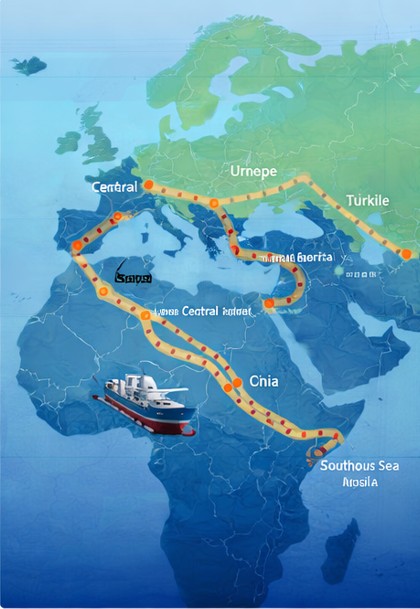





Kazakhstan has emerged as a focal point for international investment and trade, particularly in the context of the Silk Road Economic Belt. Recent reports from foreign media outlets offer valuable insights into the country’s investment climate, the development of the Middle Corridor, and the dynamics of oil exports, highlighting its strategic role in Eurasia.
Investment Climate in Focus
Foreign media coverage has underscored Kazakhstan's efforts to create a favorable investment environment. The government has implemented a series of reforms aimed at attracting foreign capital, including tax incentives and streamlined licensing procedures. Publications note that the country’s commitment to improving its business climate is reflected in its ranking on the World Bank’s Ease of Doing Business index.
Moreover, the establishment of special economic zones has been highlighted as a significant move to foster industrial growth. These zones offer reduced tax rates and other benefits that appeal to both local and international investors. Analysts have pointed out that Kazakhstan's diverse economy, rich in natural resources and critical minerals, presents numerous opportunities for investment, particularly in sectors like agriculture, technology, and renewable energy.
The Middle Corridor: A Strategic Trade Route
The Middle Corridor, connecting Europe and Asia, is gaining attention as a vital trade route that enhances Kazakhstan's logistics and infrastructure capabilities. Recent discussions in foreign media emphasize the corridor's potential to facilitate trade not just within Central Asia but also with Europe and China.
Kazakhstan's geographical position allows it to serve as a transit hub, linking key markets. The government has invested in upgrading rail and road networks to support this initiative. Reports indicate that the Middle Corridor can alleviate congestion in existing routes while providing a more reliable alternative for goods transportation.
However, challenges remain, particularly concerning infrastructure capacity and efficiency. Analysts suggest that ongoing investments and international cooperation will be essential to maximize the corridor's potential, ensuring that Kazakhstan remains competitive in the global logistics landscape.
Oil Exports and Energy Dynamics
Kazakhstan's oil exports continue to be a cornerstone of its economy, with foreign media noting the country’s strategic partnerships in the energy sector. The nation is one of the largest oil producers in the region, and its energy resources play a critical role in both domestic and regional economic stability.
Recent reports highlight the importance of diversifying export routes to reduce reliance on traditional markets. The development of new pipelines and export facilities is crucial in this regard. Additionally, the government has been proactive in negotiating agreements with neighboring countries to enhance energy security and collaboration.
Moreover, foreign media have noted Kazakhstan's ambitions to transition towards greener energy sources, aiming to balance its oil-driven economy with sustainable practices. Investments in renewable energy projects are being pursued to meet both domestic needs and international climate commitments.
As Kazakhstan navigates its position within the broader context of the Silk Road Economic Belt, the interplay between investment, infrastructure, and energy will be key to its future growth. The insights from foreign media underscore the importance of continued reforms and international engagement in achieving these goals.
In conclusion, Kazakhstan stands at a pivotal point in its economic development, with significant opportunities for investment and trade. The ongoing improvements in its investment climate, the strategic development of the Middle Corridor, and the management of its oil exports are all critical elements that will shape the country's role in Eurasia and beyond. As these initiatives progress, Kazakhstan's potential as a regional hub for trade and investment will likely continue to grow.
Silk Road Economic Belt Map
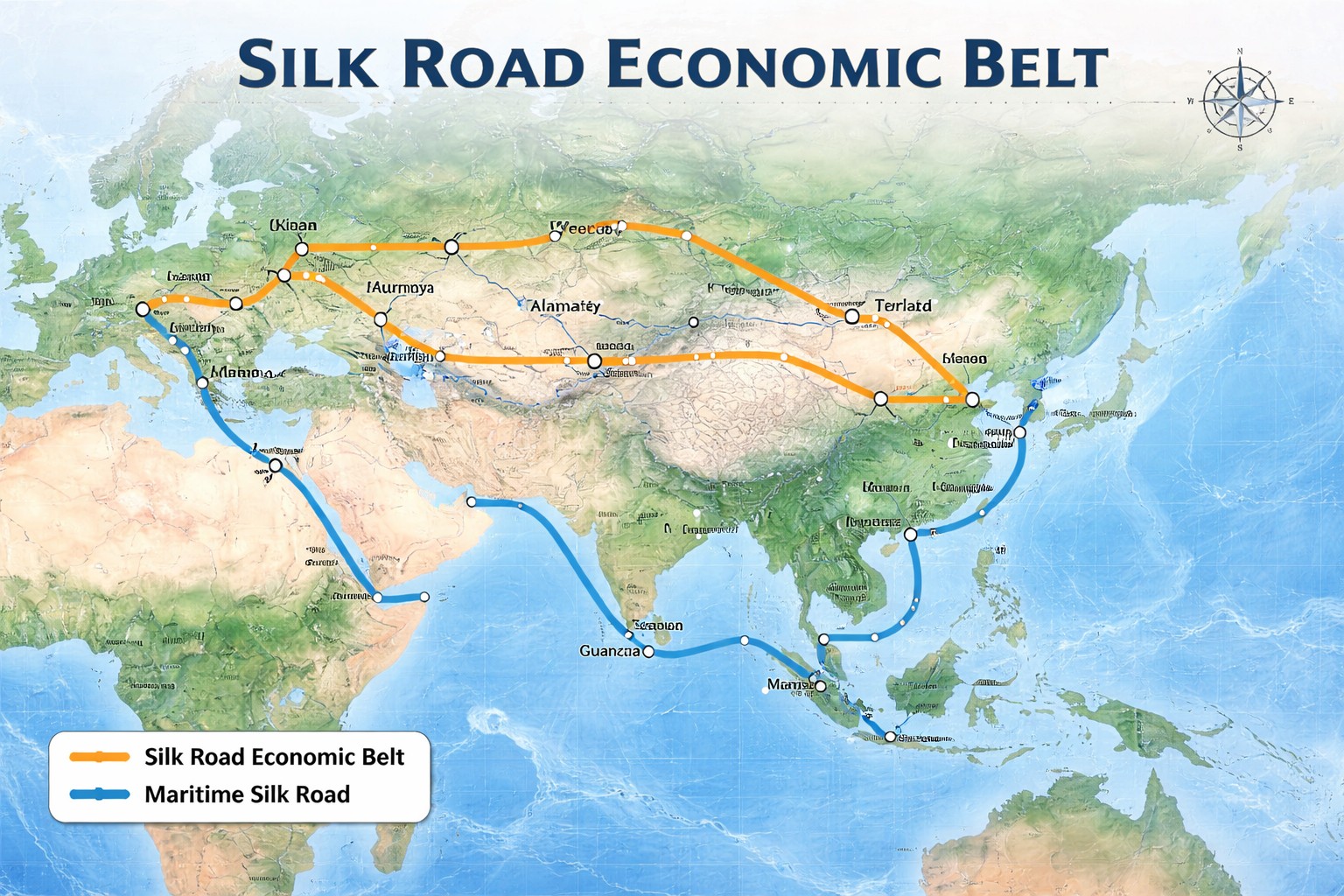
Map overview of Eurasian corridors and trade routes.
Recommended Resources
This page may contain affiliate links. If you buy through these links, we may earn a commission at no extra cost to you.
Logistics & Supply Chain Book
Useful background reading for transport corridors, trade routes, and supply chains.
View ResourceTrade Data Platform
A platform for researching trade flows, customs data, and freight trends.
Open PlatformBusiness Travel Insurance
Optional partner offer for readers traveling across Eurasia for business.
Check Offer