
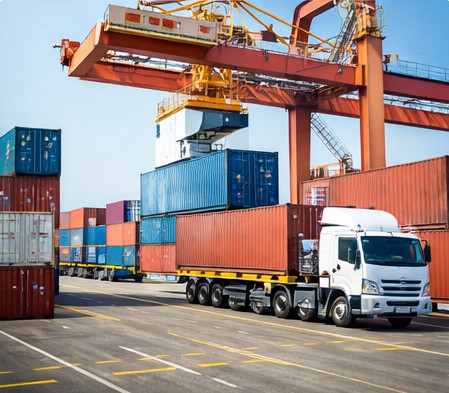





Kazakhstan has announced its readiness to participate in the Zangezur corridor, a development that is poised to reshape the logistics landscape across Eurasia. This corridor, which links Azerbaijan and Armenia through southern Armenia, is expected to enhance connectivity and facilitate trade among countries in the region. As Kazakhstan integrates into this framework, the implications for infrastructure and economic cooperation are considerable.
Strategic Importance of the Zangezur Corridor
The Zangezur corridor is seen as a critical component of the broader transportation network that connects Asia and Europe. By providing a new transit route, it aims to reduce travel times and costs for goods moving between these two economically significant regions. The corridor is not only vital for Azerbaijan and Armenia but also serves the interests of regional players like Kazakhstan, which is keen on improving its logistics capabilities.
Kazakhstan, strategically located in Central Asia, has long been recognized for its potential as a transit hub. The country's involvement in the Zangezur corridor could facilitate easier access to markets in Europe and the Middle East, offering a more efficient alternative to existing routes. This aligns with Kazakhstan's goal to position itself as a key player in international trade, particularly as part of the Belt and Road Initiative.
Enhancing Trade and Investment Opportunities
Kazakhstan's readiness to join the Zangezur corridor is expected to unlock new opportunities for trade and investment within the region. Enhanced connectivity will likely encourage foreign direct investment, as businesses will have more efficient access to markets. This is particularly relevant for sectors such as logistics, manufacturing, and agriculture, where Kazakhstan has been looking to expand its footprint.
The country's government has been proactive in improving its infrastructure, investing in roads, railways, and logistics facilities. These improvements are essential to fully realize the potential of the Zangezur corridor. As Kazakhstan integrates into this project, the synergy between its infrastructure investments and the corridor's objectives could drive economic growth and increase regional competitiveness.
Potential Challenges and Considerations
While the prospects of joining the Zangezur corridor appear promising, there are challenges that Kazakhstan will need to navigate. Regional geopolitical tensions, particularly between Armenia and Azerbaijan, may affect the operational viability of the corridor. Kazakhstan's involvement could be contingent upon the stability of the political landscape in the region.
Moreover, logistical challenges such as customs procedures, border regulations, and transportation infrastructure will need to be addressed. Ensuring smooth transit through the corridor will require collaboration among the involved nations, which may necessitate negotiations and agreements on various logistical matters.
In addition to these logistical and geopolitical considerations, the successful integration of Kazakhstan into the Zangezur corridor will depend on market demand. The effectiveness of this corridor as a trade route relies on the willingness of businesses to utilize it. Therefore, ongoing dialogue among stakeholders is crucial to promote the corridor's advantages and build confidence in its use.
In conclusion, Kazakhstan's readiness to join the Zangezur corridor marks a significant step in enhancing Eurasian logistics. As the country works to integrate into this important trade route, it has the potential to strengthen regional ties and stimulate economic growth. However, the path forward will require careful navigation of geopolitical dynamics and logistical challenges to ensure the corridor's success as a viable trade connection.
Silk Road Economic Belt Map
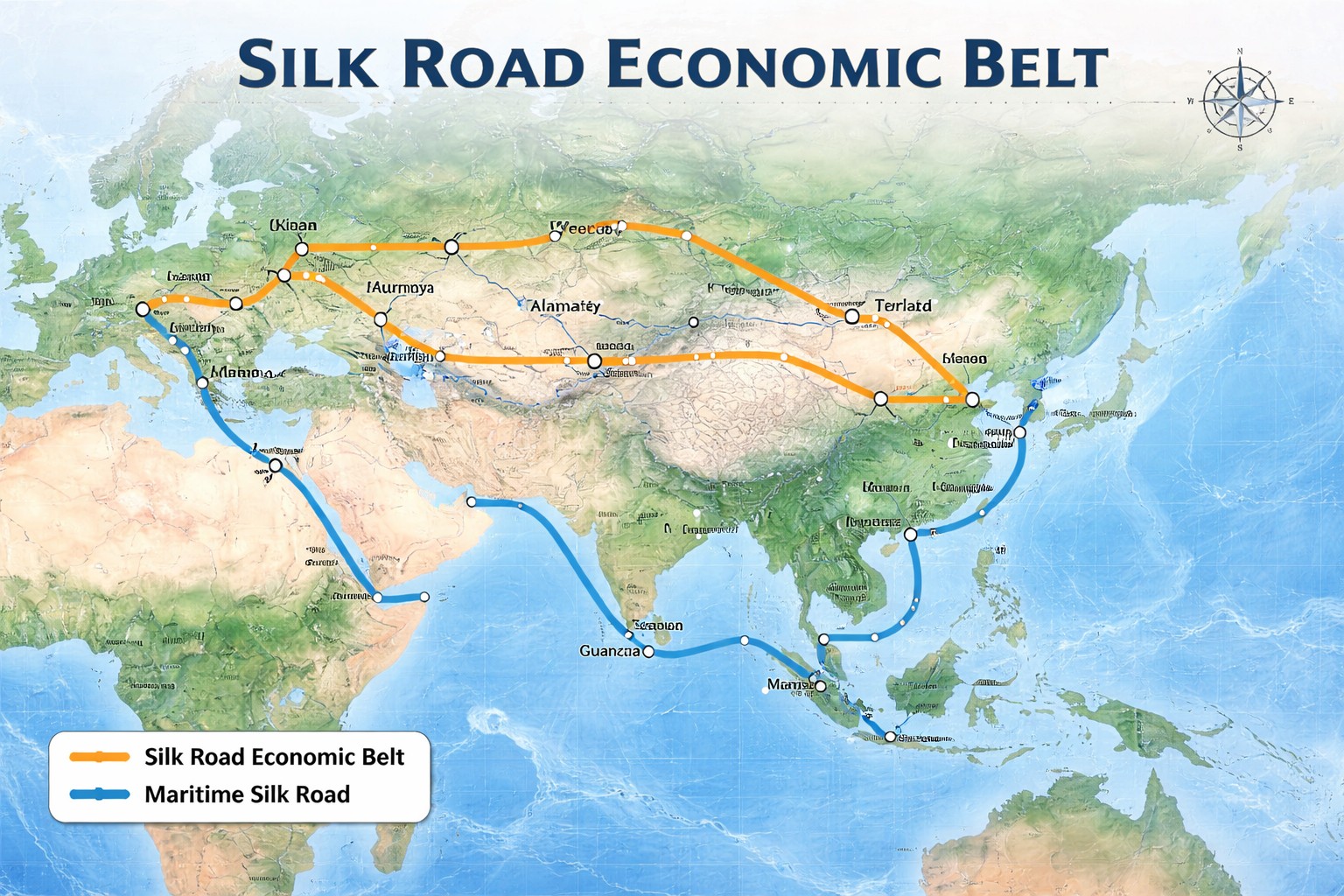
Map overview of Eurasian corridors and trade routes.
Recommended Resources
This page may contain affiliate links. If you buy through these links, we may earn a commission at no extra cost to you.
Logistics & Supply Chain Book
Useful background reading for transport corridors, trade routes, and supply chains.
View ResourceTrade Data Platform
A platform for researching trade flows, customs data, and freight trends.
Open PlatformBusiness Travel Insurance
Optional partner offer for readers traveling across Eurasia for business.
Check Offer