





---
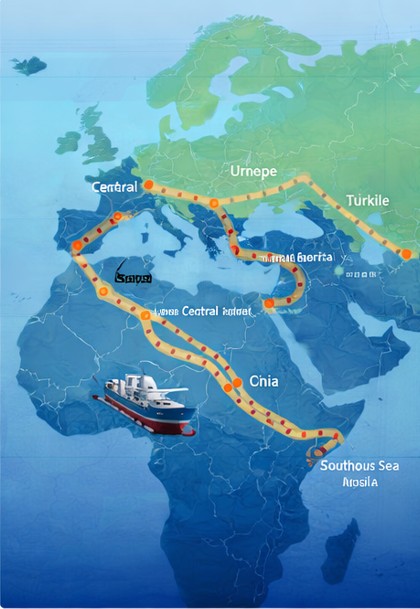
Kazakhstan, Turkmenistan, Russia, and Iran have announced plans to enhance cargo transportation along the North-South Corridor, a strategic trade route aimed at facilitating logistics and boosting economic cooperation among the four nations. This initiative marks a significant step towards improving infrastructure and connectivity in the region, which is vital for trade between Europe and Asia.
Strengthening Regional Connectivity
The North-South Corridor, which runs from northern Russia to southern Iran, is expected to play a crucial role in enhancing trade routes across Eurasia. The collaboration among Kazakhstan, Turkmenistan, Russia, and Iran seeks to streamline logistics and improve the efficiency of cargo transport. By utilizing this corridor, these countries aim to reduce transit times and lower costs for goods moving between Central Asia, the Caucasus, and the Middle East.
Infrastructure upgrades will be necessary to support the increased cargo traffic. This may include the development of rail and road networks, as well as improvements to ports and border facilities. The participating nations are likely to focus on creating a seamless logistics environment, which will encourage greater trade flows and investment opportunities.
Enhancing Trade Opportunities
The North-South Corridor is strategically positioned to serve as an alternative route to maritime shipping routes, which can often be subject to delays and geopolitical tensions. By enhancing this land corridor, Kazakhstan, Turkmenistan, Russia, and Iran are looking to capitalize on the growing demand for efficient trade links.
Trade between these countries has been on the rise, and the enhanced connectivity offered by the North-South Corridor is expected to further stimulate economic activity. By reducing transportation barriers, businesses will have increased access to diverse markets, ultimately benefiting consumers through a wider variety of products and potentially lower prices.
Moreover, this initiative aligns with the broader goals of the Silk Road Economic Belt, which emphasizes the importance of infrastructure development and regional cooperation. As part of this effort, the member countries are likely to explore additional avenues for collaboration, such as joint ventures and investment in logistics infrastructure.
Implications for Eurasian Trade Dynamics
The collaboration between Kazakhstan, Turkmenistan, Russia, and Iran has significant implications for the broader Eurasian trade landscape. As these nations work to enhance the North-South Corridor, they may also inspire other countries in the region to strengthen their own logistics networks and trade partnerships.
The increased efficiency brought by the North-South Corridor could attract foreign investment, particularly from businesses looking to establish a presence in Central Asia and beyond. As the corridor becomes more functional, it may also serve as a model for other regional initiatives aimed at improving trade connectivity.
However, challenges remain. The successful implementation of this initiative will require coordinated efforts among the four countries, as well as continued investment in infrastructure. Political stability and commitment to mutual cooperation will also be essential to ensure the corridor's effectiveness in achieving its goals.
In conclusion, the joint efforts of Kazakhstan, Turkmenistan, Russia, and Iran to enhance the North-South Corridor represent a significant development in regional logistics and trade. By improving cargo transport along this vital route, these countries aim to foster economic growth and strengthen their positions within the larger Eurasian economic landscape. As the initiative progresses, its impact on trade dynamics in the region will be closely monitored.
Silk Road Economic Belt Map
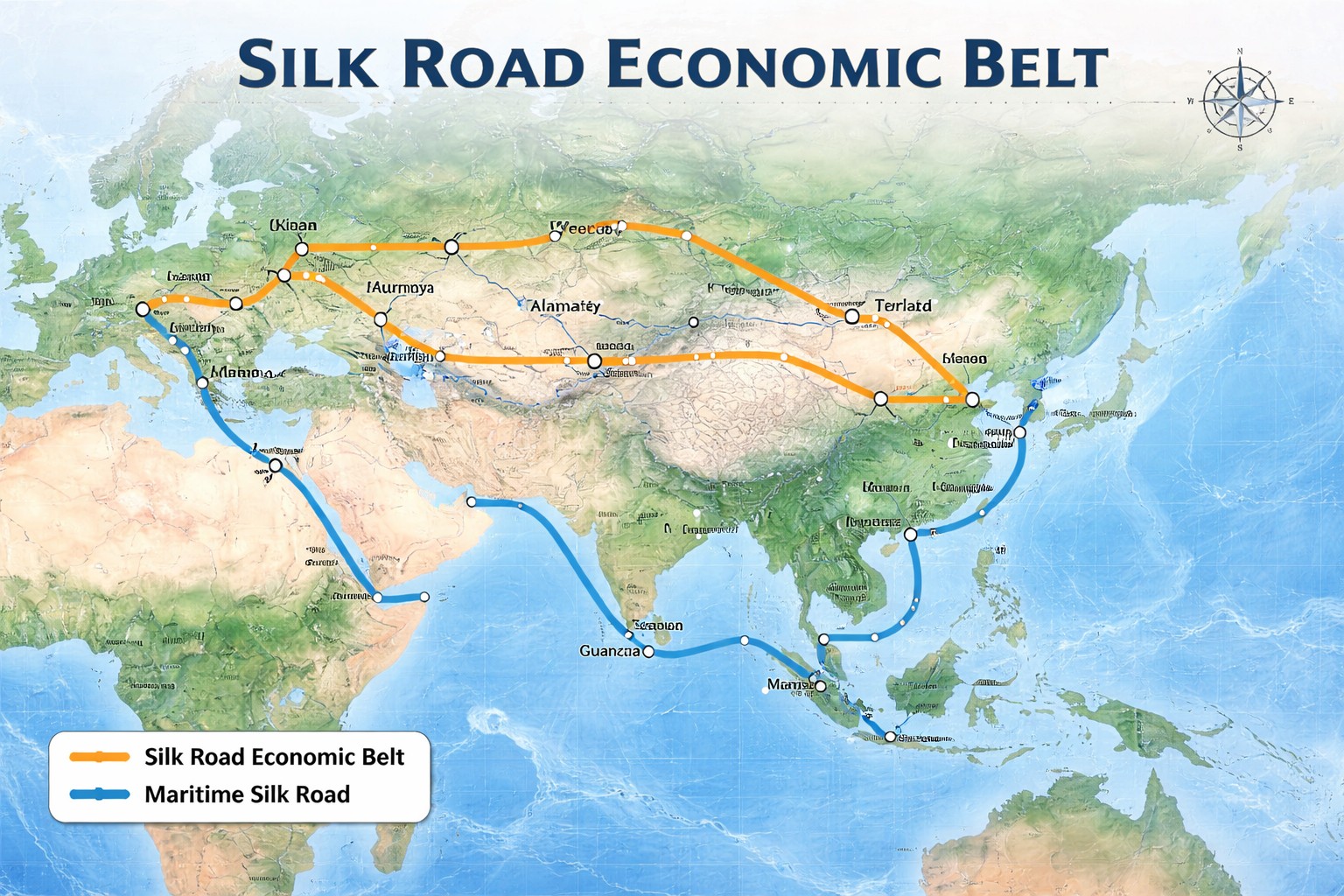
Map overview of Eurasian corridors and trade routes.
Recommended Resources
This page may contain affiliate links. If you buy through these links, we may earn a commission at no extra cost to you.
Logistics & Supply Chain Book
Useful background reading for transport corridors, trade routes, and supply chains.
View ResourceTrade Data Platform
A platform for researching trade flows, customs data, and freight trends.
Open PlatformBusiness Travel Insurance
Optional partner offer for readers traveling across Eurasia for business.
Check Offer