
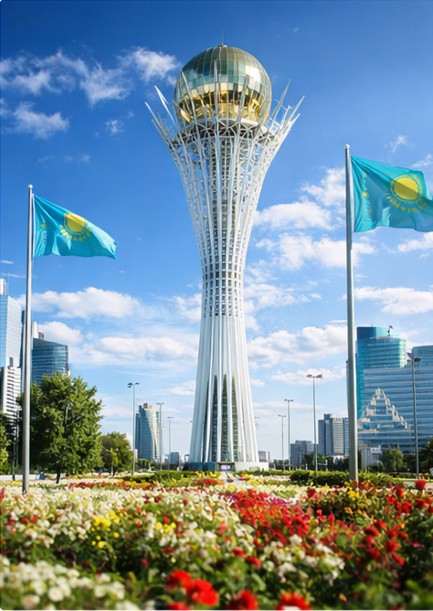





Kazakhstan has positioned itself at the forefront of high-tech investments in Central Asia, aiming to transform its economy through innovation and digital technologies. Despite these advancements, the country grapples with significant challenges in commercializing its burgeoning high-tech sector.
High-Tech Investments on the Rise
In recent years, Kazakhstan has witnessed a notable increase in high-tech investments, particularly in sectors such as information technology, biotechnology, and renewable energy. The government has actively sought to create a favorable environment for investors, implementing various policies that promote innovation and entrepreneurship.
According to reports, the country has allocated substantial funding to support the development of technology parks and innovation hubs. These initiatives are designed to foster collaboration between startups and established businesses, encouraging the growth of a vibrant tech ecosystem.
Part of Kazakhstan's strategy includes attracting foreign direct investment (FDI) to further bolster its high-tech landscape. The government has engaged in efforts to simplify investment processes, reduce bureaucratic hurdles, and offer incentives to foreign companies looking to establish a presence in the region.
Infrastructure Development and Regional Connectivity
Kazakhstan's commitment to high-tech investment is closely tied to its infrastructure development initiatives. The country has made significant strides in improving its logistics and transportation networks, aiming to enhance regional connectivity.
The modernized infrastructure is intended to facilitate the movement of goods and services across borders, linking Central Asia with key markets in Europe and Asia. This connectivity is crucial for high-tech companies seeking to expand their reach and capitalize on regional demand for innovative solutions.
Furthermore, Kazakhstan's participation in the Belt and Road Initiative (BRI) underscores its role as a central player in promoting trade and investment in the region. The BRI aims to enhance economic ties between Asia and Europe, with Kazakhstan positioned as a vital transit hub that can leverage its strategic location.
Challenges in Commercialization
While Kazakhstan's high-tech investments are commendable, the country continues to face obstacles in the commercialization of its innovations. Despite a growing number of startups and research initiatives, many projects struggle to transition from concept to market-ready products.
One significant challenge is the gap between research and practical application. Many high-tech firms in Kazakhstan lack the necessary resources, mentorship, and market knowledge to navigate the commercialization process effectively. This disconnect can hinder the growth of innovative technologies that could benefit various sectors, including agriculture, healthcare, and manufacturing.
Additionally, the local market may not always be receptive to new technologies, which can deter potential investors and entrepreneurs. Building a culture that embraces innovation and fosters consumer acceptance of high-tech solutions is essential for the sustainability of the sector.
Kazakhstan's government acknowledges these hurdles and is working to address them. Efforts to enhance education and training programs are underway, aiming to equip the workforce with relevant skills and knowledge. Strengthening partnerships between academia, industry, and government can also play a vital role in bridging the commercialization gap.
Conclusion
Kazakhstan's leadership in high-tech investment in Central Asia highlights its ambition to diversify its economy and bolster regional competitiveness. While the country has made significant progress in creating an environment conducive to innovation, overcoming the challenges of commercialization will be crucial for the long-term success of its high-tech sector. Continued investment in infrastructure, education, and collaboration will be essential to unlock the full potential of Kazakhstan's technological advancements.
Recommended Resources
This page may contain affiliate links. If you buy through these links, we may earn a commission at no extra cost to you.
Logistics & Supply Chain Book
Useful background reading for transport corridors, trade routes, and supply chains.
View ResourceTrade Data Platform
A platform for researching trade flows, customs data, and freight trends.
Open PlatformBusiness Travel Insurance
Optional partner offer for readers traveling across Eurasia for business.
Check Offer