
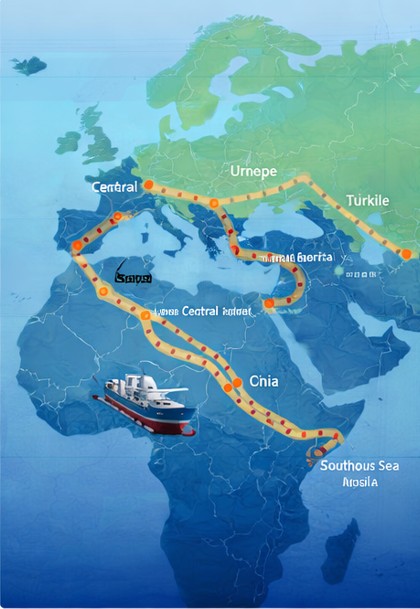





Kazakhstan is emerging as a pivotal player in the landscape of Eurasian trade, particularly through its strategic involvement in the Trans-Caspian Corridor. As the region navigates the complexities of trade logistics and infrastructure development, Kazakhstan's geographic and economic positioning places it at a crucial crossroads.
The Importance of the Trans-Caspian Corridor
The Trans-Caspian Corridor is a vital trade route that connects Central Asia to Europe and other global markets via the Caspian Sea. This corridor facilitates the transport of goods, oil, and gas, linking Kazakhstan with Azerbaijan, Georgia, and Turkey. As countries seek alternative routes to bypass political or logistical challenges, the significance of this corridor continues to grow.
Kazakhstan's commitment to enhancing this corridor is evident through various infrastructure projects aimed at improving connectivity and efficiency. Investments in rail and maritime logistics are critical to ensure that this route can handle the increasing volume of trade. Furthermore, the development of ports along the Caspian Sea is expected to play a significant role in maximizing the corridor's potential.
Infrastructure Development and Investment Opportunities
Kazakhstan has been actively investing in its infrastructure to support the Trans-Caspian Corridor. The government has recognized the need for modern facilities and reliable transport networks to attract foreign investment and increase trade volumes. This includes upgrading existing rail lines and constructing new ones to improve access to ports and border crossings.
Moreover, public-private partnerships are being encouraged to stimulate investment in logistics and transportation sectors. These collaborations aim to leverage both public resources and private expertise to enhance the efficiency and effectiveness of the corridor. As a result, this initiative presents numerous opportunities for stakeholders interested in the burgeoning Eurasian market.
In addition to rail and road improvements, the development of digital infrastructure is also being prioritized. Digitalization of logistics processes can significantly enhance the efficiency of cargo transport, tracking, and customs clearance. By integrating technology into these systems, Kazakhstan is working towards creating a seamless trade experience that benefits all participants in the supply chain.
Regional Cooperation and Challenges Ahead
Kazakhstan's efforts in the Trans-Caspian Corridor are not occurring in isolation. Regional cooperation is essential for the success of this initiative, as it involves multiple countries with varying interests and regulatory environments. Bilateral agreements and multilateral partnerships will be crucial in addressing challenges related to customs procedures, trade tariffs, and logistical bottlenecks.
Additionally, geopolitical dynamics in the region may impact the effectiveness of the corridor. Relations between involved countries can influence trade flows and infrastructure development. Therefore, navigating these complexities will require diplomatic engagement and a commitment to fostering mutual benefits.
Kazakhstan also faces internal challenges, including the need to balance rapid development with environmental sustainability. As infrastructure projects advance, it is essential to consider the ecological impact on the Caspian Sea and surrounding areas. Sustainable practices will not only protect the environment but can also enhance the attractiveness of the corridor to environmentally conscious investors.
In conclusion, Kazakhstan's role in the Trans-Caspian Corridor positions it as a key player in the future of Eurasian trade. By focusing on infrastructure development, fostering regional cooperation, and addressing potential challenges, Kazakhstan aims to strengthen its trade networks and attract investment. As the region continues to evolve, the success of the Trans-Caspian Corridor will largely depend on collaborative efforts and strategic planning among all stakeholders involved.
Silk Road Economic Belt Map
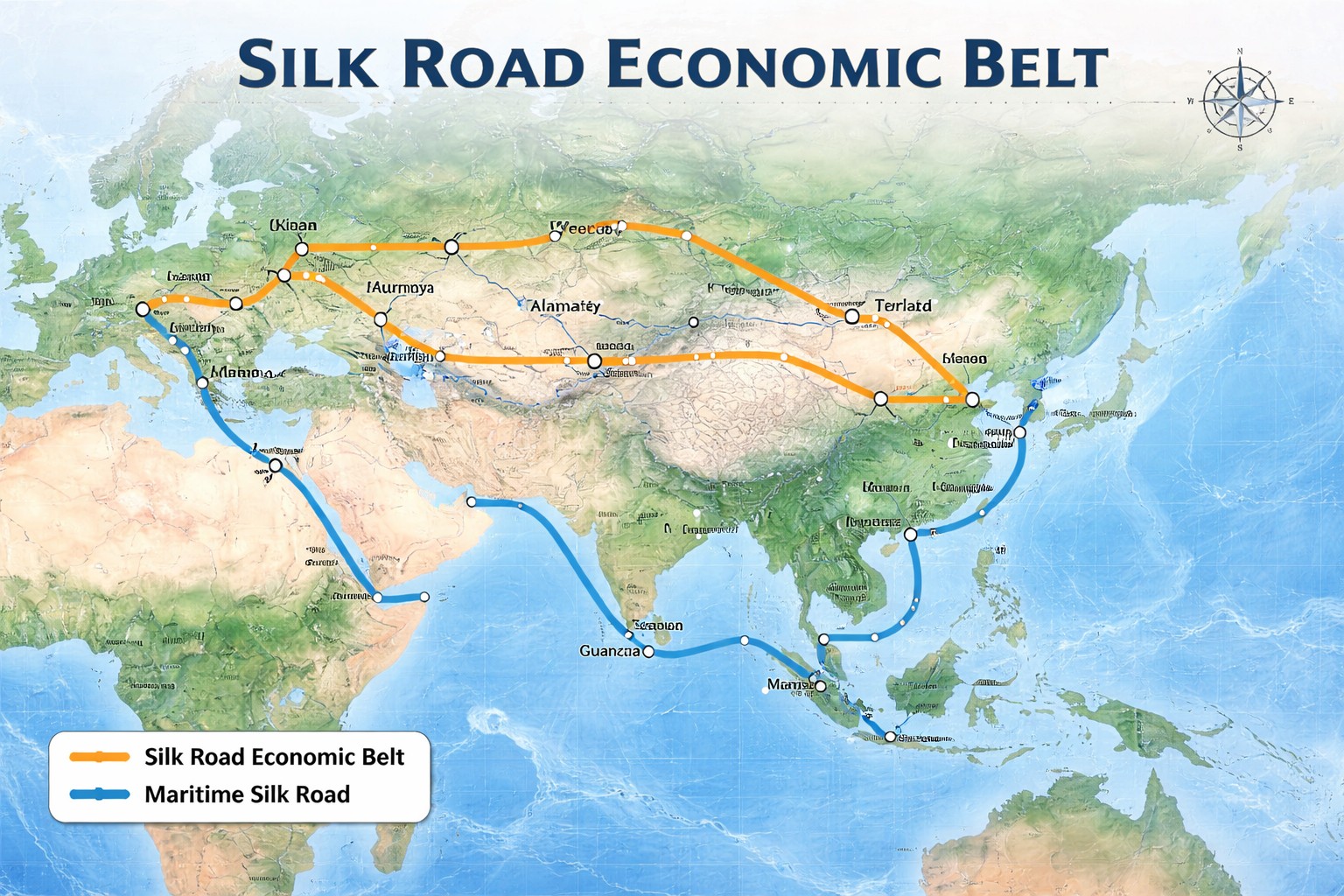
Map overview of Eurasian corridors and trade routes.
Recommended Resources
This page may contain affiliate links. If you buy through these links, we may earn a commission at no extra cost to you.
Logistics & Supply Chain Book
Useful background reading for transport corridors, trade routes, and supply chains.
View ResourceTrade Data Platform
A platform for researching trade flows, customs data, and freight trends.
Open PlatformBusiness Travel Insurance
Optional partner offer for readers traveling across Eurasia for business.
Check Offer