





Kazakhstan and Turkmenistan are increasingly positioning themselves as key players in the evolving energy landscape of Central Asia. With growing interest from various stakeholders, including regional powers and international investors, the potential for a new energy corridor between these two nations is coming into sharper focus. This development could enhance energy trade and logistical capabilities in the region.
Infrastructure Developments
Infrastructure is a critical component in the establishment of an energy corridor between Kazakhstan and Turkmenistan. Both countries have made significant investments in their energy infrastructure in recent years. Kazakhstan, endowed with substantial oil and gas reserves, is modernizing its pipeline networks to improve export capacities. The country is also working on expanding its rail and road networks, which play a crucial role in transporting energy resources to international markets.
Turkmenistan, on the other hand, has been focusing on diversifying its export routes for its gas supplies. The construction of the Turkmenistan-Afghanistan-Pakistan-India (TAPI) pipeline is a key project aimed at connecting Turkmen gas to South Asian markets. Additionally, Turkmenistan is keen to enhance its connectivity with Kazakhstan, which could facilitate the transfer of energy resources and help both countries achieve their economic goals.
The collaboration on infrastructure projects is not limited to oil and gas. Both nations are exploring opportunities in electricity generation and distribution. Joint initiatives to build power lines and improve energy efficiency could further solidify the foundation for a robust energy corridor.
Trade and Economic Implications
The potential energy corridor between Kazakhstan and Turkmenistan could have significant implications for trade and economic relations in Central Asia. As both countries seek to enhance their energy exports, a stronger partnership could lead to increased trade volumes and investment flows. This relationship is particularly vital given the region's reliance on energy resources for economic growth.
Kazakhstan's strategic location makes it a natural transit hub for energy resources moving from Central Asia to Europe and beyond. By fostering closer ties with Turkmenistan, Kazakhstan could augment its role in regional energy dynamics. In turn, Turkmenistan stands to benefit from enhanced access to Kazakhstan's established markets and transportation networks.
Moreover, the emergence of this energy corridor may attract foreign investment, particularly from countries looking to diversify their energy sources. As global energy markets evolve, investors are increasingly interested in regions that offer stable and reliable energy supplies. Kazakhstan and Turkmenistan's collaborative efforts could position them favorably in this changing landscape.
Regional and Global Perspectives
The development of an energy corridor between Kazakhstan and Turkmenistan is not just a bilateral issue; it also has broader regional and global implications. Other Central Asian nations are observing this partnership closely, as it could influence their own energy strategies. Countries like Uzbekistan and Kyrgyzstan may look to align themselves with these developments to enhance their energy security and economic prospects.
Additionally, the geopolitical landscape of Central Asia is shaped by the interests of major powers such as Russia and China. Both nations have vested interests in the region's energy resources and infrastructure. Kazakhstan and Turkmenistan's collaboration could either align with or challenge existing power dynamics, depending on how it evolves.
Furthermore, the ongoing global transition toward renewable energy sources adds another layer of complexity. As both nations explore their energy potential, they may also need to consider sustainable practices and the integration of renewable energy into their portfolios. This could be pivotal in attracting investment from countries and organizations focused on sustainable development.
In conclusion, the potential energy corridor between Kazakhstan and Turkmenistan represents a significant development in Central Asia's energy landscape. With ongoing infrastructure investments and evolving trade dynamics, both nations are poised to enhance their regional roles. As this corridor takes shape, it will be essential for stakeholders to closely monitor its impact on trade, investment, and regional cooperation.
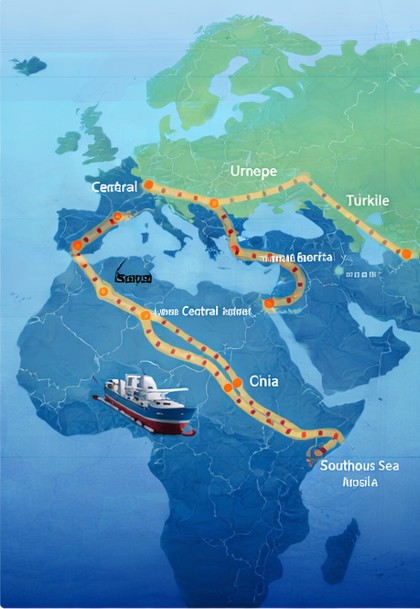
Silk Road Economic Belt Map

Map overview of Eurasian corridors and trade routes.
Recommended Resources
This page may contain affiliate links. If you buy through these links, we may earn a commission at no extra cost to you.
Logistics & Supply Chain Book
Useful background reading for transport corridors, trade routes, and supply chains.
View ResourceTrade Data Platform
A platform for researching trade flows, customs data, and freight trends.
Open PlatformBusiness Travel Insurance
Optional partner offer for readers traveling across Eurasia for business.
Check Offer