





---
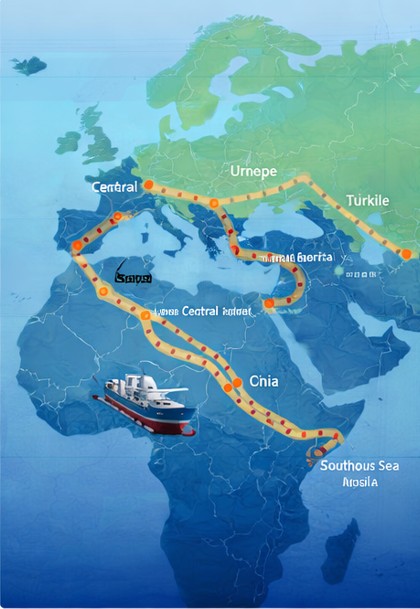
Kazakhstan and Turkmenistan have formalized their commitment to the development of the China-Kazakhstan-Turkmenistan-Iran transport corridor, a strategic initiative aimed at enhancing trade and connectivity among the involved nations. This collaboration is viewed as a significant step toward improving infrastructure and logistics in the Eurasian region.
Strengthening Regional Connectivity
The transport corridor is expected to facilitate the movement of goods and services between China and Iran, passing through Kazakhstan and Turkmenistan. This route is part of a broader strategy to enhance connectivity across Central Asia and the Middle East, thereby supporting economic integration in the region.
Kazakhstan’s Minister of Industry and Infrastructural Development, Kairbek Uskenbayev, highlighted the importance of this corridor during recent discussions with his Turkmen counterpart. The agreement aims to streamline logistics and reduce transit times for cargo, which is vital for the economic growth of both nations.
The collaboration aligns with the Belt and Road Initiative (BRI), China's ambitious project aimed at enhancing global trade routes. By developing this corridor, Kazakhstan and Turkmenistan are positioning themselves as critical transit hubs between Asia and Europe.
Investment Opportunities and Economic Benefits
The development of the transport corridor is expected to attract significant investment in infrastructure projects, including roads, railways, and logistics facilities. Both countries are likely to benefit from increased trade volumes and economic activity as a result of improved transport links.
Economic analysts suggest that the corridor could enhance Kazakhstan's role as a logistics hub, allowing it to capitalize on its geographic location. Turkmenistan, with its access to the Caspian Sea, will also benefit from increased shipping and transportation options that could foster economic diversification.
Furthermore, the corridor may open up new opportunities for businesses in both countries to engage in international trade, providing access to wider markets. The expected improvements in infrastructure could also lead to job creation and enhance overall economic stability in the region.
Challenges Ahead
Despite the potential benefits, the development of the China-Kazakhstan-Turkmenistan-Iran transport corridor is not without challenges. Geopolitical factors, regulatory hurdles, and the need for substantial investment financing could pose significant obstacles to the project's progress.
Additionally, both Kazakhstan and Turkmenistan must navigate their relationships with neighboring countries and international partners to ensure the corridor's success. Ensuring compliance with international standards and regulations will be crucial for attracting foreign investment and facilitating smooth trade operations.
Both governments will need to work collaboratively to address these challenges while maintaining a focus on long-term goals for regional development and economic growth.
In conclusion, the agreement between Kazakhstan and Turkmenistan to develop the China-Kazakhstan-Turkmenistan-Iran transport corridor marks a significant step in enhancing trade connectivity in the region. While there are challenges to overcome, the potential economic benefits and investment opportunities present a promising outlook for the future of this vital transport route.
Silk Road Economic Belt Map
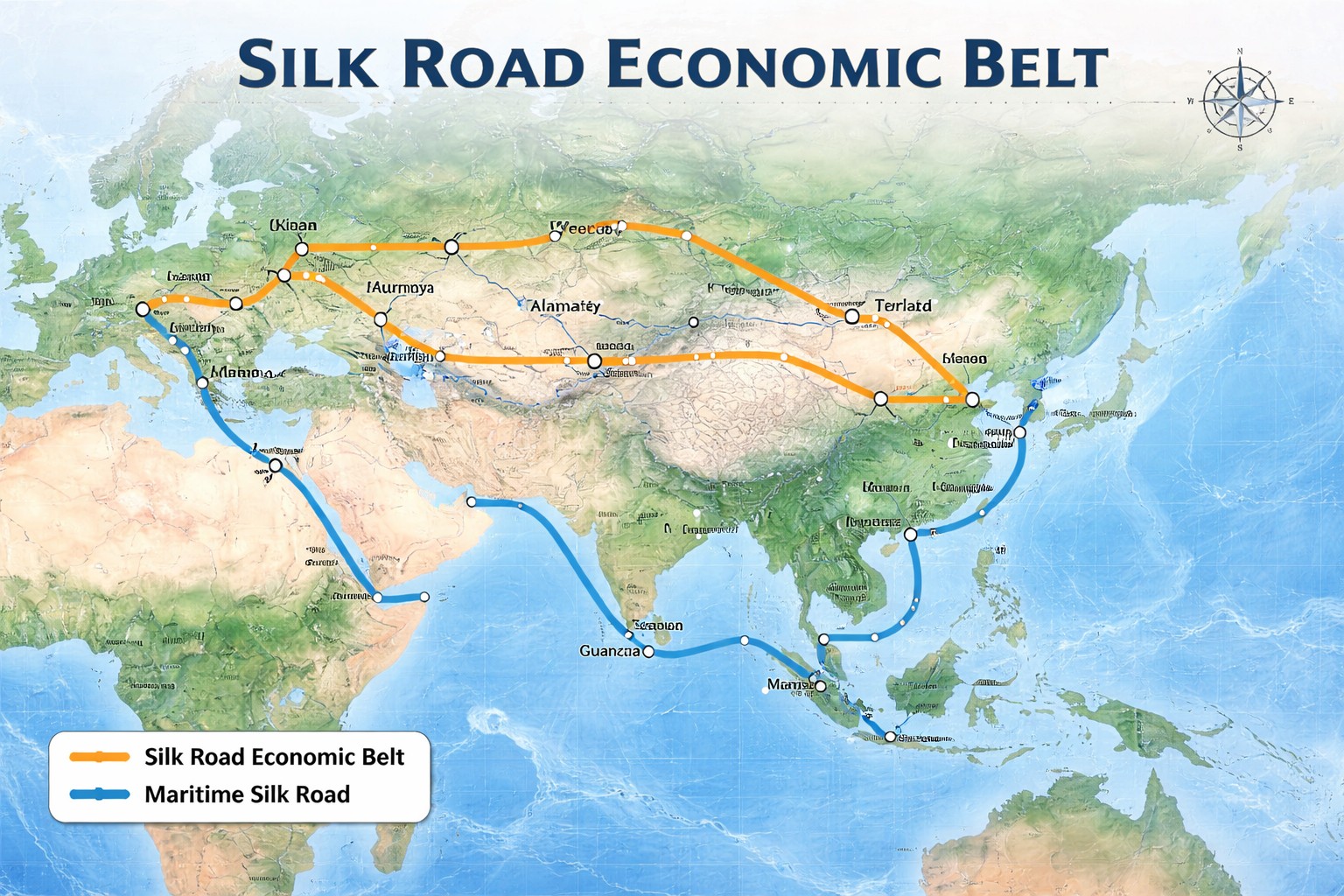
Map overview of Eurasian corridors and trade routes.
Recommended Resources
This page may contain affiliate links. If you buy through these links, we may earn a commission at no extra cost to you.
Logistics & Supply Chain Book
Useful background reading for transport corridors, trade routes, and supply chains.
View ResourceTrade Data Platform
A platform for researching trade flows, customs data, and freight trends.
Open PlatformBusiness Travel Insurance
Optional partner offer for readers traveling across Eurasia for business.
Check Offer