





---
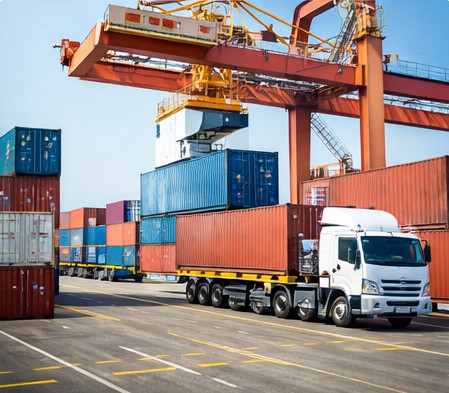
Kazakhstan and Georgia are taking significant steps to enhance their logistical collaboration, aiming to boost the competitiveness of the Middle Corridor—a critical trade route linking Europe and Asia. Recent agreements between the two nations indicate a shared commitment to developing infrastructure and streamlining trade processes.
Strategic Importance of the Middle Corridor
The Middle Corridor, part of China's Belt and Road Initiative, serves as an essential link for trade between Asia and Europe. It traverses Kazakhstan, the Caspian Sea, and Georgia before reaching European markets. This route has gained prominence as global supply chains seek alternative pathways amid geopolitical tensions and disruptions in traditional shipping lanes.
Kazakhstan's geographical position makes it a pivotal player in this corridor. The country has been proactive in enhancing its transit capabilities, including investments in rail and road networks. Similarly, Georgia's strategic access to the Black Sea allows for more efficient maritime connections to Europe.
Both countries recognize that their cooperation can significantly improve the speed and reliability of goods transport across this route. By working together, they aim to attract more cargo traffic and provide a seamless transit experience for traders and investors.
Recent Agreements to Enhance Logistics
In a recent development, officials from Kazakhstan and Georgia signed a series of agreements designed to deepen their logistics ties. These agreements focus on creating a more integrated transport network that can facilitate the movement of goods across borders.
Key components of the agreements include joint investments in infrastructure projects, the establishment of customs cooperation, and the implementation of digital technologies to optimize logistics processes. By streamlining customs procedures and enhancing information sharing, both countries hope to minimize delays and reduce costs for businesses utilizing the Middle Corridor.
The logistics sector in both nations stands to benefit from these improvements. With enhanced infrastructure and operational efficiencies, Kazakhstan and Georgia aim to position themselves as leading transit hubs in Eurasia.
Future Outlook for Eurasian Trade
The collaboration between Kazakhstan and Georgia reflects a broader trend of increasing logistical cooperation among countries along the Middle Corridor. As global trade patterns evolve, there is a growing recognition of the importance of developing efficient supply chains that can adapt to changing market demands.
Both nations are also looking to attract foreign investment to bolster their logistics capabilities. By enhancing their infrastructure, they can create a more favorable environment for international businesses seeking to access the growing markets of Central Asia and Europe.
While challenges remain, such as geopolitical uncertainties and the need for ongoing investment in infrastructure, the commitment from Kazakhstan and Georgia to work together signals a positive outlook for the future of trade in the region. The potential for increased cargo traffic through the Middle Corridor could provide a significant economic boost for both countries.
In conclusion, the deepening logistical ties between Kazakhstan and Georgia represent a strategic move to enhance the competitiveness of the Middle Corridor. By investing in infrastructure and fostering collaboration, both nations are positioning themselves as critical players in the evolving landscape of Eurasian trade.
Silk Road Economic Belt Map
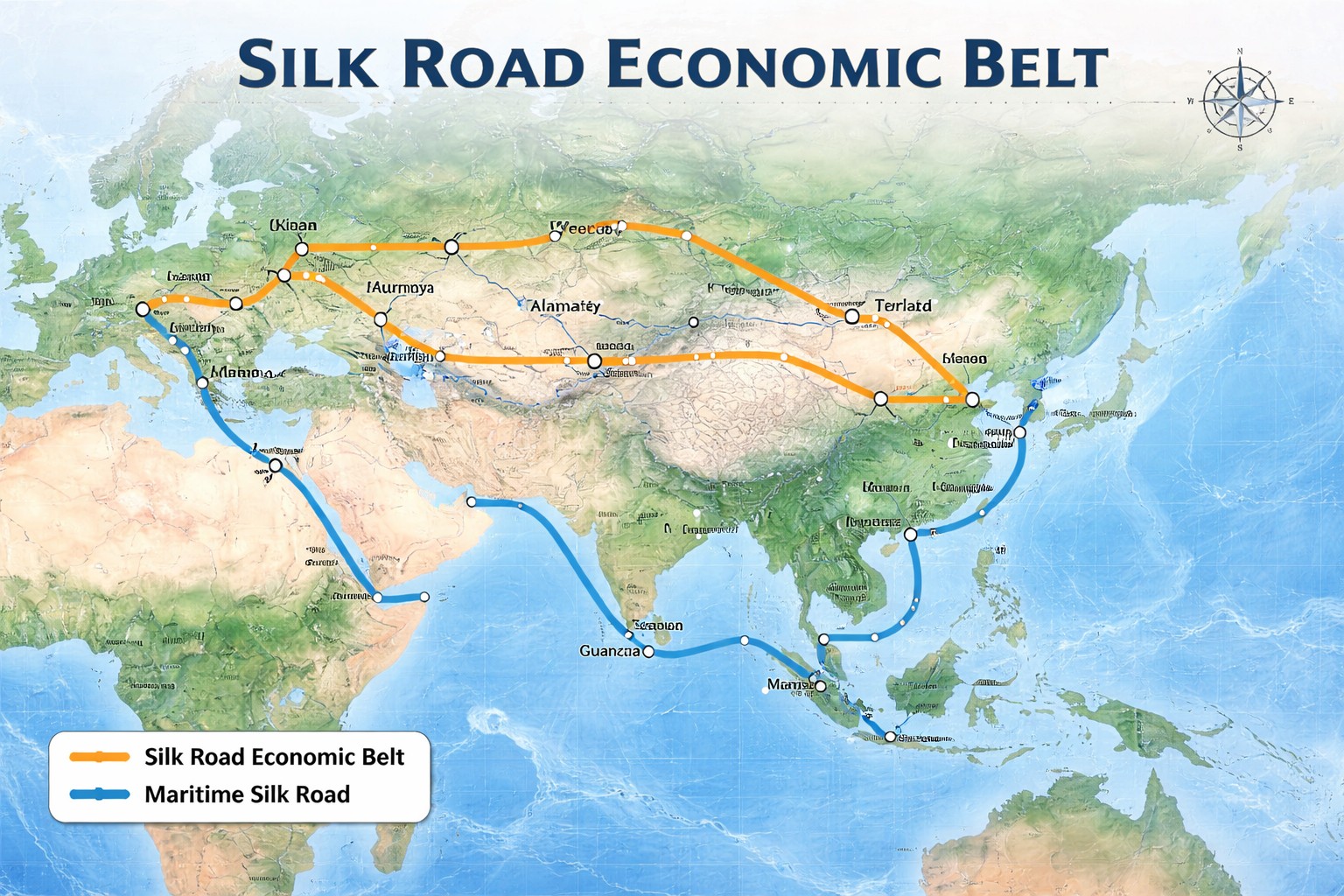
Map overview of Eurasian corridors and trade routes.
Recommended Resources
This page may contain affiliate links. If you buy through these links, we may earn a commission at no extra cost to you.
Logistics & Supply Chain Book
Useful background reading for transport corridors, trade routes, and supply chains.
View ResourceTrade Data Platform
A platform for researching trade flows, customs data, and freight trends.
Open PlatformBusiness Travel Insurance
Optional partner offer for readers traveling across Eurasia for business.
Check Offer