





Strengthening Regional Connectivity
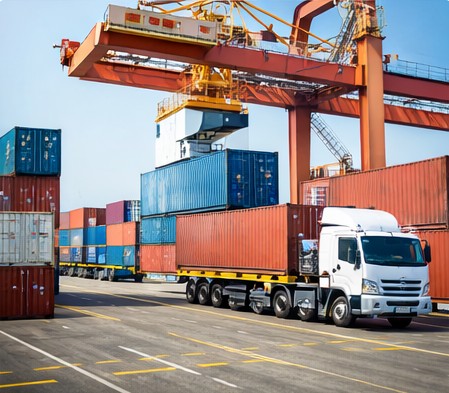
Kazakhstan and Georgia are taking steps to enhance their logistics cooperation through the Trans-Caspian Route, a key trade corridor connecting Central Asia and Europe. This initiative is part of a broader effort to improve infrastructure and logistics capabilities in the region, facilitating smoother trade flows and enhancing economic ties between the two nations.
The Trans-Caspian Route has been recognized as a vital link in the Silk Road Economic Belt, which aims to promote connectivity and trade between Asia and Europe. By collaborating on logistics, Kazakhstan and Georgia seek to streamline transportation processes, reduce transit times, and lower costs for businesses operating within this corridor.
Kazakhstan, with its vast land resources and strategic location, plays a significant role in facilitating trade with both European and Asian markets. Georgia, situated at the crossroads of Europe and Asia, offers a gateway to the Black Sea and further connections to Europe. Together, these countries aim to leverage their geographical advantages to create a more integrated logistics framework.
Opportunities for Trade and Investment
The strengthening of logistics ties is expected to unlock various opportunities for trade and investment. Both countries are keen on attracting foreign investors and enhancing their roles as logistics hubs in the region. Improved infrastructure along the Trans-Caspian Route could lead to increased cargo volumes and more efficient supply chains.
Kazakhstan has been investing significantly in its transport and logistics infrastructure, including the development of railways, highways, and ports. The country’s government is actively working to enhance its logistics capabilities as part of its broader economic diversification strategy. Meanwhile, Georgia has been focusing on modernizing its ports and expanding its railway network to accommodate growing trade demands.
The collaboration between Kazakhstan and Georgia may also pave the way for new partnerships with other countries along the route. By establishing a more efficient logistics network, they aim to attract businesses looking to expand their reach into the Eurasian market.
Future Prospects and Challenges
While the prospects for enhanced logistics cooperation are promising, several challenges remain. Both countries must navigate complex regulatory environments and ensure that their infrastructure developments align with international standards. Additionally, geopolitical factors in the region could impact trade dynamics and logistics operations.
Efforts to improve the Trans-Caspian Route are also contingent on the successful integration of various transportation modes, including rail, road, and maritime services. Ensuring seamless connectivity is crucial for maximizing the route's potential as a trade corridor.
As Kazakhstan and Georgia work together to strengthen their logistics ties, ongoing dialogue and collaboration with other stakeholders will be essential. Engaging with businesses, regional partners, and international organizations can help address challenges and identify opportunities for growth.
In conclusion, the collaboration between Kazakhstan and Georgia to enhance logistics via the Trans-Caspian Route represents a significant step toward improving regional trade connectivity. With ongoing investments in infrastructure and a focus on fostering partnerships, both countries aim to solidify their positions as key players in Eurasian trade.
Silk Road Economic Belt Map

Map overview of Eurasian corridors and trade routes.
Recommended Resources
This page may contain affiliate links. If you buy through these links, we may earn a commission at no extra cost to you.
Logistics & Supply Chain Book
Useful background reading for transport corridors, trade routes, and supply chains.
View ResourceTrade Data Platform
A platform for researching trade flows, customs data, and freight trends.
Open PlatformBusiness Travel Insurance
Optional partner offer for readers traveling across Eurasia for business.
Check Offer