
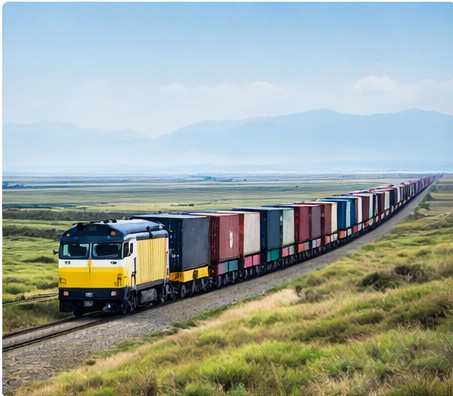
Kazakhstan and China have recently signed an agreement aimed at bolstering rail trade, particularly through the Middle Corridor, which is a key component of the broader Belt and Road Initiative (BRI). This strategic partnership is expected to enhance logistics and infrastructure connectivity between the two nations, facilitating smoother trade routes across Eurasia.
Strengthening the Middle Corridor
The Middle Corridor, which links China to Europe through Kazakhstan and other Central Asian countries, is increasingly seen as a vital trade route. It provides an alternative to traditional shipping lanes, particularly amid growing global trade tensions and logistical challenges.
The agreement between Kazakhstan and China underscores the importance of rail transport in enhancing trade efficiency. As the two countries continue to develop their respective rail networks, the focus will be on improving connectivity and reducing transit times for goods traveling between Asia and Europe.
Kazakhstan’s geographical position as a land bridge between China and Europe positions it as a critical player in the success of the Middle Corridor. The recent agreement aims to capitalize on this strategic advantage by enhancing rail infrastructure and coordinating customs procedures to facilitate smoother operations.
Investments in Infrastructure
To support the increased rail traffic anticipated from this agreement, both governments are expected to invest significantly in infrastructure improvements. This includes upgrading existing rail lines, expanding capacity at key logistics hubs, and enhancing border crossing facilities.
Kazakhstan’s government has been proactive in developing its rail infrastructure, with a focus on creating a seamless transport network that can accommodate higher volumes of trade. Investments in modern logistics centers and facilities are also part of the plan, which will help streamline operations and reduce bottlenecks.
China, in turn, has shown interest in investing in Kazakhstan’s rail sector, recognizing the potential for increased trade flows. The collaboration is expected to involve joint ventures and partnerships that will leverage the strengths of both countries in infrastructure development.
Impact on Trade Dynamics
The enhanced rail trade agreement is likely to have significant implications for the trade dynamics in the region. By facilitating more efficient transport of goods, the agreement aims to support the economic growth of both Kazakhstan and China.
For Kazakhstan, increased rail trade with China could lead to greater access to Chinese markets, allowing local producers to export their goods more effectively. This access is particularly important for Kazakhstan's agricultural and mineral sectors, which are key components of its economy.
China, on the other hand, benefits from a more streamlined route for its exports to Europe, diversifying its logistics options. The Middle Corridor offers a faster alternative compared to traditional maritime routes, particularly for time-sensitive goods.
Both countries are keenly aware of the potential to foster stronger economic ties through this agreement. While the focus is on the immediate benefits of enhanced rail connectivity, the long-term implications could pave the way for deeper economic cooperation in various sectors.
In conclusion, the recent agreement between Kazakhstan and China represents a strategic move to enhance rail trade through the Middle Corridor. By investing in infrastructure and improving logistics, both nations are positioning themselves to capitalize on the growing demand for efficient trade routes across Eurasia. As the global trade landscape continues to evolve, this partnership may serve as a model for future collaborations in the region.
Silk Road Economic Belt Map
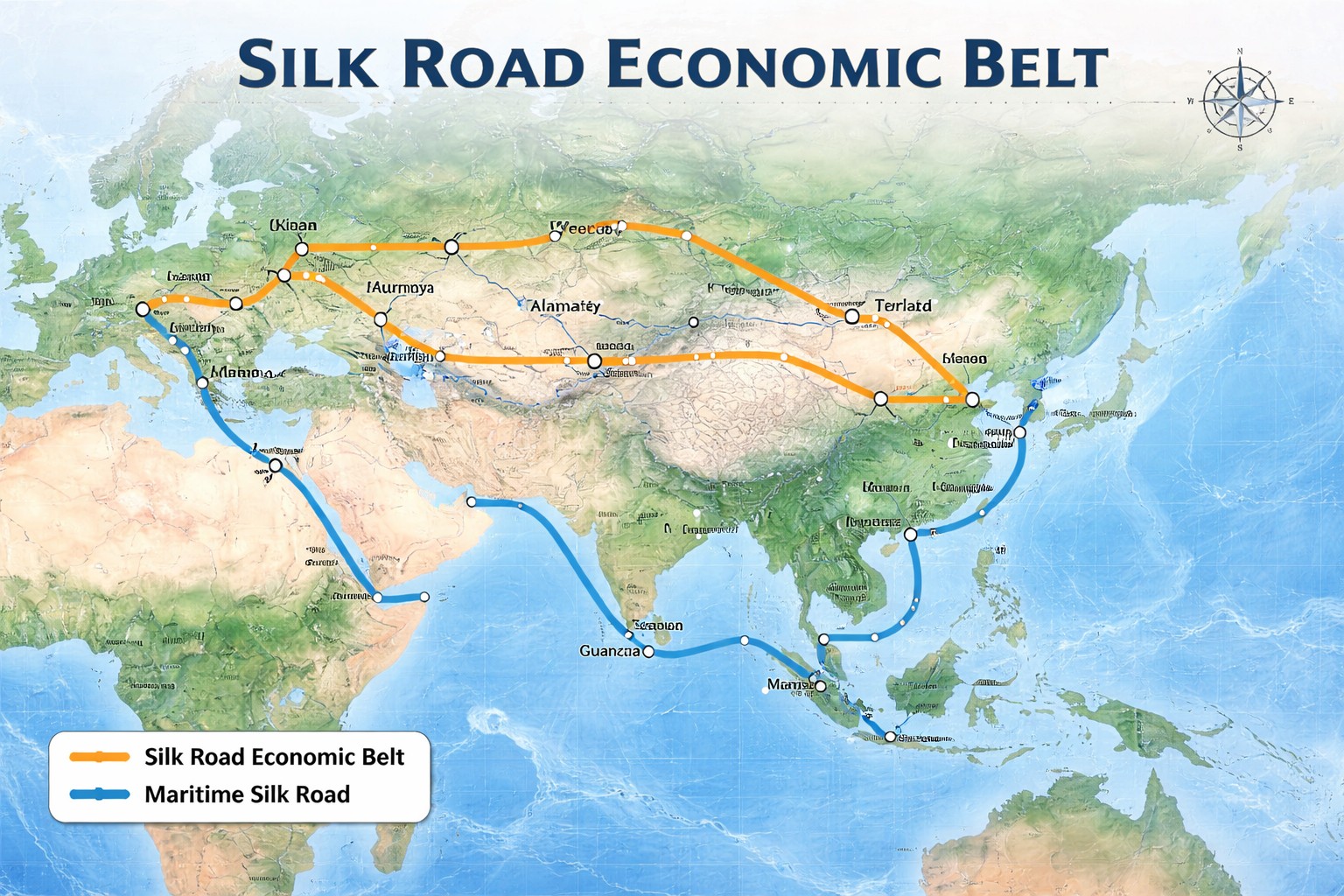
Map overview of Eurasian corridors and trade routes.
Recommended Resources
This page may contain affiliate links. If you buy through these links, we may earn a commission at no extra cost to you.
Logistics & Supply Chain Book
Useful background reading for transport corridors, trade routes, and supply chains.
View ResourceTrade Data Platform
A platform for researching trade flows, customs data, and freight trends.
Open PlatformBusiness Travel Insurance
Optional partner offer for readers traveling across Eurasia for business.
Check Offer