
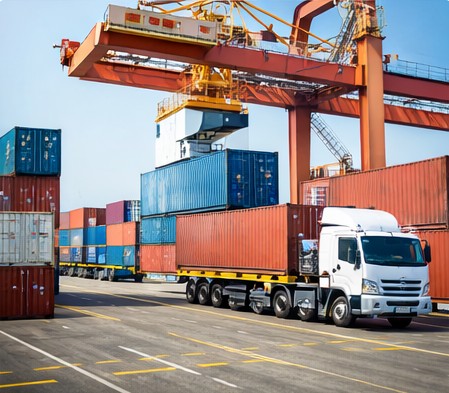





Kazakhstan is making significant strides towards becoming a central logistics hub in the Eurasian region, according to President Kassym-Jomart Tokayev. During a recent address, Tokayev outlined a comprehensive vision aimed at bolstering the country’s infrastructure and logistics capabilities to facilitate enhanced trade connectivity between Asia and Europe.
Infrastructure Development as a Priority
Tokayev highlighted the necessity of upgrading Kazakhstan’s transport infrastructure to meet the growing demands of international trade. He underscored the importance of modernizing existing routes and constructing new ones to improve the efficiency of goods movement throughout the country. This effort is seen as crucial for Kazakhstan to capitalize on its strategic geographical position, which links major markets in both Asia and Europe.
The President noted that enhancing logistics infrastructure will not only benefit Kazakhstan but also neighboring countries that are part of the wider Silk Road Economic Belt initiative. Improved transport routes and logistics services are expected to facilitate smoother trade flows and reduce transit times, which could significantly enhance regional economic cooperation.
Kazakhstan's government has already initiated several infrastructure projects aimed at modernizing its transport system. These include the expansion of rail networks and the development of logistics centers that can accommodate the increasing volume of goods passing through the country. The aim is to create a more integrated transport network that connects Kazakhstan with key international trade corridors.
Strategic Investments and Partnerships
To realize this ambitious vision, Tokayev emphasized the importance of attracting foreign investment and forging strategic partnerships with other countries. He encouraged collaboration with international logistics companies and investors who can bring expertise and resources to help develop Kazakhstan’s logistics sector.
The government is actively seeking to create a favorable investment climate to encourage both domestic and foreign entities to participate in logistics development. This includes simplifying regulatory processes, providing incentives for infrastructure projects, and establishing public-private partnerships that can leverage both state and private sector funding.
Tokayev also pointed to the potential benefits of Kazakhstan’s participation in regional trade agreements, which could further enhance its logistics capabilities. By engaging in trade partnerships, Kazakhstan aims to position itself as a pivotal player in the Eurasian trade landscape, facilitating not only the movement of goods but also the exchange of ideas and technologies.
Bridging East and West
Kazakhstan’s strategic location has long been recognized as an advantage for its logistics aspirations. The country serves as a natural bridge between the East and West, making it a vital component of the Belt and Road Initiative (BRI). This initiative aims to enhance connectivity and cooperation among countries across Asia and Europe through improved infrastructure.
The development of logistics capabilities is seen as a key factor in supporting Kazakhstan’s economic diversification efforts. By investing in logistics and trade infrastructure, the government aims to reduce the country's reliance on traditional sectors such as oil and gas, creating new opportunities for growth in the logistics and transport industries.
The President’s vision not only aims to elevate Kazakhstan’s position in the global economy but also to contribute to regional stability and cooperation. As logistics capabilities improve, it is expected that trade relationships with neighboring countries will strengthen, fostering a more integrated and resilient regional economy.
In conclusion, Kazakhstan's commitment to becoming a leading logistics hub in Eurasia reflects its strategic vision for economic growth and regional cooperation. With a focus on infrastructure development, investment attraction, and leveraging its geographic advantages, the country aims to enhance its role in the global trade landscape while fostering a more interconnected Eurasian economy.
Recommended Resources
This page may contain affiliate links. If you buy through these links, we may earn a commission at no extra cost to you.
Logistics & Supply Chain Book
Useful background reading for transport corridors, trade routes, and supply chains.
View ResourceTrade Data Platform
A platform for researching trade flows, customs data, and freight trends.
Open PlatformBusiness Travel Insurance
Optional partner offer for readers traveling across Eurasia for business.
Check Offer