





---
The recent escalation of conflict in Iran has cast a spotlight on the vulnerabilities of Central Asia’s southern trade corridors. As geopolitical tensions rise, the implications for trade, infrastructure, and investment in this strategically significant region are becoming increasingly apparent.
Impact on Trade Routes
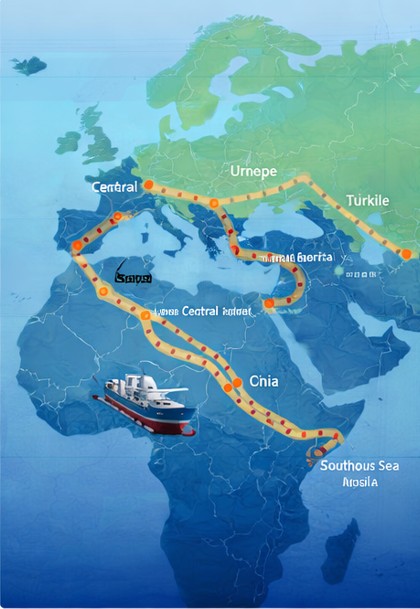
Central Asia has long relied on its southern corridors for trade with Iran and beyond. These routes serve as vital links for the transportation of goods between Asia and Europe. However, the ongoing war in Iran has raised alarms regarding the safety and efficiency of these trade paths.
The instability resulting from the conflict can disrupt logistics and create uncertainties for businesses operating in the region. Companies that depend on these routes may need to reevaluate their supply chains and consider alternative pathways. This shift could lead to increased transportation costs and delays in the delivery of goods.
Moreover, with the potential for sanctions and restrictions, traders may find themselves navigating a complex landscape of regulatory challenges. This situation necessitates careful risk assessment for businesses involved in cross-border trade.
Infrastructure Challenges
The infrastructure supporting trade in Central Asia is also under scrutiny amid the current geopolitical climate. Many of the southern corridors are characterized by aging transport networks and insufficient logistics facilities. This lack of robust infrastructure compounds the difficulties posed by the conflict in Iran.
Countries in Central Asia must prioritize investment in their transport and logistics infrastructure to ensure resilience against external shocks. Upgrading roads, railways, and border facilities could enhance the efficiency of trade operations. Furthermore, improving connectivity with Iran and other neighboring countries could mitigate some of the impacts of the ongoing conflict.
Regional cooperation becomes crucial in addressing these infrastructure challenges. Collaborative initiatives can lead to shared investments and the development of more reliable trade routes. However, political tensions and differing national interests may hinder such cooperation.
Investment Opportunities and Risks
The conflict in Iran presents both risks and opportunities for investors in Central Asia. On one hand, the instability could deter foreign direct investment (FDI) as businesses reassess their exposure to the region. Investors may seek safer alternatives, leading to reduced capital inflow.
On the other hand, the situation could prompt a reevaluation of investment strategies. As countries in Central Asia strive to diversify their trade partnerships, there may be new opportunities for investment in logistics and infrastructure. Governments could prioritize projects that enhance regional connectivity and resilience, potentially attracting investment from countries seeking to strengthen their economic ties to Central Asia.
In light of these developments, it is essential for stakeholders to remain vigilant and adapt to the shifting landscape. Businesses and governments alike must navigate the complexities of the situation while seeking to bolster their trade capabilities.
Conclusion
The ongoing conflict in Iran has highlighted the fragile nature of Central Asia’s southern trade corridors. As the region grapples with the repercussions of geopolitical tensions, the need for resilient infrastructure and adaptive strategies becomes increasingly critical. While challenges abound, there are also opportunities for investment and collaboration that could shape the future of trade in Central Asia. Stakeholders must remain proactive in addressing these vulnerabilities to ensure sustainable economic growth in the region.
Silk Road Economic Belt Map
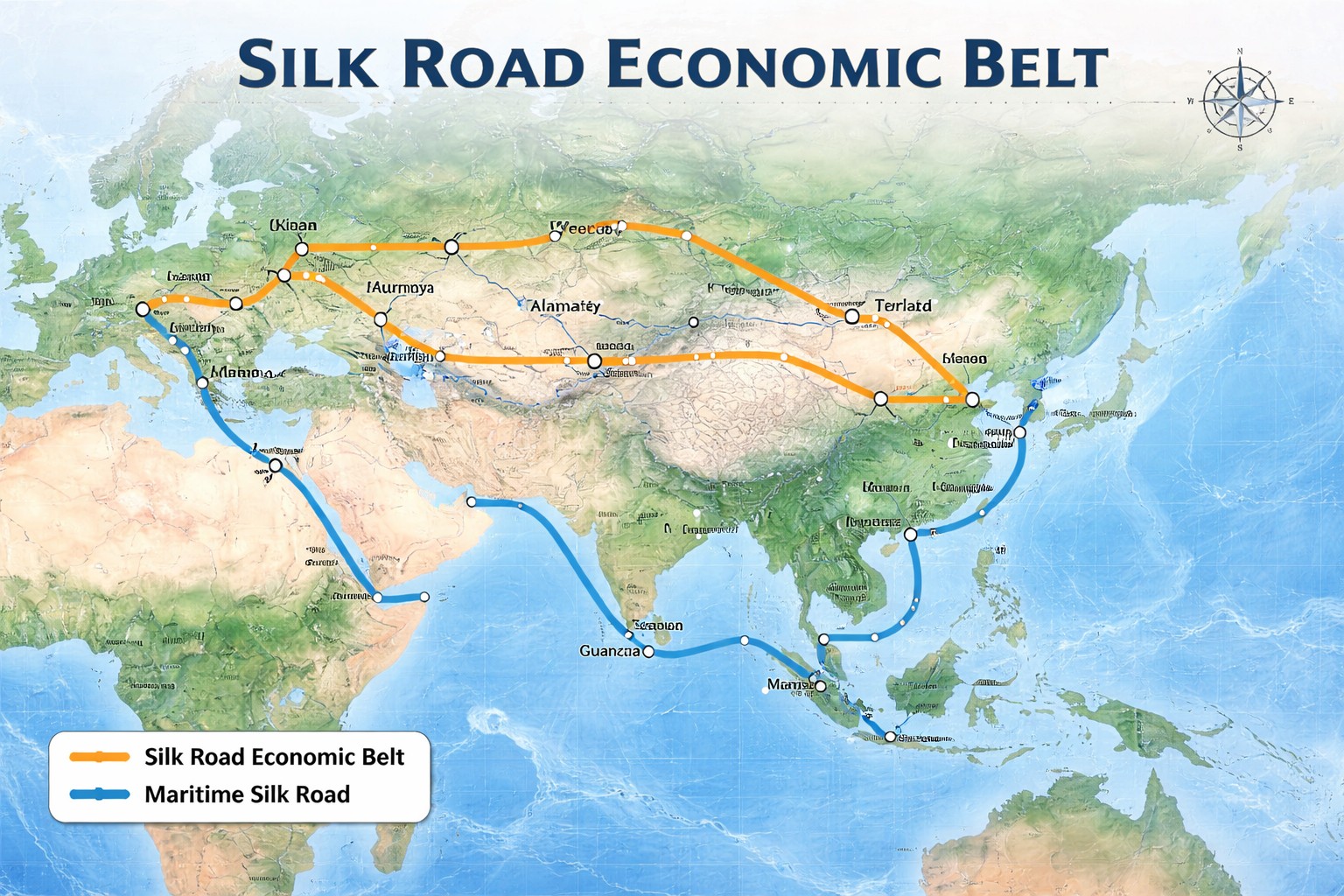
Map overview of Eurasian corridors and trade routes.
Recommended Resources
This page may contain affiliate links. If you buy through these links, we may earn a commission at no extra cost to you.
Logistics & Supply Chain Book
Useful background reading for transport corridors, trade routes, and supply chains.
View ResourceTrade Data Platform
A platform for researching trade flows, customs data, and freight trends.
Open PlatformBusiness Travel Insurance
Optional partner offer for readers traveling across Eurasia for business.
Check Offer