Hungary and China Finalize Loan Agreement for Budapest-Belgrade Rail Project – Eurasia Logistics & Silk Road News
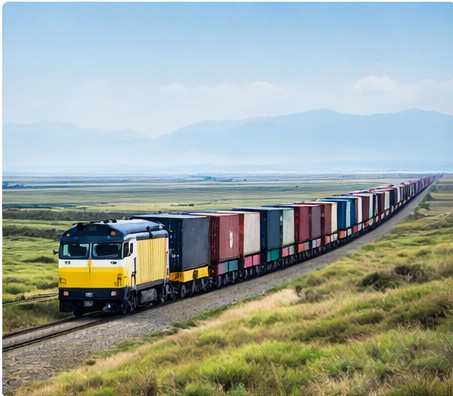
The government of Hungary has officially signed a loan agreement with China to support the construction of a vital railway link between Budapest and Belgrade. This project is part of a broader initiative to enhance infrastructure and logistics across Eurasia, aligning with China's Belt and Road Initiative (BRI).
Loan Agreement Details
The loan deal, finalized in recent days, is aimed at financing a significant portion of the Budapest-Belgrade railway project. This railway connection is expected to play a crucial role in improving trade and passenger transport between Hungary and Serbia, two countries positioned strategically along key trade routes in Europe.
The Hungarian government has expressed optimism about the project, stating that it will not only bolster economic ties between Hungary and China but also serve as a catalyst for regional economic development. The railway is projected to reduce travel time between the two capitals considerably, fostering greater connectivity across the Balkans and Central Europe.
Chinese investment in infrastructure projects in Hungary has been growing, with this loan agreement marking another step in bilateral cooperation. The Hungarian government has welcomed Chinese capital and expertise, viewing it as a means to revitalize its aging infrastructure and promote economic growth.
Strategic Importance of the Railway
The Budapest-Belgrade railway line is a significant element of a larger vision aimed at enhancing connectivity across the region. By linking Hungary and Serbia more effectively, the railway is anticipated to facilitate increased trade flows, benefiting not just the two countries but also the wider European market.
Transportation experts have noted that the railway could potentially reduce logistical costs and transit times for goods moving between Asia and Europe. By connecting key points of trade, this project aligns with the goals of the Belt and Road Initiative, which seeks to create a modern Silk Road through improved infrastructure and trade networks.
This development comes at a time when many countries are looking to strengthen their infrastructure to meet the demands of a globalized economy. The railway project is also expected to create jobs and stimulate local economies along its route, providing a much-needed boost in a post-pandemic environment.
Challenges and Considerations
While the loan agreement marks a positive step forward, challenges remain. Concerns about the environmental impact of such large-scale infrastructure projects are prevalent. Stakeholders will need to address these issues carefully to ensure sustainable development practices are followed throughout the construction and operation phases of the railway.
Additionally, the geopolitical context surrounding China's investments in Europe continues to evolve. Some European nations have expressed caution regarding reliance on Chinese funding, citing concerns about debt sustainability and the implications for national sovereignty. Hungary’s relationship with China is viewed through a complex lens, balancing economic benefits with potential political ramifications.
As the Budapest-Belgrade railway project progresses, it will be essential for both Hungary and China to navigate these challenges effectively. Maintaining transparency and fostering local community involvement will be vital to the project's long-term success and acceptance.
In conclusion, the recent loan agreement between Hungary and China represents a significant advancement in the Budapest-Belgrade railway project, highlighting the importance of infrastructure development in enhancing trade connectivity across Eurasia. As both countries move forward, careful consideration of the associated challenges will be crucial to ensure that this ambitious project achieves its intended economic and social benefits.