
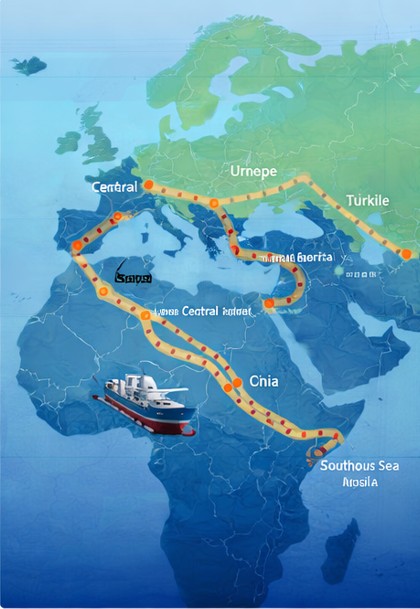





The geopolitical tensions surrounding the Strait of Hormuz have prompted a reevaluation of trade routes in Eurasia, particularly emphasizing the Middle Corridor. This route, which traverses parts of Central Asia, the South Caucasus, and Turkey, has seen increasing activity as businesses and governments seek alternatives amid the uncertainties in the Gulf region.
Impact of the Hormuz Crisis on Trade Routes
The Strait of Hormuz is a critical chokepoint for global oil shipments, with approximately 20% of the world's oil passing through this narrow passage. Recent escalations in regional hostilities have raised alarms about the security of maritime trade in this area. As a result, companies and nations reliant on these shipping lanes are now exploring alternate pathways to ensure the continuity of their supply chains.
Consequently, the Middle Corridor, which connects China to Europe via rail and road through Kazakhstan, Azerbaijan, and Turkey, has gained renewed attention. This route offers a significant logistical advantage, providing a more stable and secure alternative to maritime shipping through the Strait of Hormuz. The increased traffic along the Middle Corridor indicates a shift in trade dynamics, directed by both necessity and strategic foresight.
Infrastructure Developments Along the Middle Corridor
Investment in infrastructure has been a key focus for countries along the Middle Corridor. The establishment of rail links and improved road networks aims to enhance the efficiency of this trade route, catering to the rising demand from businesses looking for reliable transport options. Notable projects include the Baku-Tbilisi-Kars railway, which has significantly reduced the transit time for goods moving between Asia and Europe.
Additionally, logistics hubs are being developed in strategic locations to facilitate smoother cargo handling and distribution. The increased investment is not only expected to bolster trade but also to create jobs and stimulate economic growth in the region. These infrastructure projects are crucial for meeting the growing need for diversified supply chains, especially in light of the recent geopolitical developments.
Economic Opportunities and Challenges
While the Middle Corridor presents numerous economic opportunities, it is not without its challenges. The route's success hinges on the cooperation of the countries involved, which requires diplomacy and collaboration on various fronts. Political stability in the region is essential for sustained investment and trade flow. Furthermore, the Middle Corridor must compete with established maritime routes, which have their own logistical advantages and cost efficiencies.
As businesses pivot towards the Middle Corridor, there is an urgent need for regulatory harmonization and customs facilitation. Streamlining these processes will be vital for maintaining competitiveness against traditional shipping routes. Additionally, ensuring the safety and security of goods in transit remains a priority, as uncertainties in the region could impact the overall attractiveness of the Middle Corridor.
The evolving landscape of global trade, influenced by the Hormuz Crisis, highlights the necessity for countries in the region to adapt and innovate. By leveraging the potential of the Middle Corridor, Eurasian nations can enhance their economic resilience and improve their standing in the global marketplace.
In conclusion, the ongoing crisis in the Strait of Hormuz has catalyzed a significant shift towards the Middle Corridor, underscoring the need for robust infrastructure and cooperative trade policies. As nations navigate these challenges, the Middle Corridor could emerge as a vital artery for international trade, reshaping the logistics landscape in Eurasia.
Silk Road Economic Belt Map
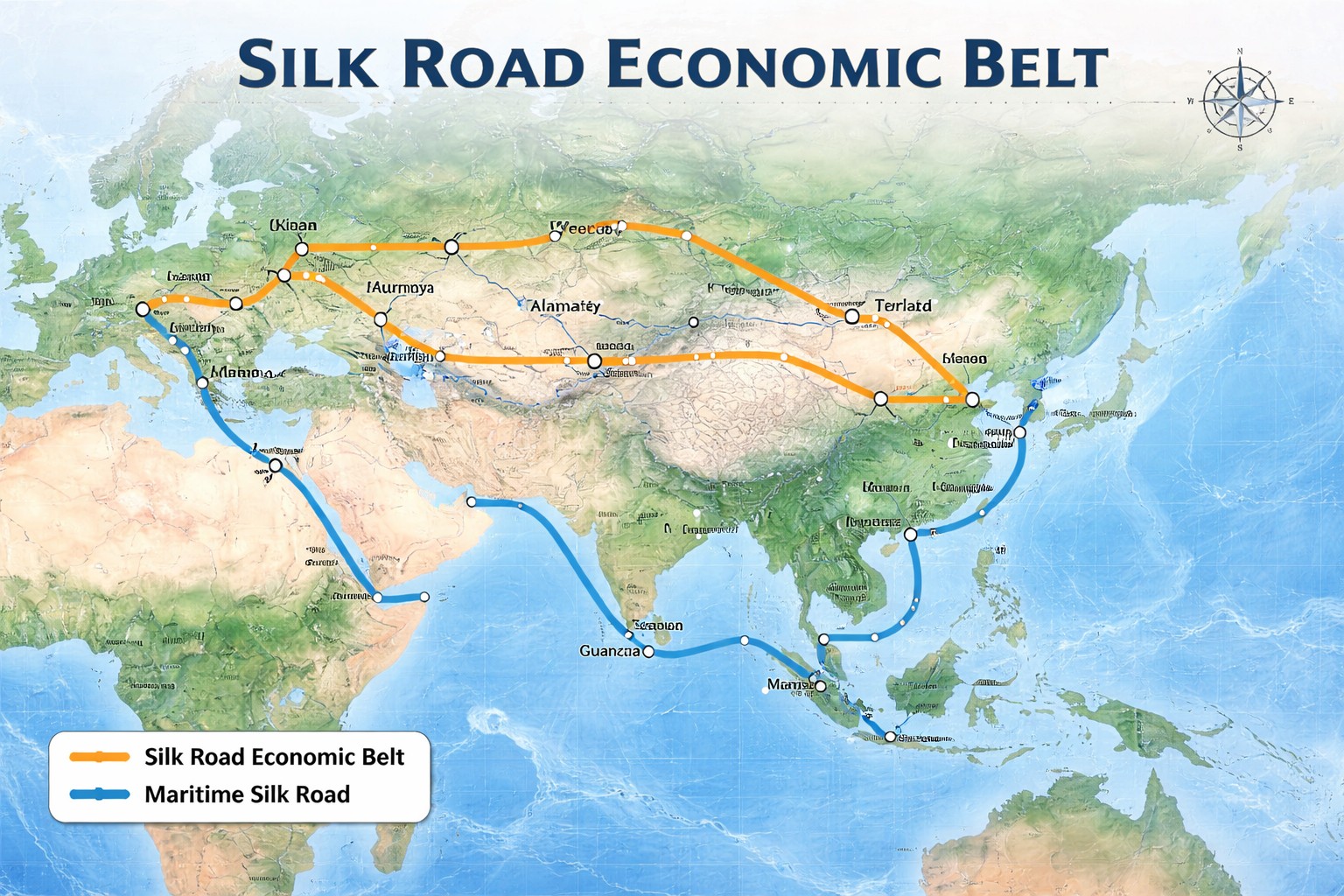
Map overview of Eurasian corridors and trade routes.
Recommended Resources
This page may contain affiliate links. If you buy through these links, we may earn a commission at no extra cost to you.
Logistics & Supply Chain Book
Useful background reading for transport corridors, trade routes, and supply chains.
View ResourceTrade Data Platform
A platform for researching trade flows, customs data, and freight trends.
Open PlatformBusiness Travel Insurance
Optional partner offer for readers traveling across Eurasia for business.
Check Offer