
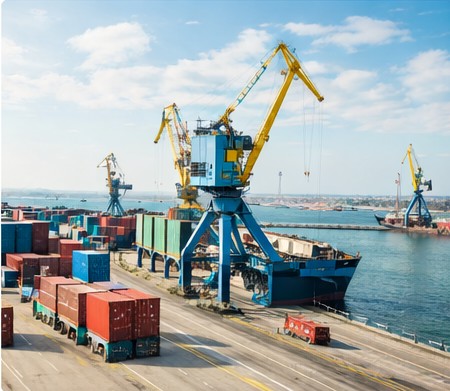





Infrastructure Development Drives Connectivity
Uzbekistan is undergoing a significant transformation that is reshaping its role in Eurasian trade. The country, historically landlocked, is now emerging as a key player in connecting various regions through enhanced infrastructure and logistics networks. According to the International Road Transport Union (IRU), Uzbekistan's investments in transport infrastructure are critical for facilitating trade not only within Central Asia but also extending to Europe and Asia.
The government has prioritized the development of road and rail networks, which are essential for improving connectivity. Major projects, including the construction of new highways and the upgrading of existing rail lines, are being implemented to streamline the flow of goods. These initiatives aim to reduce transit times and costs, making Uzbekistan an attractive route for traders and logistics companies.
Furthermore, the establishment of logistics centers and dry ports is facilitating smoother operations for freight movement. By creating a more efficient transport ecosystem, Uzbekistan is positioning itself as a logistical hub that can handle increased trade volumes.
Trade Agreements and Economic Partnerships
In addition to infrastructure improvements, Uzbekistan is actively pursuing trade agreements and economic partnerships that bolster its position in the region. The country has engaged in discussions with neighboring states and international organizations to enhance trade relations, thereby opening new markets for its goods and services.
The IRU highlights that Uzbekistan's strategic location offers unique advantages for regional trade. By fostering collaborations with countries along the Silk Road Economic Belt, Uzbekistan is enhancing its cross-border trade capabilities. This collaborative approach not only benefits Uzbekistan but also promotes regional economic growth and stability.
Moreover, the country is making strides in diversifying its economy, which is essential for sustaining long-term trade relationships. By investing in various sectors such as agriculture, textiles, and manufacturing, Uzbekistan is positioning itself as a competitive player in the global market.
Challenges and Future Outlook
Despite the positive developments, Uzbekistan faces several challenges in its journey toward becoming a landlinked trade hub. Issues such as bureaucratic hurdles, regulatory complexities, and infrastructure bottlenecks remain significant obstacles that need to be addressed. The IRU emphasizes the importance of continued reforms to streamline customs processes and improve the overall business environment.
Additionally, regional geopolitical dynamics can impact trade flows and investment decisions. It is crucial for Uzbekistan to navigate these complexities carefully while maintaining strong ties with its partners.
Looking ahead, the future of Uzbekistan as a trade hub in Eurasia appears promising, provided that the country continues to enhance its infrastructure and foster cooperative relationships. By building on its strategic advantages and addressing existing challenges, Uzbekistan can solidify its position as a key player in the regional and global trade landscape.
In conclusion, Uzbekistan is transforming its geographical disadvantage into a strategic advantage by investing in infrastructure and fostering trade partnerships. As the country continues on this path, its role in Eurasian trade is set to expand, benefiting not only its economy but also contributing to regional connectivity and collaboration.
Recommended Resources
This page may contain affiliate links. If you buy through these links, we may earn a commission at no extra cost to you.
Logistics & Supply Chain Book
Useful background reading for transport corridors, trade routes, and supply chains.
View ResourceTrade Data Platform
A platform for researching trade flows, customs data, and freight trends.
Open PlatformBusiness Travel Insurance
Optional partner offer for readers traveling across Eurasia for business.
Check Offer