
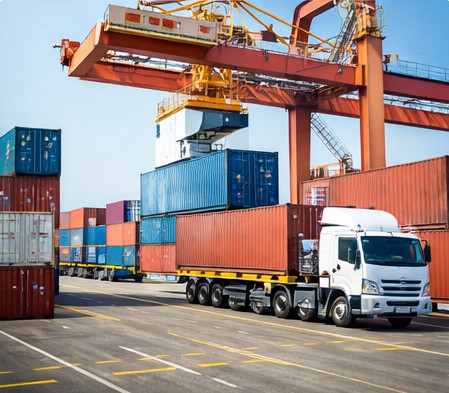





The Importance of Logistics in Eurasia
In an increasingly interconnected world, logistics has emerged as a cornerstone for economic growth and stability. The transport framework across Eurasia plays a vital role in facilitating trade between nations, enhancing connectivity, and fostering regional partnerships.
Eurasia, which spans Europe and Asia, is a vast region characterized by diverse economies and cultures. This geographical diversity presents both challenges and opportunities for logistics and transportation. Efficient logistics systems are crucial for ensuring that goods move seamlessly across borders, thereby supporting economic stability.
The development of transport infrastructure in Eurasia has been a priority for many countries. Investments in roads, railways, airports, and ports are crucial for enhancing trade routes and improving access to markets. The establishment of comprehensive logistics networks is seen as essential for sustaining economic growth in the region.
Infrastructure Developments and Trade Facilitation
Several initiatives are underway to bolster the transport infrastructure across Eurasia. Key projects aim to create fast and efficient trade corridors that link various countries. These corridors not only reduce transit times but also lower transportation costs, making trade more attractive.
For example, the development of the China-Europe Railway Express has significantly improved rail connectivity between China and Europe. This service offers a reliable alternative to maritime shipping, which can be subject to delays and higher costs. The efficiency of rail transport has bolstered trade volumes, confirming the importance of robust logistics networks.
Additionally, the Belt and Road Initiative (BRI) has further highlighted the significance of infrastructure development in enhancing trade. This ambitious project aims to improve connectivity across Asia, Europe, and beyond through investments in road and rail networks, ports, and other infrastructures.
Governments and private sectors are increasingly collaborating to address logistical challenges. Streamlining customs processes and improving border management are crucial steps that countries are taking to facilitate smoother trade operations. Efficient logistics not only benefits individual businesses but also strengthens national economies by creating jobs and fostering innovation.
Economic Stability Through Seamless Logistics
The transport framework of Eurasia plays a pivotal role in ensuring economic stability. Seamless logistics contribute to the resilience of economies by providing reliable supply chains and facilitating international trade. In times of global uncertainty, such as economic downturns or geopolitical tensions, strong logistics networks can mitigate risks and enhance the ability of countries to adapt.
Furthermore, the integration of technology in logistics is transforming how goods are transported across Eurasia. Digital solutions, such as tracking systems and automated customs processes, are improving efficiency and transparency in the supply chain. As technology continues to evolve, the potential for enhanced logistics operations in Eurasia is significant.
However, challenges remain. Disparities in infrastructure quality, regulatory frameworks, and political stability can hinder the full potential of logistics in the region. Addressing these challenges requires collaboration among governments, businesses, and international organizations to create a conducive environment for trade.
In conclusion, the transport framework of Eurasia is integral to the stability of economies and the facilitation of trade. Ongoing investments in infrastructure and the adoption of innovative logistics solutions are essential for enhancing connectivity in the region. As countries work together to overcome logistical challenges, the prospects for resilient and efficient trade networks in Eurasia appear promising.
Recommended Resources
This page may contain affiliate links. If you buy through these links, we may earn a commission at no extra cost to you.
Logistics & Supply Chain Book
Useful background reading for transport corridors, trade routes, and supply chains.
View ResourceTrade Data Platform
A platform for researching trade flows, customs data, and freight trends.
Open PlatformBusiness Travel Insurance
Optional partner offer for readers traveling across Eurasia for business.
Check Offer