
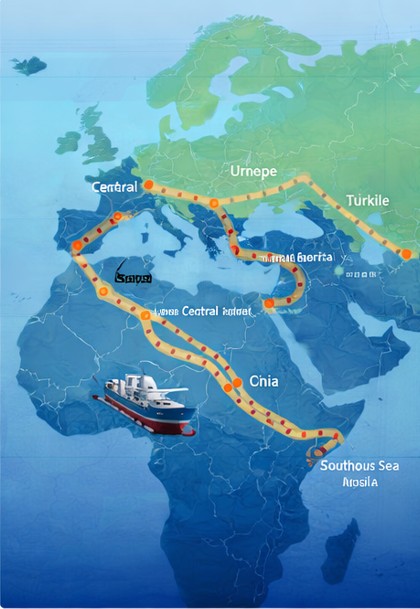





The recent expansion of the Middle Corridor, a vital trade route linking China with Europe through Central Asia, is set to enhance economic ties and trade volumes between these regions. As nations invest in infrastructure improvements, the dynamics of trade logistics are evolving, promising increased efficiency and reduced transit times.
Infrastructure Developments
Central Asia has historically served as a significant crossroads for trade between the East and West. The Middle Corridor, which connects China to European markets via Kazakhstan, Azerbaijan, and beyond, is receiving substantial investments aimed at bolstering its infrastructure.
Recent reports indicate that several key projects are underway to enhance transportation links, including railways and highways, which are essential for facilitating smoother trade flows. The completion of new rail lines and the modernization of existing ones are expected to play a crucial role in increasing the volume of goods transported along this route.
Additionally, improvements at ports, particularly in Azerbaijan, are being prioritized to accommodate larger cargo shipments. The Port of Baku is undergoing expansions that will enable it to handle increased freight traffic, ultimately enhancing its role as a crucial transshipment hub within the Middle Corridor.
Logistics Enhancements
The logistics aspect of the Middle Corridor expansion cannot be overstated. Efficient logistics networks are critical for timely deliveries and reduced costs in trade. Recent enhancements in logistics operations aim to streamline cargo handling and management, which will significantly benefit businesses relying on these routes.
The establishment of logistics centers and warehouses along the corridor is also being developed, facilitating better storage solutions for goods in transit. These logistics hubs will serve as critical points for customs clearance and distribution, allowing for faster turnaround times and increased overall efficiency.
Collaboration among countries along the corridor is evident as nations seek to synchronize their logistics systems. This cooperation is vital for addressing challenges such as customs procedures and regulatory standards, which can often hinder trade flow.
Trade Volume Expectations
As the Middle Corridor expands and logistics improve, the trade volume between China and Central Asian countries is anticipated to rise. This increase is expected to be driven by various sectors, including energy, agriculture, and manufacturing.
China's Belt and Road Initiative (BRI) has been instrumental in promoting projects that enhance connectivity in the region. The initiative emphasizes the importance of trade and investment, with Central Asia positioned as a strategic partner in achieving these goals.
Moreover, the diversification of trade routes is becoming increasingly important as companies seek alternatives to traditional pathways, especially in light of global supply chain disruptions. The Middle Corridor presents a viable option for businesses looking to navigate these challenges while accessing emerging markets in Central Asia.
In conclusion, the expansion of the Middle Corridor is expected to play a pivotal role in enhancing trade relations between China and Central Asia. With ongoing infrastructure and logistics developments, the potential for increased trade volume is significant, marking a new chapter in the economic collaboration between these regions. As investments continue to flow into this vital corridor, stakeholders are cautiously optimistic about the prospects that lie ahead.
Silk Road Economic Belt Map
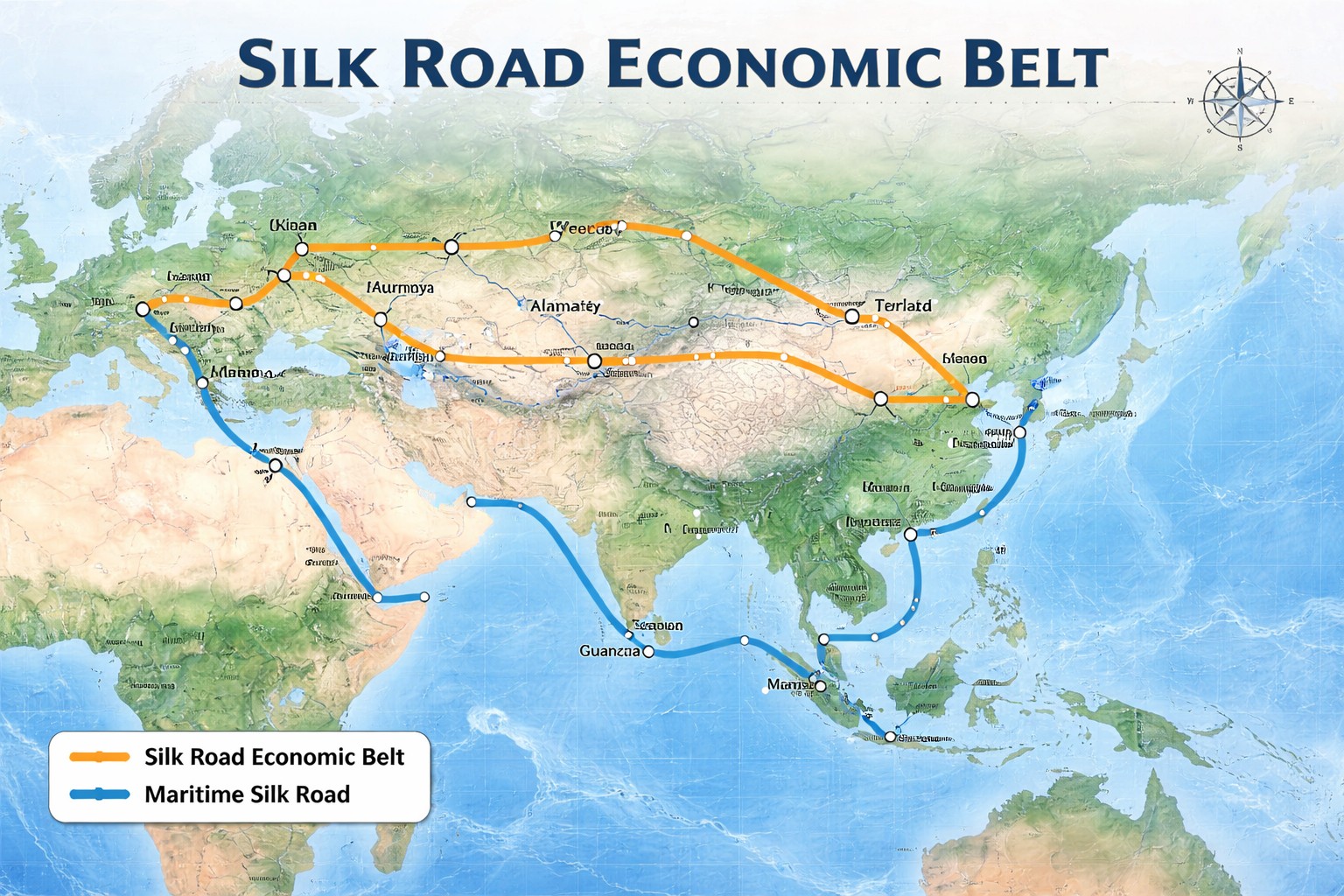
Map overview of Eurasian corridors and trade routes.
Recommended Resources
This page may contain affiliate links. If you buy through these links, we may earn a commission at no extra cost to you.
Logistics & Supply Chain Book
Useful background reading for transport corridors, trade routes, and supply chains.
View ResourceTrade Data Platform
A platform for researching trade flows, customs data, and freight trends.
Open PlatformBusiness Travel Insurance
Optional partner offer for readers traveling across Eurasia for business.
Check Offer