
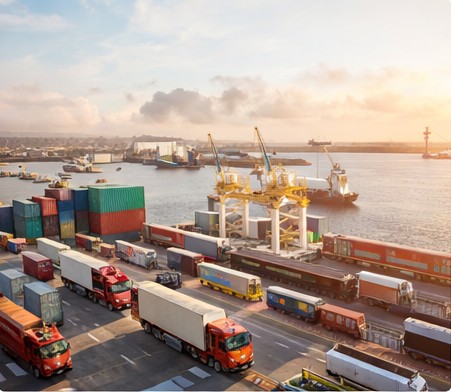





The recent Tashkent Forum marked a significant moment for the future of investment in Central Asia, with European nations presenting a unified approach focused on establishing robust rules and enhancing infrastructure necessary for facilitating trade and investment in the region. This gathering highlighted the strategic importance of Central Asia within the broader context of the Silk Road Economic Belt, an initiative that aims to improve connectivity and economic cooperation across Eurasia.
Focus on Regulatory Frameworks
One of the central themes discussed at the forum was the importance of regulatory frameworks that govern investment in Central Asia. European representatives emphasized that clear and consistent regulations are vital for attracting foreign direct investment (FDI) into the region. The need for transparency, legal certainty, and adherence to international standards was underscored as prerequisites for creating a favorable investment climate.
Various European officials noted that harmonizing regulations across Central Asian nations could mitigate risks for investors and facilitate smoother cross-border trade. The discussions aimed to address existing barriers to investment, including bureaucratic hurdles and diverse regulatory environments that can deter potential stakeholders.
Infrastructure Development as a Priority
Alongside regulatory improvements, infrastructure development emerged as a critical focus area for investment in Central Asia. The region, which serves as a crucial transit corridor between Europe and Asia, requires significant upgrades to its transport and logistics networks to enhance connectivity and efficiency.
European stakeholders highlighted several key sectors where investment is needed, including road and rail networks, energy infrastructure, and digital connectivity. Improved infrastructure is seen as essential for reducing transportation costs, enabling faster movement of goods, and ultimately enhancing the overall competitiveness of Central Asian economies.
During the forum, discussions also revolved around potential collaborative projects that could leverage European technological expertise in infrastructure development. These projects aim to not only improve physical connectivity but also foster economic ties between Central Asian nations and European markets.
Trade Opportunities and Regional Cooperation
The Tashkent Forum provided a platform for discussing not just investment but also trade opportunities that can arise from enhanced cooperation between Europe and Central Asia. The region has been increasingly recognized as a vital hub for trade routes that connect various markets across Eurasia.
European leaders emphasized the need for a coordinated approach to trade policies that can facilitate easier access to markets. By aligning trade regulations and standards, Central Asian countries can better position themselves as attractive trade partners for European businesses.
Moreover, the forum served as a venue for networking among business leaders and policymakers, fostering dialogue that could lead to the development of new trade agreements and partnerships. The potential for joint ventures in sectors such as agriculture, technology, and renewable energy was discussed as a means to diversify economic activities in Central Asia.
As the discussions wrapped up, attendees expressed optimism about the future of investment in Central Asia, contingent upon the successful implementation of the frameworks and infrastructure improvements discussed. The collaborative spirit displayed at the Tashkent Forum is seen as a promising foundation for future engagements.
In conclusion, the Tashkent Forum highlighted Europe's commitment to enhancing investment in Central Asia through improved regulatory frameworks and infrastructure development. As stakeholders move forward with these initiatives, the potential for increased trade and economic cooperation in the region remains a priority. The focus on creating a conducive environment for investment reflects the growing recognition of Central Asia's strategic importance within the Silk Road Economic Belt.
Recommended Resources
This page may contain affiliate links. If you buy through these links, we may earn a commission at no extra cost to you.
Logistics & Supply Chain Book
Useful background reading for transport corridors, trade routes, and supply chains.
View ResourceTrade Data Platform
A platform for researching trade flows, customs data, and freight trends.
Open PlatformBusiness Travel Insurance
Optional partner offer for readers traveling across Eurasia for business.
Check Offer