





---
The Eurasian Transport Framework Observatory has unveiled a substantial investment portfolio totaling approximately $231 billion, dedicated to infrastructure projects across Central Asia and the Middle East linked to the Silk Road Economic Belt. This initiative comes at a pivotal moment as Russia increasingly shifts its focus towards Asian markets, reinforcing its economic ties with neighboring regions.
Major Projects in Central Asia
A significant portion of the announced investments is earmarked for Central Asia, where countries like Kazakhstan, Uzbekistan, and Kyrgyzstan are set to benefit from enhanced transportation infrastructure. Key projects include the expansion of existing rail networks, the construction of new highways, and the development of logistics hubs designed to streamline trade routes.
The observatory's report highlights several flagship projects, such as the Trans-Caspian International Transport Route, which aims to improve connectivity between Europe and Asia by facilitating faster transit times for goods. Additionally, investments in border infrastructure are expected to ease customs procedures, thus promoting trade efficiency among participating nations.
Analysts note that these developments are not only crucial for regional economies but also for enhancing connectivity along the Belt and Road Initiative. By investing in infrastructure, Central Asian countries are positioning themselves as critical nodes in global trade networks.
Middle East Integration
The integration of Middle Eastern infrastructure projects into the Silk Road framework signifies a broader strategy to create a unified trade corridor spanning from Asia to Europe. The observatory has reported on several key initiatives in countries like Iran and Turkey, which are considered vital links in this trade network.
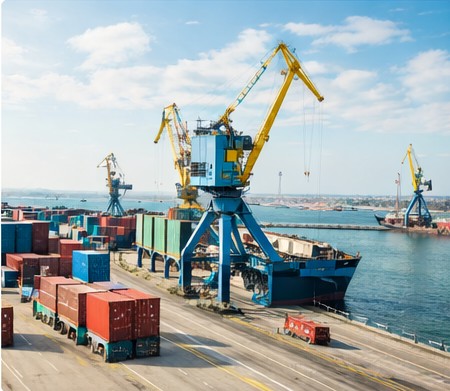
Investments include the modernization of ports and the enhancement of road networks that connect key urban centers. The strategic location of these projects is designed to facilitate smoother transit of goods across borders, ultimately aiming to reduce transportation costs and times.
Furthermore, the collaboration between Central Asian and Middle Eastern nations is anticipated to foster economic synergies, enabling a shared approach to logistics and trade. This interconnected framework may also attract foreign investments, bolstering economic growth in the region.
Russia's Strategic Realignment
Russia's pivot towards Asia is underscored by its participation in these infrastructure projects, reflecting a strategic alignment with growing markets in the East. As Western sanctions continue to impact the Russian economy, the government is seeking new partnerships and trade routes that connect it to Asian economies.
The observatory's findings indicate that Russia is not only investing in its own infrastructure but is also actively engaging with neighboring countries to enhance regional connectivity. This realignment is expected to strengthen economic ties and foster collaborative projects that benefit all parties involved.
Moreover, Russia's involvement in the Silk Road Economic Belt is seen as an opportunity to diversify its trade relationships, which have historically been concentrated in Europe. By embracing a more integrated approach with Asian countries, Russia aims to create a sustainable economic framework that can withstand geopolitical fluctuations.
In conclusion, the Eurasian Transport Framework Observatory's announcement of $231 billion in infrastructure investment signifies a crucial step in the development of the Silk Road Economic Belt. As Central Asian and Middle Eastern nations enhance their transportation networks, the collaboration with Russia may lead to a more integrated and resilient trade landscape. The ongoing commitments to infrastructure development highlight the importance of regional cooperation in fostering economic growth and stability in Eurasia.
Recommended Resources
This page may contain affiliate links. If you buy through these links, we may earn a commission at no extra cost to you.
Logistics & Supply Chain Book
Useful background reading for transport corridors, trade routes, and supply chains.
View ResourceTrade Data Platform
A platform for researching trade flows, customs data, and freight trends.
Open PlatformBusiness Travel Insurance
Optional partner offer for readers traveling across Eurasia for business.
Check Offer