
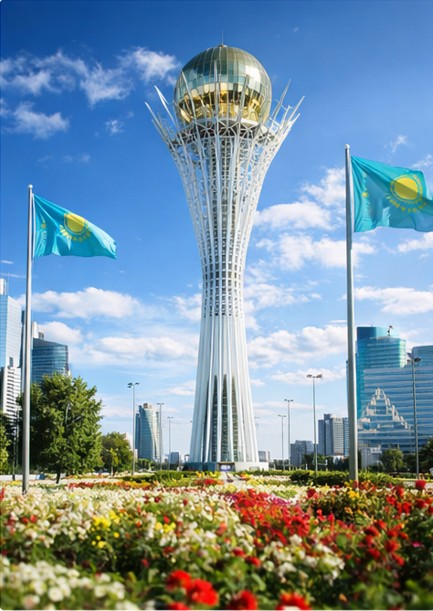





The Eurasian Development Bank (EDB) has recently announced the issuance of bonds in the United Arab Emirates (UAE) to stimulate investment in Central Asia. This strategic financial instrument aims to enhance infrastructure development and trade logistics in the region, which is increasingly viewed as a critical nexus for Eurasian connectivity.
Strengthening Regional Investment
The EDB, headquartered in Almaty, Kazakhstan, is a multilateral development bank established to promote economic growth and integration among member countries. The bond issuance in the UAE represents a pivotal step in the bank's efforts to mobilize resources for projects that support infrastructure development in Central Asia.
With this initiative, the EDB aims to attract foreign direct investment, particularly from Gulf Cooperation Council (GCC) countries, which have shown interest in diversifying their investment portfolios. The funds raised through these bonds are expected to be directed towards projects that enhance connectivity, trade routes, and overall economic collaboration among EDB member states.
Enhancing Infrastructure and Logistics
Central Asia is strategically positioned along the ancient Silk Road, making it a vital link between Europe and Asia. However, the region has historically faced challenges regarding infrastructure and logistics. The EDB's bond issuance can provide much-needed capital to address these issues.
Investments are likely to focus on critical infrastructure projects, including transportation networks, energy facilities, and cross-border trade hubs. Improved infrastructure can facilitate smoother trade flows and lower transportation costs, thereby enhancing the region's competitiveness on a global scale.
The EDB has previously supported various projects aimed at enhancing infrastructure and trade connectivity in Central Asia. This latest initiative is expected to build on these efforts, fostering a more integrated economic landscape that benefits member countries.
Opportunities for GCC Investors
The UAE, as a financial hub, offers a conducive environment for attracting investment. By issuing bonds in the UAE, the EDB is tapping into a pool of capital that is increasingly seeking opportunities in emerging markets. This move could also bolster economic ties between the UAE and Central Asian countries.
Investors from the GCC are particularly interested in Central Asia due to its rich natural resources and potential for economic growth. The EDB's bond issuance could serve as a gateway for these investors to participate in the region's development projects, offering them attractive returns while contributing to the economic advancement of Central Asia.
The bonds will likely appeal to a range of investors, including institutional and retail investors, looking for diversification opportunities in their investment portfolios. The EDB's solid track record and commitment to fostering regional development could enhance investor confidence.
In conclusion, the Eurasian Development Bank's bond issuance in the UAE marks a significant effort to stimulate investment in Central Asia. By focusing on infrastructure and trade logistics, the EDB aims to create a more connected and economically vibrant region. As the bonds attract investment from the UAE and beyond, they hold the potential to drive sustainable development and improve the economic prospects of Central Asia.
Recommended Resources
This page may contain affiliate links. If you buy through these links, we may earn a commission at no extra cost to you.
Logistics & Supply Chain Book
Useful background reading for transport corridors, trade routes, and supply chains.
View ResourceTrade Data Platform
A platform for researching trade flows, customs data, and freight trends.
Open PlatformBusiness Travel Insurance
Optional partner offer for readers traveling across Eurasia for business.
Check Offer