
EU's Commitment to Regional Connectivity
The European Union (EU) has announced its commitment to improving infrastructure connectivity in Kazakhstan, Kyrgyzstan, and Uzbekistan. This initiative is part of a broader strategy to enhance the Trans-Caspian Transport Corridor, which plays a vital role in linking Europe and Asia through Central Asia. The EU's support comes as the region increasingly emphasizes logistics and trade to foster economic growth.
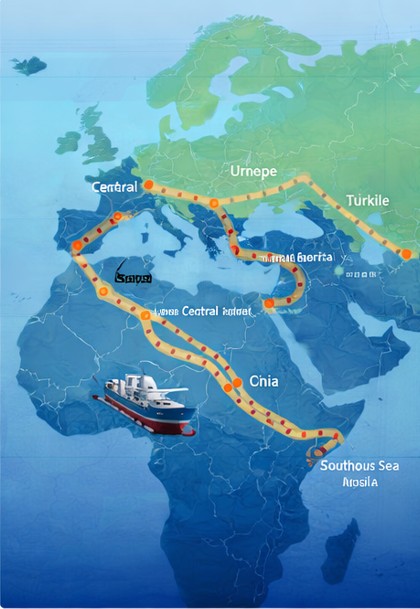
The Trans-Caspian Transport Corridor has emerged as an essential route for transporting goods between Europe and Asia. This corridor aims to provide an alternative to traditional trade routes, facilitating quicker and more efficient movement of goods. With the EU's backing, projects aimed at upgrading infrastructure in these Central Asian nations are expected to significantly enhance trade capabilities.
Infrastructure Projects and Investment
As part of the initiative, the EU plans to invest in various infrastructure projects that will improve road, rail, and port facilities in the region. These improvements are expected to enable smoother transit, reduce logistical costs, and boost overall trade efficiency. The focus will also include enhancing digital logistics solutions to streamline operations.
Kazakhstan, Kyrgyzstan, and Uzbekistan stand to benefit significantly from these enhancements. Each country has unique logistical challenges that, when addressed, could lead to increased economic opportunities. By investing in infrastructure, the EU is not only supporting these nations but also positioning itself as a critical partner in the region.
The EU's involvement in these infrastructure projects reflects a broader geopolitical interest in Central Asia, where connectivity and trade routes play a crucial role in regional stability and development. By fostering closer ties with Central Asian countries, the EU aims to create a more integrated market, enhancing the region's attractiveness for foreign investment.
Regional Implications and Future Prospects
The support from the EU is likely to have significant implications for regional trade dynamics. As transportation becomes more efficient, it is expected to open up new markets for Central Asian products, enhancing their competitiveness on a global scale. Additionally, improved connectivity could foster greater collaboration among regional countries, encouraging joint ventures and partnerships.
However, the success of these initiatives will depend on the commitment of local governments and their ability to implement the proposed projects effectively. It will also require continuous dialogue and cooperation among the countries involved to ensure that the logistics improvements align with their respective economic goals.
As the Trans-Caspian Transport Corridor continues to develop, it is essential for stakeholders to remain cautious and strategic in their planning. The complexities of regional politics and economic conditions necessitate a well-coordinated approach to maximize the benefits of EU support.
In conclusion, the EU's investment in infrastructure improvements in Kazakhstan, Kyrgyzstan, and Uzbekistan marks a significant step towards enhancing the Trans-Caspian Transport Corridor. As these projects unfold, they hold the potential to transform regional connectivity and trade, contributing to the economic development of Central Asia. However, the successful realization of these improvements will require ongoing collaboration and commitment from all parties involved.