





---
The Eurasian Development Bank (EDB) recently released a report indicating a notable rise in Chinese foreign direct investment (FDI) across Eurasia, even as global investment levels decline. This trend is particularly evident in Kazakhstan, which has emerged as a leading destination for Chinese capital in Central Asia.
Rising Chinese Investment in Eurasia
According to the EDB’s findings, China’s FDI in the region has experienced a marked increase, outpacing investment flows from other countries as global economic conditions tighten. Factors contributing to this growth include China's strategic initiatives aimed at enhancing connectivity and economic partnerships across Eurasia, particularly through the Belt and Road Initiative (BRI).
The report highlights that despite a general slowdown in global investment due to economic uncertainties and geopolitical tensions, Chinese entities continue to seek opportunities in the region. The EDB's analysis underscores the importance of infrastructure development and trade facilitation as key areas where Chinese investments are concentrated.
Kazakhstan's Strategic Role
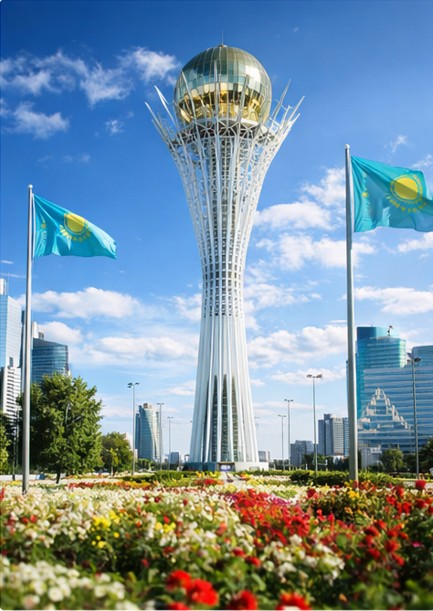
Kazakhstan has been identified as a primary beneficiary of this influx of Chinese investment. The country’s strategic location and its efforts to diversify its economy have made it an attractive option for Chinese investors. Key sectors receiving attention include energy, transportation, and agriculture, reflecting Kazakhstan's potential as a significant hub within the Silk Road Economic Belt.
Furthermore, the Kazakh government has implemented various reforms to create a more favorable investment climate, including tax incentives and improved regulatory frameworks. These efforts have not only attracted Chinese capital but have also encouraged the establishment of joint ventures and partnerships between local and Chinese businesses.
Implications for Regional Trade and Infrastructure
The increase in Chinese FDI is expected to have broader implications for trade and infrastructure development in Central Asia. Enhanced investment in logistics and transportation infrastructure is likely to improve connectivity between Central Asian countries and major markets in China and beyond.
As the region continues to integrate into global supply chains, the inflow of Chinese capital could facilitate the development of important transit routes, thereby boosting trade volumes. The EDB report suggests that coordinated efforts among Eurasian countries, alongside Chinese investment, could yield significant economic benefits.
In conclusion, the EDB’s report illustrates a complex but promising landscape for foreign investment in Eurasia, particularly in Kazakhstan where Chinese FDI is on the rise. As global investment trends face challenges, the focus on infrastructure and logistics could pave the way for enhanced regional cooperation and economic growth in the years to come.
Recommended Resources
This page may contain affiliate links. If you buy through these links, we may earn a commission at no extra cost to you.
Logistics & Supply Chain Book
Useful background reading for transport corridors, trade routes, and supply chains.
View ResourceTrade Data Platform
A platform for researching trade flows, customs data, and freight trends.
Open PlatformBusiness Travel Insurance
Optional partner offer for readers traveling across Eurasia for business.
Check Offer