





---
The Middle Corridor, an essential trade route connecting Asia and Europe, is experiencing a transformative shift due to the increased emphasis on digitalization. As countries along this corridor strive to improve their infrastructure and logistics capabilities, digital technologies are becoming key factors in investment decisions.
The Role of Digitalization in Infrastructure Development
The integration of digital tools in infrastructure development is vital for optimizing trade routes and logistics. Countries participating in the Middle Corridor are increasingly recognizing that digital solutions can streamline operations, reduce costs, and enhance overall efficiency.
By adopting advanced technologies such as big data, artificial intelligence, and blockchain, stakeholders can gain valuable insights into market trends. These technologies facilitate better decision-making processes, allowing for more informed investments in infrastructure projects.
Moreover, digitalization enables real-time tracking of goods and services, which is essential for improving supply chain management. This capability is particularly crucial for maintaining competitiveness in the global market, as it allows for quicker responses to changes in demand and supply.
Investment Trends in the Middle Corridor
Recent reports indicate a growing trend toward investment in digital infrastructure along the Middle Corridor. Governments and private investors are prioritizing projects that incorporate digital technologies, recognizing that these investments can lead to significant returns.
For instance, the development of smart logistics hubs is becoming increasingly common. Such hubs utilize digital platforms to enhance the movement of goods between countries, thereby facilitating smoother trade processes. This investment not only benefits local economies but also strengthens the overall economic landscape of the region.
Additionally, digital platforms are being utilized to foster collaboration between countries. Joint initiatives aimed at improving trade connectivity often rely on digital solutions to coordinate efforts and share data. This collaborative approach can lead to a more integrated regional economy, ultimately benefiting all participants.
Challenges and Opportunities Ahead
While the potential for digitalization along the Middle Corridor is substantial, several challenges remain. One notable hurdle is the disparity in technological capabilities among countries in the region. Not all nations have the same level of access to digital tools or the infrastructure necessary to support their implementation.
Addressing these disparities will require concerted efforts from both governments and private sector stakeholders. Initiatives aimed at enhancing digital literacy and providing financial support for technological upgrades can help bridge the gap between nations.
Furthermore, cybersecurity remains a concern as digital systems become more prevalent. Ensuring the safety and integrity of data is paramount, particularly as the region becomes increasingly interconnected. Developing robust cybersecurity measures will be essential in fostering trust and encouraging further investment in digital infrastructure.
In conclusion, digitalization is emerging as a critical component in shaping investment decisions along the Middle Corridor. As countries focus on enhancing their infrastructure and logistics capabilities, the adoption of digital technologies will play a pivotal role in driving economic growth and fostering regional collaboration. Despite the challenges that lie ahead, the opportunities presented by digitalization have the potential to transform trade dynamics in Eurasia significantly.
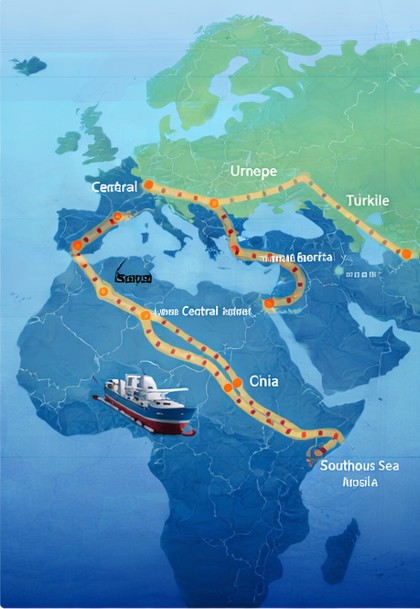
Silk Road Economic Belt Map

Map overview of Eurasian corridors and trade routes.
Recommended Resources
This page may contain affiliate links. If you buy through these links, we may earn a commission at no extra cost to you.
Logistics & Supply Chain Book
Useful background reading for transport corridors, trade routes, and supply chains.
View ResourceTrade Data Platform
A platform for researching trade flows, customs data, and freight trends.
Open PlatformBusiness Travel Insurance
Optional partner offer for readers traveling across Eurasia for business.
Check Offer