





Expanding Solar Footprint in Central Asia
China's engagement in Central Asia has increasingly shifted towards renewable energy, particularly solar investments. This trend is part of a broader strategy to enhance energy security and diversify power sources within the region. With Central Asia's abundant sunlight and vast landscapes, the potential for solar energy production is significant, making it an attractive investment destination for Chinese companies.
Recent reports indicate that numerous solar projects are underway across the region, with a focus on countries such as Kazakhstan, Kyrgyzstan, and Uzbekistan. These investments not only aim to bolster local energy capacities but also align with China’s commitment to reducing carbon emissions and transitioning to greener energy sources.
Kazakhstan, with its strategic location and vast solar potential, has emerged as a focal point for Chinese solar initiatives. The country has already attracted substantial Chinese investment in solar farms, reflecting a mutually beneficial relationship. These projects promise to enhance local energy independence while providing China with a foothold in a resource-rich area.
Infrastructure Development and Trade Opportunities
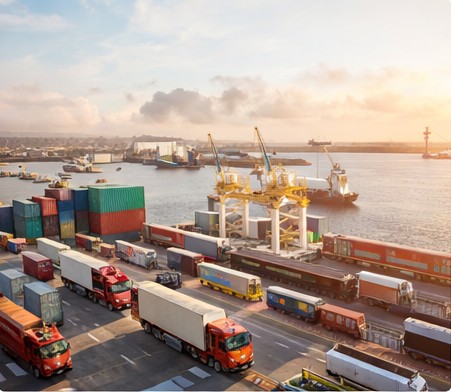
The rise of solar energy projects in Central Asia is closely linked to infrastructure development. Many of these solar installations are accompanied by improvements in transport and logistics networks, which are essential for the efficient distribution of energy. Chinese investments often encompass not only the construction of solar facilities but also the necessary upgrades to power grids and transportation routes.
The development of infrastructure is crucial for facilitating trade within the region. By enhancing connectivity, Chinese solar investments can create new opportunities for energy exports to neighboring countries, thus promoting regional economic integration. This aligns with China's Belt and Road Initiative, which emphasizes infrastructure connectivity as a cornerstone of its Eurasian strategy.
Additionally, the construction of solar facilities can lead to job creation and skill development within the local workforce. As local governments and Chinese companies collaborate on these projects, there is potential for knowledge transfer and capacity building, which could further stimulate the local economy.
Environmental and Economic Considerations
While the expansion of solar energy in Central Asia presents numerous benefits, it also raises questions regarding environmental sustainability and economic viability. Concerns about land use, particularly in agricultural areas, have been voiced by local communities. The balance between harnessing renewable energy and preserving arable land is a critical issue that stakeholders must address.
Moreover, the long-term economic impact of these investments remains to be fully assessed. While initial funding and infrastructure development are promising, the sustainability of these projects depends on various factors, including policy support, market demand for solar energy, and the ability of local governments to manage and maintain these facilities.
As Central Asia navigates its energy transition, it will be essential for stakeholders to engage in transparent discussions about the implications of solar investments. Ensuring that local communities benefit from these developments will be crucial in fostering a sense of ownership and support for renewable energy initiatives.
In conclusion, China's solar investments in Central Asia reflect a significant shift towards renewable energy in the region. While the prospects for infrastructure development and economic growth are promising, careful consideration of environmental impacts and community engagement will be essential to ensure the sustainability of these initiatives. As the region continues to attract Chinese investment, the future of solar energy in Central Asia will likely play a pivotal role in shaping its economic landscape.
Recommended Resources
This page may contain affiliate links. If you buy through these links, we may earn a commission at no extra cost to you.
Logistics & Supply Chain Book
Useful background reading for transport corridors, trade routes, and supply chains.
View ResourceTrade Data Platform
A platform for researching trade flows, customs data, and freight trends.
Open PlatformBusiness Travel Insurance
Optional partner offer for readers traveling across Eurasia for business.
Check Offer