
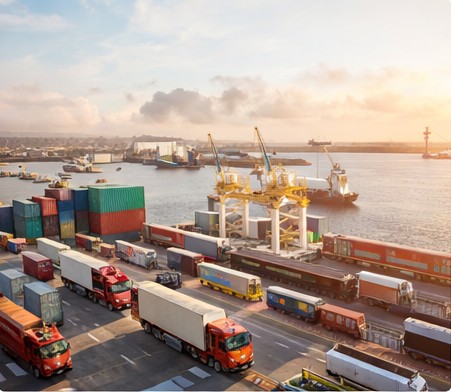





China's investments in the energy sector of Central Asia have been instrumental in enhancing the region's infrastructure and securing energy resources. With a strategic focus on development and connectivity, these investments reflect China's broader economic ambitions within the Silk Road Economic Belt initiative.
Expanding Energy Infrastructure
China has committed substantial financial resources to develop energy infrastructure across Central Asia. Projects include oil and gas pipelines, electricity transmission lines, and renewable energy installations. Notably, the China-Central Asia Gas Pipeline, which began operations in 2009, has been a cornerstone of this investment strategy. This pipeline facilitates the transport of natural gas from Turkmenistan through Uzbekistan and Kazakhstan to China, significantly increasing China's access to energy supplies.
In addition to gas, China has invested in oil extraction and transportation projects throughout the region. The China National Petroleum Corporation (CNPC) is actively involved in oil fields in Kazakhstan and Uzbekistan, contributing to the modernization and expansion of local energy capabilities. These projects not only strengthen China's energy security but also help Central Asian countries diversify their economies and enhance their domestic energy production.
Trade and Economic Cooperation
The investments from China are part of a broader strategy to foster economic cooperation with Central Asian nations. Through initiatives like the Belt and Road Initiative (BRI), China seeks to create a network of trade routes that promote economic integration. Central Asian countries, rich in natural resources, are essential partners in this vision.
As a result of Chinese investments, trade volumes between China and Central Asian countries have seen significant growth. For instance, Kazakhstan has become a key partner in energy exports, with China being one of its largest trade partners. This relationship is mutually beneficial, as it provides China with stable energy supplies while offering Kazakhstan access to Chinese markets and investment.
Moreover, China has expressed interest in developing renewable energy projects in Central Asia, recognizing the region's potential for solar and wind energy. These initiatives align with global trends towards sustainable energy sources and help diversify the energy portfolios of Central Asian countries.
Challenges and Considerations
Despite the promising prospects, China's investments in Central Asian energy are not without challenges. Political instability, economic fluctuations, and environmental concerns can impact the effectiveness of these projects. Additionally, the growing influence of China in the region raises questions regarding the long-term implications for local economies and governance.
Some Central Asian countries have expressed a desire to balance their relationships with China and other global powers. As these nations seek to assert their sovereignty, they must navigate the complexities of foreign investment while maximizing the benefits for their citizens.
Furthermore, environmental considerations are increasingly coming to the forefront of energy discussions. The development of energy projects must take into account the ecological impact on local communities and ecosystems, ensuring that growth does not come at the expense of environmental sustainability.
In conclusion, China's investments in Central Asian energy infrastructure play a crucial role in the region's economic development and energy security. While these investments present opportunities for growth and collaboration, they also pose challenges that require careful management. As Central Asian nations continue to engage with China, striking a balance between economic benefits and sovereignty will be essential for future success.
Recommended Resources
This page may contain affiliate links. If you buy through these links, we may earn a commission at no extra cost to you.
Logistics & Supply Chain Book
Useful background reading for transport corridors, trade routes, and supply chains.
View ResourceTrade Data Platform
A platform for researching trade flows, customs data, and freight trends.
Open PlatformBusiness Travel Insurance
Optional partner offer for readers traveling across Eurasia for business.
Check Offer