





Introduction of the New Corridor
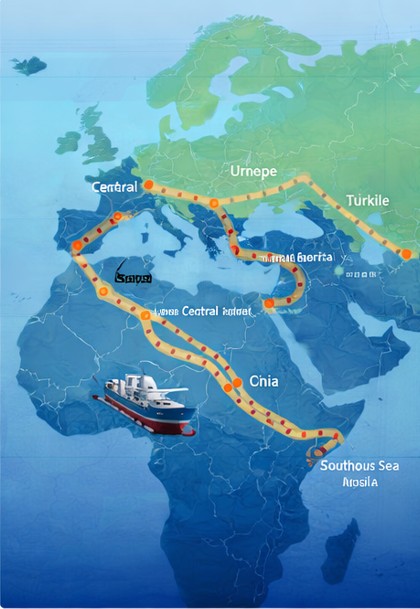
China has unveiled a new transport corridor that promises to reshape the trade landscape across Eurasia. This development is part of the broader Belt and Road Initiative (BRI), aimed at enhancing global trade routes and economic cooperation. The corridor is designed to facilitate smoother logistics and promote investment in infrastructure, which is crucial for connecting various regions across the continent.
The newly established route seeks to enhance connectivity between China and its trading partners, spanning several countries in Central Asia and beyond. The implications of this corridor are significant, as it aims to reduce transit times and costs for goods traveling between Asia and Europe.
Infrastructure Investment and Development
At the heart of the new transport corridor are substantial investments in infrastructure. China is focusing on upgrading existing roads, railways, and ports while also constructing new facilities to support increased trade volumes. These upgrades are expected to enhance the efficiency of supply chains, making it easier for businesses to conduct cross-border transactions.
Central Asian nations have expressed optimism about the potential benefits of improved infrastructure. Enhanced transport links could stimulate local economies and attract foreign investment. The corridor is also anticipated to improve access to markets for smaller nations that may have previously faced logistical challenges.
Moreover, the initiative underscores China's commitment to fostering regional integration. By improving physical connectivity, the transport corridor aims to promote economic cooperation and development among participating countries.
Trade Dynamics and Economic Impact
The new transport corridor is poised to influence trade dynamics significantly across Eurasia. By providing alternative routes for goods, it may alleviate congestion in existing corridors while also encouraging diversification of trade partnerships. This could lead to a more balanced economic landscape where countries can leverage their geographical advantages.
The corridor may also enhance trade between China and Europe. With faster transit times, European businesses could find it more appealing to engage with Asian markets. This shift could lead to increased exports and imports, fostering economic growth on both sides.
However, the success of this corridor will depend on various factors, including political stability and regulatory cooperation among the nations involved. Countries along the route will need to collaborate closely to ensure that the corridor operates efficiently and meets the needs of businesses.
Conclusion
China's new transport corridor represents a significant development in Eurasian trade and logistics. With a focus on infrastructure investment and enhanced connectivity, this initiative has the potential to reshape economic relationships and trade patterns across the region. While the future of these trade dynamics remains to be seen, the corridor underscores the importance of collaboration and investment in facilitating global commerce. As nations navigate the complexities of this new landscape, the implications for trade and economic growth will continue to unfold.
Silk Road Economic Belt Map
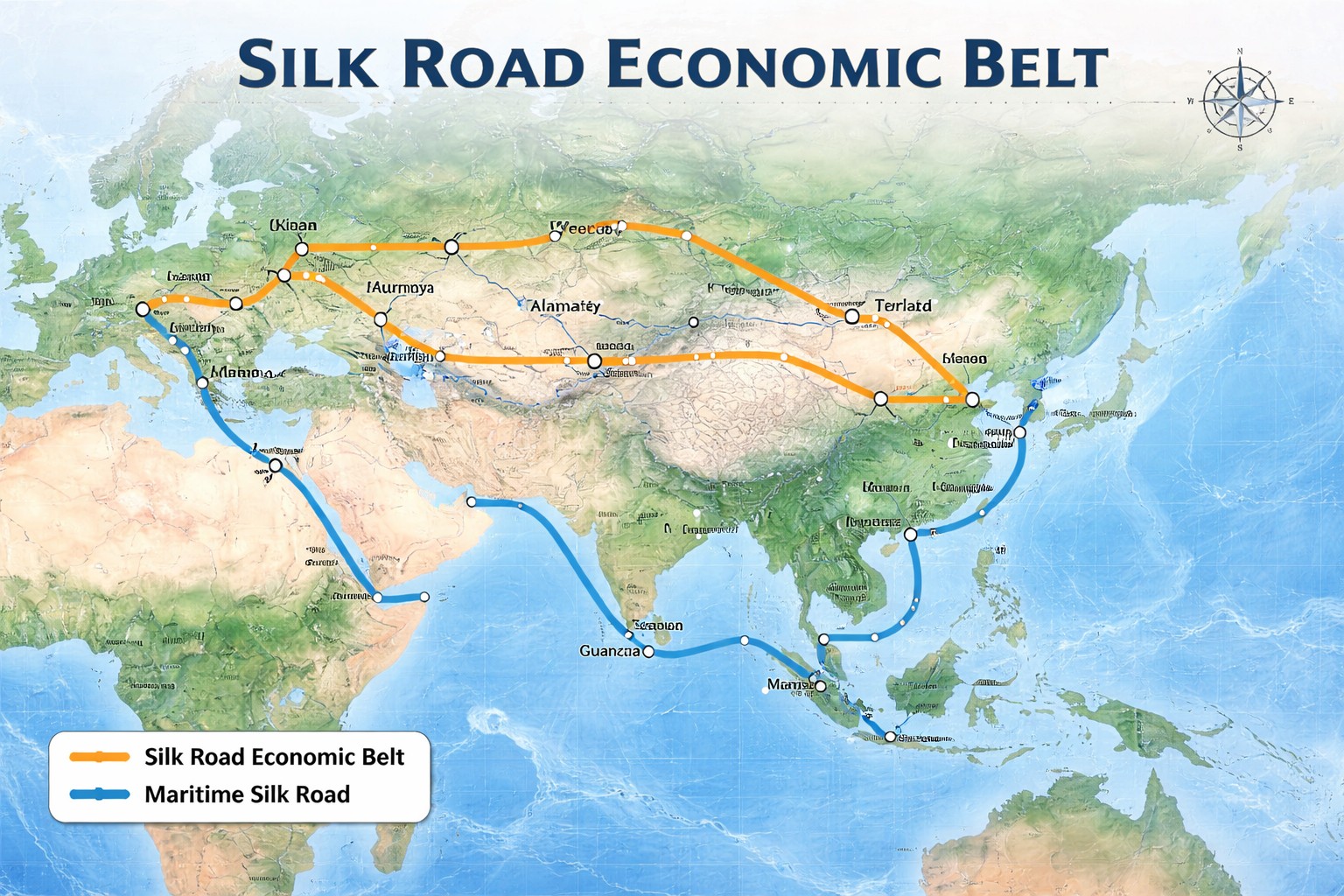
Map overview of Eurasian corridors and trade routes.
Recommended Resources
This page may contain affiliate links. If you buy through these links, we may earn a commission at no extra cost to you.
Logistics & Supply Chain Book
Useful background reading for transport corridors, trade routes, and supply chains.
View ResourceTrade Data Platform
A platform for researching trade flows, customs data, and freight trends.
Open PlatformBusiness Travel Insurance
Optional partner offer for readers traveling across Eurasia for business.
Check Offer