





---
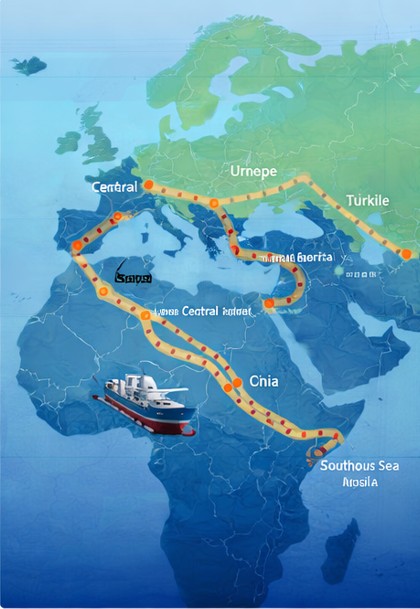
China's recent establishment of a transport corridor promises to reshape the trade landscape of Eurasia, enhancing logistics and fostering increased connectivity across the region. This initiative is part of China's broader strategy to bolster its economic influence and create more efficient supply chains across multiple nations.
Enhancing Connectivity Through Infrastructure
The transport corridor aims to improve infrastructure connections between China and several key economies in Eurasia. By investing in roads, railways, and logistics hubs, this initiative seeks to facilitate smoother transit of goods and services. The new corridor is expected to link China more closely with Central Asia, the Caucasus, and parts of Europe, positioning it as a critical artery for trade.
The infrastructure improvements will not only expedite transportation times but also reduce costs associated with cross-border trade. Enhanced logistics capabilities are seen as a pathway to support regional economies, making it easier for businesses to access new markets. As trade routes are optimized, nations involved can expect to see growth in their economic activities.
Potential Impact on Trade Relations
The corridor is likely to influence existing trade relationships within Eurasia. Countries involved in the initiative may find new opportunities for collaboration, as improved infrastructure enables easier exchange of goods and services. This could lead to the diversification of trade partnerships, as nations look to capitalize on the enhanced connectivity.
Furthermore, the transport corridor could encourage foreign investment in the region. As businesses recognize the potential for more efficient trade routes, they may be more inclined to invest in local markets. This influx of investment could stimulate economic growth, creating jobs and fostering innovation in various sectors.
While the corridor presents numerous opportunities, it also raises questions about how it will alter existing trade dynamics. The effects on local economies and current trade agreements will need to be monitored closely as the corridor becomes operational.
Challenges and Considerations
Despite the promising outlook of the new transport corridor, several challenges remain. The integration of different national regulations and standards could complicate logistics operations. Countries along the trade route may have varying customs procedures and requirements, which could lead to delays and increased costs if not addressed effectively.
Moreover, geopolitical factors must be taken into account. The corridor traverses regions with complex political landscapes, and cooperation among the involved nations will be essential for the success of this initiative. Tensions or conflicts could hinder the progress of infrastructure projects or disrupt trade flows.
Environmental concerns also arise in relation to large-scale infrastructure projects. Sustainable development practices will be crucial to ensure that the benefits of the corridor do not come at the expense of ecological health. Balancing economic growth with environmental stewardship will require careful planning and cooperation among stakeholders.
In conclusion, China's new transport corridor represents a significant shift in Eurasia's trade map, promising improved infrastructure, enhanced connectivity, and new opportunities for economic collaboration. However, the successful realization of these benefits will depend on addressing logistical challenges, managing geopolitical dynamics, and prioritizing sustainable practices. As the corridor develops, its impact on regional trade and investment will be closely observed by stakeholders across the globe.
Silk Road Economic Belt Map
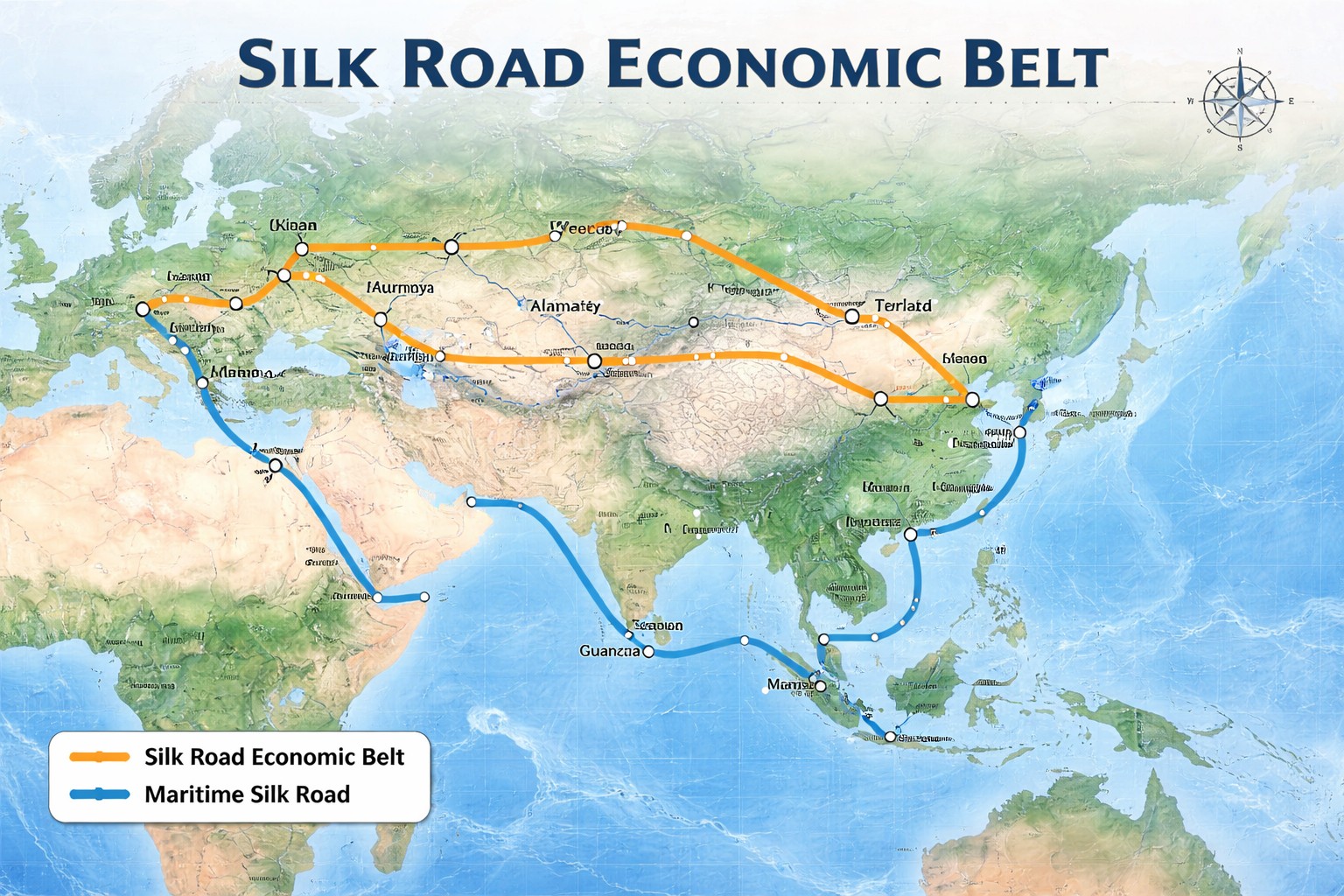
Map overview of Eurasian corridors and trade routes.
Recommended Resources
This page may contain affiliate links. If you buy through these links, we may earn a commission at no extra cost to you.
Logistics & Supply Chain Book
Useful background reading for transport corridors, trade routes, and supply chains.
View ResourceTrade Data Platform
A platform for researching trade flows, customs data, and freight trends.
Open PlatformBusiness Travel Insurance
Optional partner offer for readers traveling across Eurasia for business.
Check Offer