
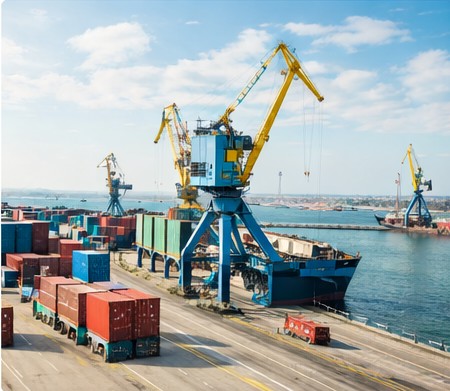





In a recent report, China has showcased a notable increase in trade and investment with nations participating in the Belt and Road Initiative (BRI). The data, released by Xinhua News Agency, underscores the ongoing economic collaboration between China and its BRI partners, emphasizing the importance of infrastructure development and logistical enhancements in driving this growth.
Trade Volume Sees Significant Increase
According to the report, China's trade volume with Belt and Road countries has reached impressive levels, reflecting a strong partnership in various sectors. The statistics indicate that the total trade between China and these nations has seen a year-on-year increase, highlighting resilience in economic ties despite global challenges.
The BRI, launched in 2013, aims to enhance connectivity and cooperation among countries across Asia, Europe, and Africa. This initiative facilitates trade by improving infrastructure, which is crucial for the seamless movement of goods. The recent figures suggest that investments in transportation networks, such as railways and ports, are beginning to yield positive results.
Infrastructure Investment Underpins Growth
Infrastructure development remains a cornerstone of China's strategy in the Belt and Road Initiative. Investments have been directed towards building roads, railways, and ports, which are essential for enhancing trade routes. These projects not only create jobs but also stimulate local economies in partner countries.
Chinese companies have been actively involved in constructing significant infrastructure projects in various BRI nations. These investments are designed to improve logistical capabilities, thereby reducing transportation costs and increasing the efficiency of trade. The report indicates that many of these projects are progressing well, contributing to the overall economic growth of the participating countries.
Expanding Economic Partnerships
In addition to infrastructure, China's financial investments in Belt and Road countries have also expanded. The report highlights that Chinese companies are increasingly engaging in sectors such as energy, telecommunications, and agriculture in these regions. This diversification of investments is aimed at fostering sustainable economic partnerships.
Moreover, the establishment of economic corridors as part of the Belt and Road Initiative is facilitating greater trade flows and investment opportunities. These corridors are designed to connect key cities and regions, enhancing both physical and digital connectivity. As a result, businesses in BRI nations are benefiting from improved access to Chinese markets and vice versa.
China's approach to fostering economic ties through the Belt and Road Initiative is seen as a long-term strategy to enhance mutual benefits and promote development in partner countries. While challenges remain, such as geopolitical tensions and differing regulatory environments, the overall trajectory indicates a commitment to strengthening these relationships.
In conclusion, China's report on trade and investment with Belt and Road countries illustrates a robust economic engagement characterized by significant growth in both sectors. Through ongoing infrastructure development and expanding partnerships, China aims to reinforce its role as a key player in the Eurasian economic landscape. As these initiatives progress, the potential for enhanced connectivity and mutual growth remains a focal point for all parties involved.
Silk Road Economic Belt Map
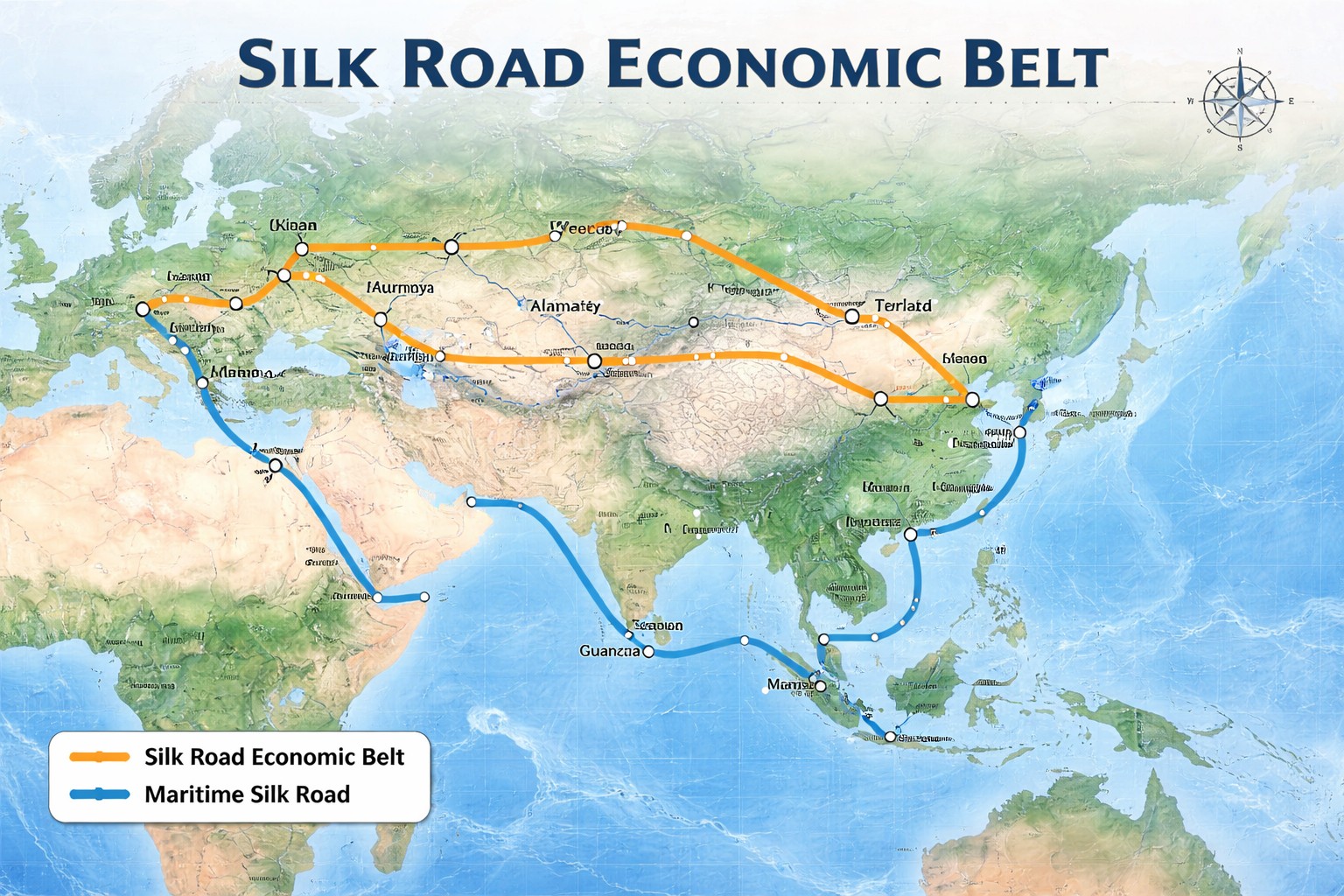
Map overview of Eurasian corridors and trade routes.
Recommended Resources
This page may contain affiliate links. If you buy through these links, we may earn a commission at no extra cost to you.
Logistics & Supply Chain Book
Useful background reading for transport corridors, trade routes, and supply chains.
View ResourceTrade Data Platform
A platform for researching trade flows, customs data, and freight trends.
Open PlatformBusiness Travel Insurance
Optional partner offer for readers traveling across Eurasia for business.
Check Offer