
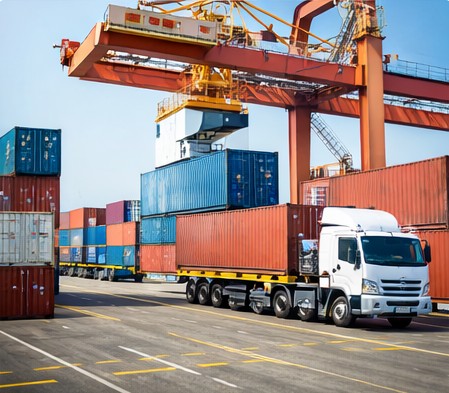





Groundbreaking Ceremony Marks New Phase in Trade Relations
A significant development in Sino-Pakistani trade relations took place recently with the groundbreaking of a logistics complex in Xinjiang, China. This initiative is designed to bolster the infrastructure supporting trade and logistics between the two nations, aligning with broader economic cooperation under the China-Pakistan Economic Corridor (CPEC) framework.
The complex is expected to play a pivotal role in facilitating the movement of goods between China and Pakistan, especially given Xinjiang's strategic position as a gateway for trade routes connecting Central Asia and beyond. Officials from both countries attended the groundbreaking ceremony, underscoring the importance of this project in enhancing bilateral economic ties.
Infrastructure Development in Xinjiang
Xinjiang, a region rich in resources and strategically located, has been at the forefront of China's efforts to expand its economic influence through the Silk Road Economic Belt initiative. The logistics complex is anticipated to provide essential services such as warehousing, transportation, and customs clearance, which will enhance the efficiency of trade operations.
Local authorities have emphasized that the complex will not only serve Chinese and Pakistani businesses but also attract investments from other countries interested in accessing the lucrative markets in South Asia and Europe. The development aims to create a more efficient logistics network that can reduce transit times and costs, thus benefiting traders on both sides of the border.
Enhancing Connectivity and Trade Efficiency
The establishment of the logistics complex is part of a broader strategy to improve connectivity across the region. This initiative aligns with China's ongoing efforts to enhance infrastructure through various projects that aim to create seamless trade corridors. By improving logistics capabilities, this complex is expected to support a range of industries, including agriculture, textiles, and manufacturing.
Moreover, the project is likely to generate employment opportunities in Xinjiang, contributing to local economic development. As construction progresses, the collaboration between Chinese and Pakistani firms will be instrumental in ensuring that the complex meets modern logistical standards and can effectively handle the expected volume of trade.
In addition to its logistical advantages, the complex could also serve as a model for future developments in other regions involved in the Silk Road Economic Belt, demonstrating the potential for regional cooperation in infrastructure investment.
As this logistics complex takes shape, it represents a crucial step in fostering a more integrated economic relationship between China and Pakistan, while also advancing the broader objectives of the Belt and Road Initiative. Through enhanced connectivity, both nations hope to realize the full potential of their trade relations and contribute to regional stability and growth.
In conclusion, the groundbreaking of the China-Pakistan logistics complex in Xinjiang marks an important milestone in the ongoing collaboration between the two nations. By improving infrastructure and streamlining trade processes, this project aims to facilitate increased economic activity and strengthen ties in the region. The successful implementation of this complex could set a precedent for future infrastructure initiatives under the Silk Road Economic Belt framework.
Recommended Resources
This page may contain affiliate links. If you buy through these links, we may earn a commission at no extra cost to you.
Logistics & Supply Chain Book
Useful background reading for transport corridors, trade routes, and supply chains.
View ResourceTrade Data Platform
A platform for researching trade flows, customs data, and freight trends.
Open PlatformBusiness Travel Insurance
Optional partner offer for readers traveling across Eurasia for business.
Check Offer