
---
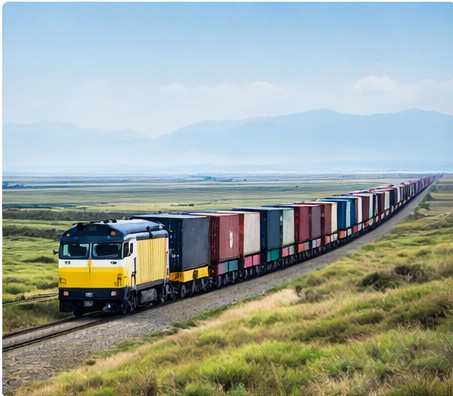
The recent inauguration of the China-Kyrgyzstan-Uzbekistan railway marks a significant milestone in enhancing regional connectivity in Central Asia. The project is designed to streamline logistics and trade routes, potentially transforming the economic landscape of the involved nations.
Boosting Trade Opportunities
This railway line is anticipated to facilitate smoother transportation of goods between China and Central Asia. By linking Xinjiang Province in China with key cities in Kyrgyzstan and Uzbekistan, the railway is set to reduce travel time for cargo transport, thereby enhancing trade efficiency.
The project is part of China's broader Belt and Road Initiative (BRI), which aims to establish a network of trade routes connecting Asia with Europe and beyond. By improving infrastructure, the railway will not only benefit China but also provide Kyrgyzstan and Uzbekistan with increased access to international markets. This could lead to a rise in exports for both nations, particularly in sectors like textiles, agriculture, and minerals.
Enhancing Regional Connectivity
The railway's construction is seen as a vital step toward improving regional connectivity among Central Asian countries. In a region marked by diverse geography and varying economic conditions, efficient transportation infrastructure is crucial for fostering collaboration and development.
Kyrgyzstan and Uzbekistan stand to gain significantly from this railway project. The increased connectivity will allow for more efficient movement of goods and services, contributing to economic growth. Additionally, it may encourage foreign investment in these regions, as improved logistics often attract businesses seeking reliable supply chains.
The railway is also expected to facilitate greater people-to-people exchanges, promoting cultural ties among the nations involved. Enhanced connectivity can lead to more tourism opportunities, as travelers find it easier to explore the rich history and landscapes of Central Asia.
Investment and Future Prospects
The construction of the railway has involved substantial investment and collaboration among the three nations. Chinese companies have played a key role in financing and building the infrastructure, reflecting China's commitment to fostering economic ties in the region. This investment not only provides the necessary capital for development but also brings in expertise in railway construction and management.
Looking ahead, the success of the China-Kyrgyzstan-Uzbekistan railway will depend on several factors, including operational efficiency and maintenance. For the railway to achieve its intended goals, it will be crucial for the three countries to work together in managing the logistics and ensuring a seamless flow of goods.
Furthermore, the railway's impact could extend beyond the immediate countries involved. As Central Asia continues to play a strategic role in international trade routes, enhancements in regional infrastructure could attract further investment from other nations and multilateral organizations interested in the region's economic potential.
In conclusion, the China-Kyrgyzstan-Uzbekistan railway represents a significant advancement in regional connectivity, with the potential to reshape trade dynamics in Central Asia. As the nations involved capitalize on this infrastructure, the project could serve as a model for further collaboration and development in the region.
Recommended Resources
This page may contain affiliate links. If you buy through these links, we may earn a commission at no extra cost to you.
Logistics & Supply Chain Book
Useful background reading for transport corridors, trade routes, and supply chains.
View ResourceTrade Data Platform
A platform for researching trade flows, customs data, and freight trends.
Open PlatformBusiness Travel Insurance
Optional partner offer for readers traveling across Eurasia for business.
Check Offer