
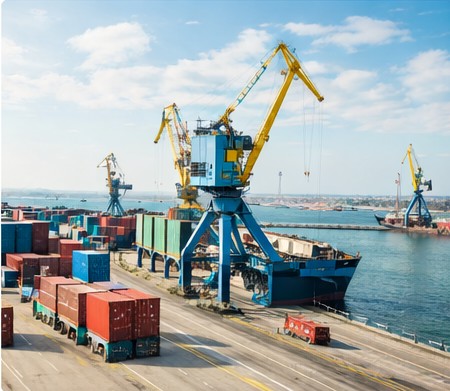





The China-Kyrgyzstan-Uzbekistan project, a significant undertaking aimed at reshaping the transport landscape of Eurasia, has garnered attention from regional leaders and international observers alike. In a recent statement, the President of Kyrgyzstan highlighted the project’s potential to enhance infrastructure, logistics, and trade capacity within the region. As the initiative progresses, it is expected to foster closer economic ties between Central Asian nations and China, creating a more integrated transport corridor.
Enhancing Regional Connectivity
The project is designed to establish a seamless transport link between China, Kyrgyzstan, and Uzbekistan, thereby improving the flow of goods and services across these borders. This connectivity is particularly crucial for landlocked countries like Kyrgyzstan and Uzbekistan, which rely heavily on efficient transport routes for trade.
The initiative will likely involve the construction and upgrading of roads, railways, and logistics hubs. Enhanced infrastructure not only facilitates trade but also encourages foreign investment in the region. As infrastructure improves, the cost of transportation is expected to decrease, making it easier for businesses to access new markets.
Moreover, the project aligns with China's broader Belt and Road Initiative (BRI), which seeks to enhance global trade routes and economic collaboration. By participating in this project, Kyrgyzstan and Uzbekistan are positioning themselves as critical players in the evolving trade dynamics of Eurasia.
Economic Opportunities and Challenges
While the project presents numerous economic opportunities, it also comes with challenges that must be addressed. One of the primary concerns is the need for adequate financing to support infrastructure development. Governments and private investors will need to collaborate to secure the necessary funding for the project’s various components.
Additionally, the successful implementation of the project will require efficient coordination among the participating countries. This includes aligning policies, regulations, and standards to ensure smooth operations across borders. Potential bureaucratic hurdles may arise if there is a lack of cooperation or misalignment of national interests.
The Kyrgyz President emphasized the importance of fostering a collaborative environment among the nations involved in the project. By working together, these countries can maximize the benefits of enhanced connectivity and trade.
Implications for Trade and Investment
The anticipated improvements in transport and logistics are expected to have far-reaching implications for trade and investment in the region. Businesses in Kyrgyzstan and Uzbekistan could benefit from expanded access to Chinese markets, while Chinese companies may find new opportunities for investment in Central Asia.
Furthermore, a more integrated transport network may attract attention from global investors looking to tap into the growing markets of Central Asia. The ease of moving goods across borders could enhance the region's attractiveness as a trade hub, fostering economic growth and job creation.
However, stakeholders must remain cognizant of the geopolitical landscape and the varying interests of external powers in the region. The dynamics of international relations could influence the success and sustainability of the project.
As the China-Kyrgyzstan-Uzbekistan project moves forward, it will be essential for all parties involved to monitor progress closely and address any emerging challenges. The successful realization of this initiative could lead to a more interconnected and prosperous Eurasia, with improved trade routes benefitting not only the immediate countries involved but also the broader region.
In conclusion, the China-Kyrgyzstan-Uzbekistan project holds the potential to significantly transform the transport architecture of Eurasia. Through enhanced connectivity, it aims to foster economic collaboration, trade growth, and investment opportunities. However, careful planning and cooperation among the involved nations will be critical to overcoming challenges and ensuring the project's long-term success.
Recommended Resources
This page may contain affiliate links. If you buy through these links, we may earn a commission at no extra cost to you.
Logistics & Supply Chain Book
Useful background reading for transport corridors, trade routes, and supply chains.
View ResourceTrade Data Platform
A platform for researching trade flows, customs data, and freight trends.
Open PlatformBusiness Travel Insurance
Optional partner offer for readers traveling across Eurasia for business.
Check Offer