
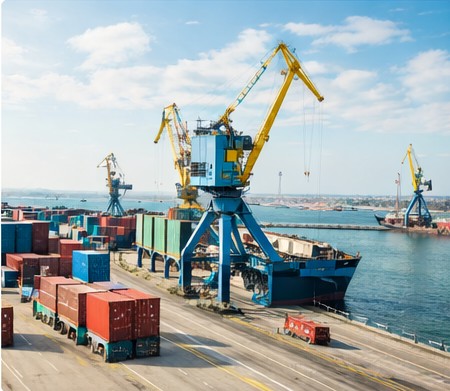





China has recently announced that its westernmost border port will operate around the clock, a strategic move designed to enhance trade with Central Asian countries. This initiative reflects China's ongoing commitment to strengthening its economic ties in the region through improved infrastructure and logistics.
Enhancing Trade Connectivity
The port, located in Xinjiang Uygur Autonomous Region, serves as a critical gateway for trade between China and Central Asia. By shifting to 24-hour operations, authorities aim to streamline logistics and reduce delays in the movement of goods. This decision comes at a time when trade volumes in the region are expected to increase, driven by both regional demand and broader economic initiatives.
Officials from the Xinjiang government indicated that the extended operational hours are intended to facilitate more efficient customs checks and expedite cargo processing. This increased efficiency is crucial for businesses that rely on timely deliveries, particularly in sectors such as agriculture, textiles, and mining.
The port's enhanced operational capacity is expected to attract more freight traffic, further solidifying its role as a vital hub for trade in the Eurasian region. The move aligns with China's broader Belt and Road Initiative, which seeks to promote infrastructure development and economic cooperation across Asia and beyond.
Infrastructure Development
The expansion of the port’s operational hours is part of a larger trend of infrastructure investment in Xinjiang. Over the past few years, China has invested heavily in upgrading transportation networks, including railways and highways, to facilitate smoother trade routes. This infrastructure development is critical for enhancing connectivity not just with Central Asia, but also with other regions.
Recent upgrades to the port facilities include the installation of advanced customs technology and the expansion of warehousing capabilities. These improvements are designed to accommodate a higher volume of goods while ensuring compliance with international trade regulations.
The focus on infrastructure is also seen as a means to boost local economies. Increased trade activity is expected to create jobs and stimulate economic growth in Xinjiang, which has historically faced economic challenges. By improving trade routes, the Chinese government aims to promote stability and development in the region.
Regional Trade Dynamics
China's decision to operate its westernmost border port 24/7 is also a response to changing trade dynamics in Central Asia. Countries in the region are increasingly looking to diversify their trade partners and enhance their economic integration with larger markets. As a result, the demand for efficient logistics solutions has grown.
Central Asian nations, including Kazakhstan, Kyrgyzstan, and Tajikistan, are looking to strengthen their trade links with China, which has become one of their largest trading partners. The improved operational capacity of the port is expected to facilitate cross-border trade and encourage investments from Chinese companies into local industries.
Moreover, the continuous operation of the port may enhance the competitiveness of Central Asian goods in international markets. By reducing transportation times and costs, businesses in these countries can better position themselves in the global supply chain.
In addition to benefiting trade, the increased cooperation between China and Central Asian countries may lead to broader economic partnerships. This includes potential collaborations in sectors such as energy, agriculture, and technology, further integrating the economies of the region.
In conclusion, China's initiative to operate its westernmost border port 24/7 marks a significant step towards enhancing trade relations with Central Asia. By focusing on infrastructure and logistics improvements, China aims to facilitate smoother trade processes and foster economic growth in the region. As this initiative unfolds, it will be essential to monitor its impact on local economies and regional trade dynamics.
Recommended Resources
This page may contain affiliate links. If you buy through these links, we may earn a commission at no extra cost to you.
Logistics & Supply Chain Book
Useful background reading for transport corridors, trade routes, and supply chains.
View ResourceTrade Data Platform
A platform for researching trade flows, customs data, and freight trends.
Open PlatformBusiness Travel Insurance
Optional partner offer for readers traveling across Eurasia for business.
Check Offer