
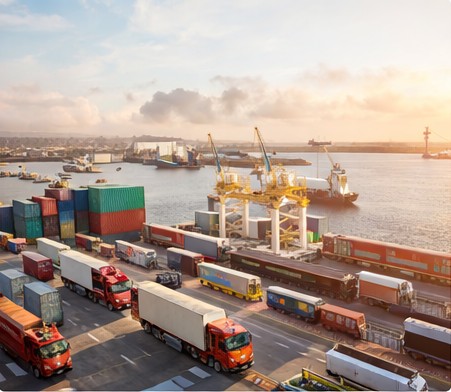





China's influence in the Kyrgyz economy continues to expand, with projections indicating that nearly half of the foreign direct investment (FDI) in Kyrgyzstan will originate from Chinese sources by the year 2025. This development is indicative of China's growing economic footprint in Central Asia, particularly as part of its Belt and Road Initiative (BRI).
Surge in Foreign Direct Investment
According to recent analyses, foreign direct investment in Kyrgyzstan has experienced a significant uptick, with Chinese investments playing a pivotal role in this growth. In 2025, it is anticipated that approximately 45% of all FDI in Kyrgyzstan will come from Chinese enterprises. This marks a notable increase from previous years, reflecting both the strategic importance of Kyrgyzstan within the BRI framework and the strengthening economic ties between the two nations.
Kyrgyzstan's strategic location as a gateway to Central Asia offers unique advantages for foreign investors. With its proximity to major trade routes and its role as a transit hub, Kyrgyzstan has become increasingly attractive for investment in infrastructure and logistics sectors. Chinese firms have been particularly active in these domains, establishing projects that align with the broader objectives of the BRI.
Infrastructure Development Initiatives
Chinese investment has largely focused on enhancing Kyrgyzstan's infrastructure capabilities. Key projects include the construction of roads, bridges, and energy facilities, which are essential for improving the nation’s connectivity and economic prospects. These infrastructure developments not only facilitate trade within Kyrgyzstan but also bolster links with neighboring countries, thereby integrating the Kyrgyz economy into the larger regional market.
The ongoing projects are expected to enhance transportation efficiencies, reduce logistical costs, and open new avenues for trade. For instance, upgrades to the road networks will likely improve access to rural areas, enabling local producers to reach broader markets. Additionally, investments in energy infrastructure are aimed at addressing chronic power shortages in the region, which has impeded economic growth.
Trade Relations and Economic Impact
The burgeoning trade relationship between China and Kyrgyzstan is also a significant factor in the increasing FDI. Kyrgyzstan exports a variety of goods to China, including agricultural products and raw materials, while importing machinery, electronics, and consumer goods. This reciprocal trade dynamic has created a robust economic relationship that is expected to deepen in the coming years.
The economic impact of this investment influx is multifaceted. On one hand, it presents opportunities for job creation and skill development within Kyrgyzstan. On the other hand, concerns have been raised regarding the potential over-reliance on Chinese investment and the implications for local businesses. As the government seeks to balance foreign investment with domestic economic growth, careful management of these relationships will be crucial.
In summary, with nearly half of its foreign direct investment expected to come from China by 2025, Kyrgyzstan stands at a pivotal juncture in its economic development. The focus on infrastructure and trade relations positions the country to benefit from increased connectivity and investment, but it also necessitates a strategic approach to ensure sustainable growth. As both nations navigate this evolving landscape, the outcomes will be closely watched by stakeholders across the region.
Recommended Resources
This page may contain affiliate links. If you buy through these links, we may earn a commission at no extra cost to you.
Logistics & Supply Chain Book
Useful background reading for transport corridors, trade routes, and supply chains.
View ResourceTrade Data Platform
A platform for researching trade flows, customs data, and freight trends.
Open PlatformBusiness Travel Insurance
Optional partner offer for readers traveling across Eurasia for business.
Check Offer