
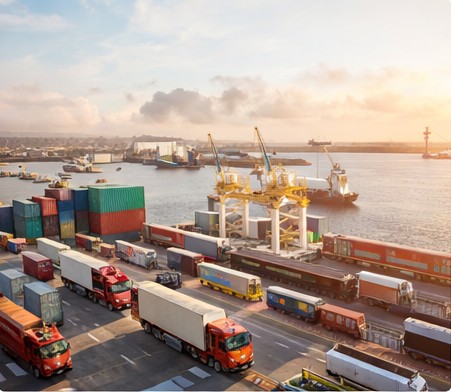





China has reaffirmed its commitment to boosting investments in Central Asia during a recent summit, signaling its ongoing engagement in the region's economic development. The discussions highlighted a shared vision for enhanced cooperation in infrastructure, logistics, and trade, which are critical components of China’s broader Belt and Road Initiative (BRI).
Strengthening Economic Ties
At the summit, Chinese officials emphasized the importance of strengthening economic ties with Central Asian nations. The region has been a focal point for China as it seeks to expand its influence and secure vital trade routes through the BRI. This initiative aims to enhance connectivity and foster economic development across Eurasia.
Chinese President Xi Jinping announced plans for increased investment in various sectors, including transportation, energy, and technology. These investments are seen as vital for improving regional infrastructure, which is often underdeveloped compared to global standards.
Central Asian leaders responded positively, expressing their appreciation for China's support. They reiterated their commitment to cooperating with China to create a robust economic framework that benefits all parties involved. This collaborative approach is expected to lead to the development of new projects that will boost trade and investment flows within the region.
Infrastructure Development Initiatives
A significant aspect of China's proposed investment involves infrastructure development. Many Central Asian countries face challenges with their transportation networks and energy supply systems. Improved infrastructure is essential for enhancing trade connectivity not only within the region but also with major global markets.
During the summit, specific projects were discussed, including the construction of highways, railroads, and energy pipelines. These initiatives aim to facilitate smoother logistics and transportation, ultimately contributing to increased trade volumes. The focus on infrastructure aligns with China's long-term strategy of creating a seamless economic corridor that connects Asia with Europe.
Furthermore, the investments in energy infrastructure are particularly noteworthy. Central Asia is rich in natural resources, and Chinese investment could help unlock these resources for regional and global markets. By enhancing energy distribution networks, China seeks to ensure a reliable supply for its domestic needs while also providing stability in the region.
Trade Expansion Opportunities
The summit also served as a platform for discussing trade expansion opportunities between China and Central Asian countries. The region plays a crucial role in the supply chain for several industries, including agriculture, textiles, and mining. Strengthening trade relationships can create a mutually beneficial ecosystem that enhances economic resilience.
To facilitate trade, China is expected to invest in customs modernization and logistics technologies. These improvements are aimed at reducing trade barriers and streamlining processes for exporters and importers alike. The potential for increased trade is significant, as Central Asian countries look to diversify their economies and reduce dependency on traditional markets.
In addition, the discussions included the potential for establishing free trade agreements that would further enhance economic cooperation. Such agreements could attract more foreign investment and promote local businesses, thereby contributing to sustainable economic growth in the region.
In summary, China’s commitment to increased investment in Central Asia highlights the importance of the region in its broader economic strategy. By focusing on infrastructure and trade development, China aims to solidify its influence while also supporting the economic aspirations of Central Asian nations. As the region continues to evolve, these investments could pave the way for a more integrated and prosperous future for all involved parties.
Recommended Resources
This page may contain affiliate links. If you buy through these links, we may earn a commission at no extra cost to you.
Logistics & Supply Chain Book
Useful background reading for transport corridors, trade routes, and supply chains.
View ResourceTrade Data Platform
A platform for researching trade flows, customs data, and freight trends.
Open PlatformBusiness Travel Insurance
Optional partner offer for readers traveling across Eurasia for business.
Check Offer