
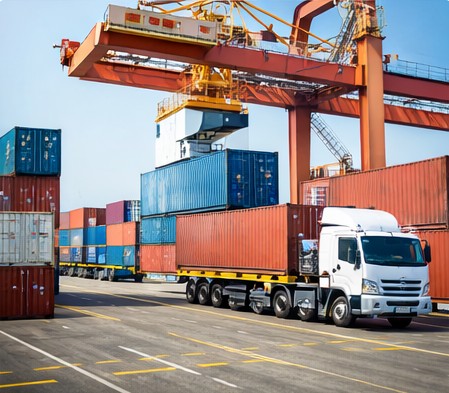





The economic ties between China and Central Asia continue to strengthen, with recent initiatives focusing on logistics and new energy projects. This collaboration aims to enhance trade routes, improve infrastructure, and promote sustainable energy solutions across the region.
Expanding Logistics Networks
In recent months, the logistics infrastructure linking China and Central Asian countries has seen significant upgrades. This includes the modernization of railways and highways, which are critical for facilitating trade between the regions. Enhanced connectivity is expected to lower transportation costs and improve efficiency in the movement of goods.
China's investment in logistics has been particularly pronounced. Major infrastructure projects, such as the construction of new freight terminals and the expansion of customs facilities, are underway. These developments are designed to streamline cross-border trade, making it easier for businesses to operate in both regions.
The Belt and Road Initiative (BRI) has played a crucial role in these logistics enhancements. By fostering collaboration between Chinese enterprises and Central Asian counterparts, the BRI is paving the way for a more integrated economic landscape. This cooperation is expected to foster greater regional stability and economic growth.
Focus on New Energy Solutions
In addition to logistics, new energy cooperation is becoming a focal point in China-Central Asia relations. As the global demand for sustainable energy sources rises, both parties are exploring opportunities to develop renewable energy projects.
China has expressed its commitment to invest in solar and wind energy initiatives in Central Asia. These projects aim to harness the region's abundant natural resources while providing cleaner energy options. The collaboration is viewed as a strategic move to diversify energy supplies and reduce reliance on fossil fuels.
Moreover, Central Asian countries are looking to benefit from Chinese technology and expertise in renewable energy. Joint ventures and partnerships are being established to facilitate knowledge transfer and capacity building in the energy sector. This cooperation not only addresses energy needs but also aligns with global sustainability goals.
Trade and Investment Growth
The deepening economic ties between China and Central Asia are also reflected in increasing trade and investment flows. Bilateral trade has seen a steady rise, with both sides actively seeking to expand their markets. Central Asian nations are particularly keen to export natural resources and agricultural products to China, which remains a significant consumer market.
Investment from China is crucial for the economic development of Central Asia. Chinese firms are engaging in various sectors, including mining, agriculture, and construction. This influx of investment is expected to generate job opportunities and boost local economies.
To facilitate trade, both regions are working to enhance regulatory frameworks and reduce trade barriers. Efforts are being made to simplify customs procedures and improve transparency, which is vital for attracting foreign investment.
In conclusion, the collaboration between China and Central Asia is poised for further growth. The focus on logistics and new energy reflects a strategic alignment that addresses both economic and environmental challenges. As investments continue to flow and infrastructure projects progress, the prospects for enhanced cooperation appear promising.
Recommended Resources
This page may contain affiliate links. If you buy through these links, we may earn a commission at no extra cost to you.
Logistics & Supply Chain Book
Useful background reading for transport corridors, trade routes, and supply chains.
View ResourceTrade Data Platform
A platform for researching trade flows, customs data, and freight trends.
Open PlatformBusiness Travel Insurance
Optional partner offer for readers traveling across Eurasia for business.
Check Offer