
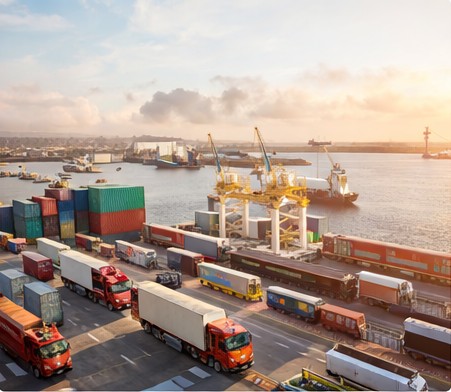





Infrastructure Development Initiatives
Recent reports highlight a notable increase in collaborative efforts between China and Central Asian nations, particularly in the realm of infrastructure development. Major projects in transportation, energy, and telecommunications are underway, fostering greater connectivity across the region.
The Belt and Road Initiative (BRI), launched by China in 2013, has been a cornerstone of this cooperation. Several rail and road networks are being constructed to enhance trade routes linking China to Central Asia and beyond. For instance, the Khorgos Gateway, located on the China-Kazakhstan border, has emerged as a vital logistics hub, facilitating the flow of goods between Asia and Europe.
Furthermore, various energy projects are also being realized. Chinese investments in the energy sector, including oil pipelines and power plants, are pivotal for Central Asian countries looking to diversify their energy sources and improve domestic energy security.
E-Commerce Expansion
In addition to infrastructure projects, the e-commerce sector is witnessing significant growth as part of the strengthened China-Central Asia relationship. With a burgeoning digital economy, Central Asian countries are increasingly engaging in cross-border e-commerce, providing new avenues for trade.
Chinese e-commerce giants are exploring opportunities in these markets, leveraging local platforms to facilitate transactions. This shift not only enhances consumer access to goods but also provides local businesses with access to a broader market. Such collaborations indicate a mutual benefit, with Chinese companies gaining footholds in emerging markets while Central Asian firms tap into the vast Chinese consumer base.
The rise of digital payment systems and logistics solutions is further supporting this growth. As infrastructure improves, the efficiency of e-commerce operations is expected to increase, creating a more conducive environment for trade.
Trade and Investment Opportunities
The deepening China-Central Asia partnership is also reflected in the growing trade and investment opportunities between the regions. Data indicates that trade volumes have seen a steady increase, with both sides exploring ways to enhance economic ties.
Investment from China is directed not only towards infrastructure and e-commerce but also into other sectors such as agriculture and technology. These investments aim to support sustainable development in Central Asia, ensuring that local economies can thrive alongside Chinese business interests.
Furthermore, the establishment of free trade agreements and economic zones is fostering a more favorable trading environment. These initiatives are designed to reduce barriers and encourage mutual investments, benefiting both regions.
The commitment to enhance trade relations is evident in various forums and summits where leaders from China and Central Asian countries convene to discuss strategies for economic cooperation. These meetings signify a collective ambition to strengthen economic resilience and address shared challenges.
Conclusion
The evolving collaboration between China and Central Asia marks a significant chapter in the economic landscape of Eurasia. From infrastructure development to the burgeoning e-commerce sector, both regions are poised to benefit from enhanced cooperation. As projects continue to unfold and trade relations deepen, the partnership is likely to play a crucial role in shaping the future economic dynamics of the Silk Road Economic Belt.
Recommended Resources
This page may contain affiliate links. If you buy through these links, we may earn a commission at no extra cost to you.
Logistics & Supply Chain Book
Useful background reading for transport corridors, trade routes, and supply chains.
View ResourceTrade Data Platform
A platform for researching trade flows, customs data, and freight trends.
Open PlatformBusiness Travel Insurance
Optional partner offer for readers traveling across Eurasia for business.
Check Offer