
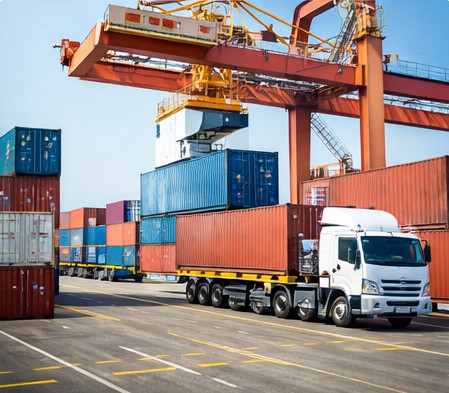





Strengthening Infrastructure Networks
In recent months, the collaboration between China and Central Asian nations has intensified, particularly in the areas of logistics and infrastructure. This partnership is largely driven by the Belt and Road Initiative (BRI), which aims to enhance connectivity throughout Eurasia.
China has been actively involved in constructing and upgrading transport routes that link its western regions to Central Asia. This includes the development of railways, highways, and border checkpoints, which facilitate smoother trade flows. Several projects are currently underway, with the intention of reducing transit times and costs for goods transported across this vital region.
Central Asian countries, including Kazakhstan, Uzbekistan, and Kyrgyzstan, have expressed interest in enhancing their logistical capabilities. By improving their transport infrastructure, these nations aim to position themselves as key transit hubs in the broader Eurasian trade network. This cooperative effort is expected to bolster economic growth and attract foreign investment.
Expanding Energy Cooperation
Beyond logistics, energy cooperation has emerged as a focal point of China-Central Asia relations. Central Asia is rich in natural resources, including oil and gas, making it an attractive partner for China's energy needs. Collaborations on energy projects have been steadily increasing, with both sides seeking to secure a stable energy supply.
Recent discussions have centered around the development of renewable energy sources, reflecting a global shift towards sustainable practices. China has made significant investments in solar and wind energy projects across Central Asia. These initiatives not only contribute to energy diversification for both regions but also align with China's broader environmental goals.
Moreover, the construction of new pipelines is underway to facilitate the transportation of natural gas from Central Asia to China. These projects are expected to enhance energy security and create a more integrated energy market between the two regions.
Trade Relations and Economic Growth
The deepening cooperation between China and Central Asia has yielded positive results in trade relations. In the past year, there has been a noticeable increase in bilateral trade volume, reflecting the benefits of improved logistics and infrastructure. As trade routes become more efficient, businesses in both regions are finding new opportunities for collaboration.
Central Asian countries are eager to diversify their economies and reduce reliance on traditional markets. By partnering with China, they can access larger markets and leverage China's manufacturing capabilities. This economic diversification is crucial for long-term stability and growth in the region.
In addition to traditional trade, there is growing interest in digital trade and e-commerce. Initiatives aimed at enhancing digital connectivity are being explored, which could further strengthen economic ties and facilitate smoother transactions between Chinese and Central Asian businesses.
Conclusion
The evolving landscape of China-Central Asia cooperation highlights the significance of infrastructure and energy collaboration in promoting regional development. As both sides continue to strengthen their ties through various projects and initiatives, the potential for economic growth and enhanced connectivity remains promising. This partnership not only benefits the economies involved but also plays a vital role in shaping the future of Eurasian trade and investment.
Recommended Resources
This page may contain affiliate links. If you buy through these links, we may earn a commission at no extra cost to you.
Logistics & Supply Chain Book
Useful background reading for transport corridors, trade routes, and supply chains.
View ResourceTrade Data Platform
A platform for researching trade flows, customs data, and freight trends.
Open PlatformBusiness Travel Insurance
Optional partner offer for readers traveling across Eurasia for business.
Check Offer