





---
Strategic Importance of the Iraq-Turkiye Corridor
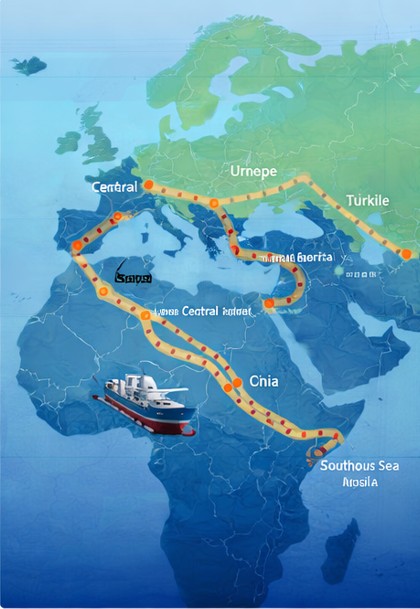
China's renewed interest in the Iraq-Turkiye corridor is part of its broader strategy to enhance trade and connectivity across Eurasia. This corridor, linking the Middle East to Europe, presents significant potential for improving logistics and transportation networks, which are critical for facilitating trade.
The initiative aligns with China's Belt and Road Initiative (BRI), which aims to create a modern Silk Road by investing in infrastructure projects that connect various regions. The Iraq-Turkiye corridor is seen as a vital link in this network, offering a route for goods to flow between China, the Middle East, and Europe.
This corridor is not only strategically located but also offers a more direct path for trade, reducing transit times and costs. With Iraq's rich natural resources and Turkiye's logistical capabilities, the collaboration between these two nations could prove beneficial for all parties involved.
Infrastructure Developments and Investments
Recent discussions between Chinese officials and their Iraqi and Turkish counterparts have focused on enhancing infrastructure along the corridor. Investments in roads, railways, and ports are crucial for realizing the full potential of this trade route.
China's investments are expected to improve the existing infrastructure, which has been historically underdeveloped. By modernizing transportation networks, China aims to facilitate smoother trade flows and address logistical challenges that have hindered economic cooperation in the region.
Moreover, the development of industrial parks and logistics centers along the corridor is anticipated to attract international businesses seeking access to new markets. These investments could create job opportunities and stimulate local economies, fostering sustainable growth in the region.
Challenges and Considerations
While the Iraq-Turkiye corridor presents numerous opportunities, several challenges must be navigated. Political instability in the region poses risks to investment and infrastructure development. Ensuring a stable business environment will be crucial for attracting foreign investments and maintaining confidence in the corridor's viability.
Additionally, the geopolitical landscape in Eurasia is complex, with various nations having vested interests in the region. Cooperation among countries will be essential to address any potential conflicts or tensions that may arise as the corridor develops.
Furthermore, environmental considerations must be taken into account when planning infrastructure projects. Sustainable practices will be necessary to minimize the ecological impact of construction and transportation activities in the region.
Conclusion
China's focus on the Iraq-Turkiye corridor signifies a strategic move to bolster trade and connectivity across Eurasia. By investing in infrastructure and enhancing logistics, China aims to create a streamlined trade route that benefits multiple stakeholders. However, the successful implementation of this initiative will depend on addressing the political, geopolitical, and environmental challenges that lie ahead. As the project unfolds, it will be crucial for all involved parties to work collaboratively to ensure its long-term success and sustainability.
Silk Road Economic Belt Map
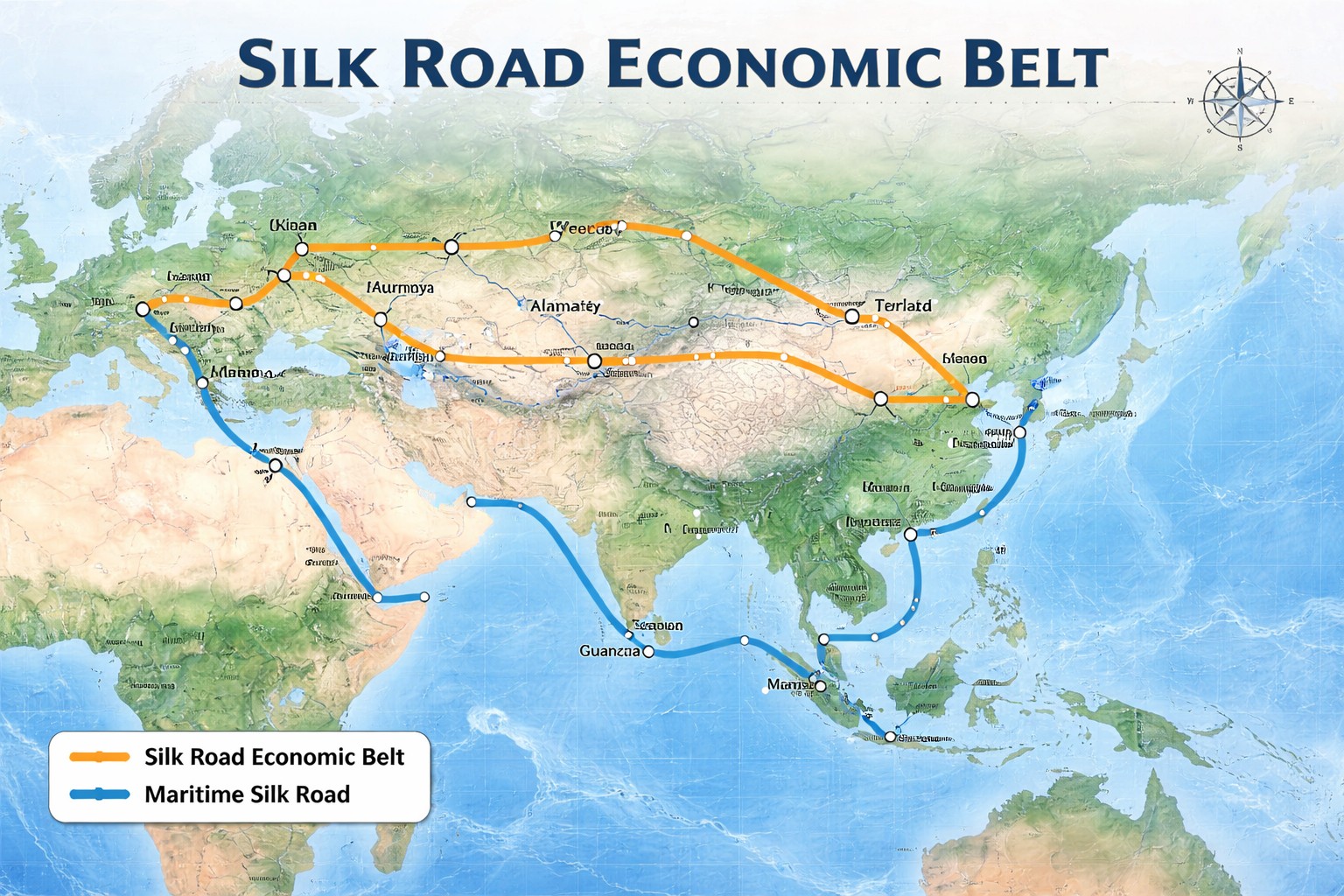
Map overview of Eurasian corridors and trade routes.
Recommended Resources
This page may contain affiliate links. If you buy through these links, we may earn a commission at no extra cost to you.
Logistics & Supply Chain Book
Useful background reading for transport corridors, trade routes, and supply chains.
View ResourceTrade Data Platform
A platform for researching trade flows, customs data, and freight trends.
Open PlatformBusiness Travel Insurance
Optional partner offer for readers traveling across Eurasia for business.
Check Offer