





Strengthening Regional Cooperation
In a significant move to enhance industrial and investment collaboration, China and five Central Asian nations convened for a forum aimed at fostering economic ties. The event, which took place in a strategic location, underscored the commitment of the involved parties to promote mutual development and shared growth.
The participating nations included Kazakhstan, Kyrgyzstan, Tajikistan, Turkmenistan, and Uzbekistan. Together, they represent a vital corridor of the Silk Road Economic Belt, which aims to facilitate trade and investment across Eurasia. The forum served as a platform for discussing various initiatives that could lead to increased cooperation in infrastructure, logistics, and investment.
Focus on Infrastructure and Logistics
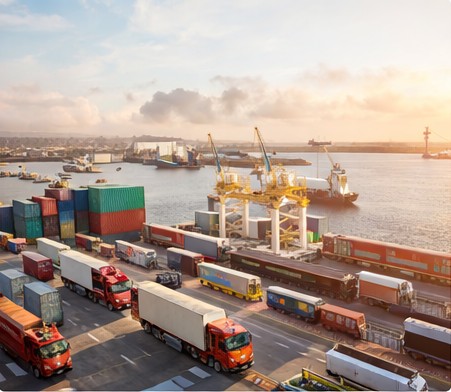
A core theme of the forum was the importance of infrastructure development as a foundation for economic collaboration. The leaders emphasized the need for building and enhancing transportation networks that can effectively connect these nations. Improved logistics capabilities are seen as essential for facilitating trade and reducing the costs associated with cross-border transactions.
Discussions included the potential for joint infrastructure projects, which could benefit from Chinese investment and technological expertise. These projects are expected to not only enhance trade routes but also create jobs and stimulate local economies in the participating countries. The importance of developing sustainable infrastructure was also highlighted, with a focus on projects that align with environmental concerns and long-term economic viability.
Investment Opportunities and Challenges
Investment was another focal point of the forum, as the participating nations explored ways to attract foreign direct investment (FDI) and stimulate domestic investment. China, as one of the world's largest investors, plays a crucial role in shaping the investment landscape in Central Asia. The forum aimed to identify specific sectors that could benefit from increased investment, such as energy, agriculture, and technology.
However, challenges remain. Issues such as regulatory frameworks, political stability, and economic uncertainties were acknowledged as potential barriers to investment. The leaders expressed a collective willingness to address these challenges collaboratively, with an emphasis on creating a more favorable business environment that encourages investment from both domestic and foreign sources.
In addition to addressing challenges, the forum also provided an opportunity for businesses from China and Central Asia to network and explore potential partnerships. By facilitating dialogue between companies, the event aimed to pave the way for future collaborations that could lead to successful business ventures.
Conclusion
The forum between China and five Central Asian nations marks a significant step towards enhancing industrial and investment cooperation. By focusing on infrastructure, logistics, and investment opportunities, the participating countries are working together to create a more interconnected and economically prosperous region. As these nations navigate the complexities of collaboration, their commitment to mutual growth will be essential in realizing the potential of the Silk Road Economic Belt.
Recommended Resources
This page may contain affiliate links. If you buy through these links, we may earn a commission at no extra cost to you.
Logistics & Supply Chain Book
Useful background reading for transport corridors, trade routes, and supply chains.
View ResourceTrade Data Platform
A platform for researching trade flows, customs data, and freight trends.
Open PlatformBusiness Travel Insurance
Optional partner offer for readers traveling across Eurasia for business.
Check Offer