





---
China recently hosted a significant forum aimed at bolstering industrial and investment cooperation with five Central Asian nations. The event underscored the growing importance of collaborative efforts in enhancing infrastructure, trade, and logistics across the region.
Enhancing Economic Collaboration
The forum saw representatives from China and the five Central Asian countries—Kazakhstan, Kyrgyzstan, Tajikistan, Turkmenistan, and Uzbekistan—discuss various strategies to deepen economic ties. The emphasis was on fostering an environment conducive to investment and improving industry standards across sectors.
Chinese officials highlighted the nation’s commitment to supporting Central Asian economies through infrastructure development. This aligns with China's broader Belt and Road Initiative (BRI), which seeks to enhance connectivity and trade across Eurasia. The forum served as a platform to explore joint ventures and partnerships that could lead to more efficient supply chains and logistics networks.
Infrastructure Development as a Priority
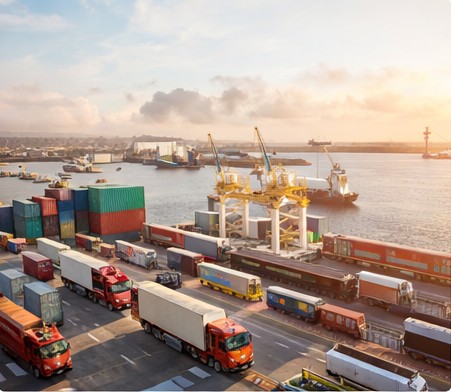
One of the key focal points of the discussions was infrastructure development. Central Asian nations have been actively seeking investment to modernize their transportation and logistics capabilities. Improved infrastructure is critical for facilitating trade and reducing costs for businesses operating in the region.
China has previously invested in various infrastructure projects in Central Asia, including roads, railways, and energy facilities. The leaders at the forum expressed a shared vision of creating a more integrated transport network that would benefit all parties involved. This would not only enhance local economies but also position Central Asia as a crucial hub for trade between Europe and Asia.
Investment Opportunities and Challenges
During the forum, leaders also addressed the potential investment opportunities available in various sectors, including technology, agriculture, and manufacturing. The discussions reflected a mutual interest in diversifying economic activities beyond traditional sectors, which could help mitigate risks associated with economic fluctuations.
However, the challenges of attracting foreign investment were also acknowledged. Factors such as regulatory frameworks, political stability, and market access remain critical considerations for investors. The forum aimed to create a dialogue around these issues, seeking to establish a more favorable investment climate.
The representatives agreed on the necessity of ongoing cooperation and regular dialogue to address these challenges effectively. By fostering a collaborative environment, they aim to create a more robust economic landscape that can withstand global uncertainties.
In conclusion, the recent forum between China and Central Asian nations marks a step forward in strengthening economic ties and enhancing cooperation in industry and investment. As these countries work together to address infrastructure needs and investment challenges, they pave the way for a more integrated and prosperous Eurasian economy.
Recommended Resources
This page may contain affiliate links. If you buy through these links, we may earn a commission at no extra cost to you.
Logistics & Supply Chain Book
Useful background reading for transport corridors, trade routes, and supply chains.
View ResourceTrade Data Platform
A platform for researching trade flows, customs data, and freight trends.
Open PlatformBusiness Travel Insurance
Optional partner offer for readers traveling across Eurasia for business.
Check Offer