
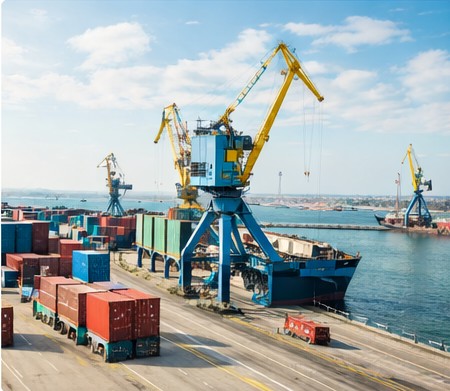





As Central Asia continues to develop its transport infrastructure, analysts from the Eurasian Development Bank (EDB) have noted that this growth places China in a strategic position within the emerging Eurasian connectivity framework. This transformation is seen as a crucial component of regional trade and logistics, potentially reshaping economic relationships across the continent.
Infrastructure Initiatives Driving Connectivity
Central Asia has witnessed significant investments in infrastructure, aimed at enhancing connectivity and facilitating trade routes. Major projects include upgrades to railways, highways, and border facilities, which are crucial for improving the movement of goods and people across this vital region.
These infrastructure initiatives are largely supported by various national governments and international organizations, with a keen focus on integrating Central Asian economies into the broader Eurasian landscape. The region's geographical position, situated between Europe and Asia, offers a unique opportunity for trade, making it an essential nexus for logistics and transport networks.
The EDB analysts have pointed out that the ongoing improvements in transport infrastructure not only benefit Central Asian countries but also align with China's Belt and Road Initiative (BRI). This initiative aims to enhance global trade through the development of trade routes and economic corridors, further solidifying China's role in regional and global supply chains.
Trade Routes and Economic Corridors
The development of new trade routes is becoming increasingly significant as Central Asia seeks to diversify its economic partnerships. The region's strategic location allows it to serve as a bridge between major economies, including China, Russia, and the European Union.
China's investment in Central Asian transport networks supports its ambitions to streamline trade processes and reduce transit times. For instance, enhanced railway links can facilitate quicker movement of goods from Chinese manufacturing hubs to European markets. Such developments are expected to bolster trade volumes and improve the competitiveness of both Central Asian and Chinese products.
Furthermore, the establishment of economic corridors, such as the China-Kyrgyzstan-Uzbekistan route, is indicative of a broader trend where countries in the region are collaborating to optimize logistics and transport capabilities. These corridors not only aim to enhance trade but also to foster regional cooperation and economic integration.
Challenges and Future Prospects
Despite the positive outlook on infrastructure development in Central Asia, challenges remain. Issues such as geopolitical tensions, regulatory differences, and the need for sustainable financing can impact the progress of transport projects.
As countries in the region navigate these challenges, there is a growing recognition of the need for comprehensive strategies that address both the logistical and regulatory frameworks necessary for successful trade facilitation. EDB analysts emphasize that while the transport boom presents significant opportunities, it also requires careful planning and coordination among stakeholders.
Moreover, the ongoing global economic uncertainties may influence investment flows into infrastructure projects. Stakeholders will need to remain vigilant and adaptable to ensure that the momentum of development is sustained.
As the transport boom in Central Asia continues to evolve, the region's relationship with China is expected to deepen, potentially reshaping the dynamics of trade and investment in Eurasia. By leveraging their geographical advantages and enhancing their infrastructure, Central Asian countries can position themselves as key players in the new Eurasian economic landscape.
In conclusion, the transport expansion in Central Asia is setting the stage for a more integrated and interconnected Eurasian network. As China plays a central role in this transformation, the region stands at a pivotal point in its development, with significant implications for trade and economic cooperation in the years to come.
Recommended Resources
This page may contain affiliate links. If you buy through these links, we may earn a commission at no extra cost to you.
Logistics & Supply Chain Book
Useful background reading for transport corridors, trade routes, and supply chains.
View ResourceTrade Data Platform
A platform for researching trade flows, customs data, and freight trends.
Open PlatformBusiness Travel Insurance
Optional partner offer for readers traveling across Eurasia for business.
Check Offer