





Introduction to Central Asia’s Energy Landscape
Central Asia, a region rich in natural resources, is currently navigating a significant transformation in its energy sector. Countries such as Kazakhstan, Uzbekistan, and Turkmenistan are ramping up efforts to expand their power generation capabilities. This expansion is not merely a local affair; it has broader implications for infrastructure investment and regional trade, particularly as the Silk Road Economic Belt continues to evolve.
The increasing demand for energy, driven by urbanization and industrial growth, necessitates substantial investment in infrastructure. The government initiatives aimed at enhancing energy production are now at the forefront of discussions among investors and policymakers, marking a pivotal moment for the region's economic landscape.
The Role of Infrastructure in Energy Expansion
Investments in infrastructure are vital for the successful implementation of energy expansion projects. Central Asian nations are focusing on not only increasing their power generation capacity but also improving the logistics and transportation networks that support energy distribution. This includes modernizing existing facilities and constructing new ones that can handle the increased demand.
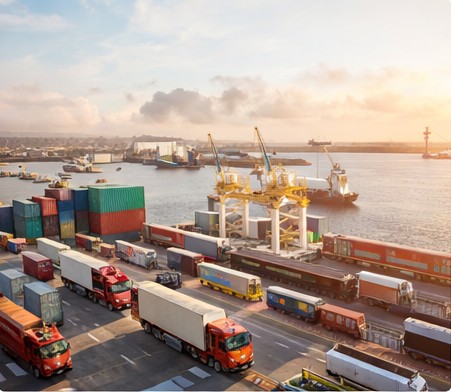
The region's geographical position makes it a strategic hub for energy transit routes. Enhancements in transportation infrastructure, such as roads, railways, and pipelines, are essential for facilitating the movement of energy resources to both local markets and international buyers. Investors are closely monitoring these developments, as robust infrastructure can significantly reduce operational costs and improve the overall efficiency of energy projects.
Challenges and Opportunities Ahead
Despite the promising outlook for energy expansion, there are challenges that could hinder progress. Political instability, regulatory hurdles, and the need for technological advancements pose risks to investment in Central Asia's energy sector. Additionally, the reliance on fossil fuels raises concerns about sustainability and environmental impacts.
However, the region also presents unique opportunities for investors. The push for greener energy alternatives is gaining traction, with countries exploring options such as solar and wind energy. These initiatives not only align with global sustainability goals but also offer avenues for new investments and partnerships.
Furthermore, the ongoing development of regional trade agreements can bolster cooperation among Central Asian nations. By working collaboratively, these countries can streamline energy production and distribution, making the region more attractive to foreign investors.
Conclusion
As Central Asia embarks on an ambitious path towards energy expansion, the success of infrastructure investment remains a critical factor. Balancing the need for increased energy production with sustainable practices and robust infrastructure development will be key to realizing the region's economic potential. Stakeholders in the Silk Road Economic Belt must remain vigilant, navigating the complexities of investment while capitalizing on the opportunities that lie ahead.
Recommended Resources
This page may contain affiliate links. If you buy through these links, we may earn a commission at no extra cost to you.
Logistics & Supply Chain Book
Useful background reading for transport corridors, trade routes, and supply chains.
View ResourceTrade Data Platform
A platform for researching trade flows, customs data, and freight trends.
Open PlatformBusiness Travel Insurance
Optional partner offer for readers traveling across Eurasia for business.
Check Offer