
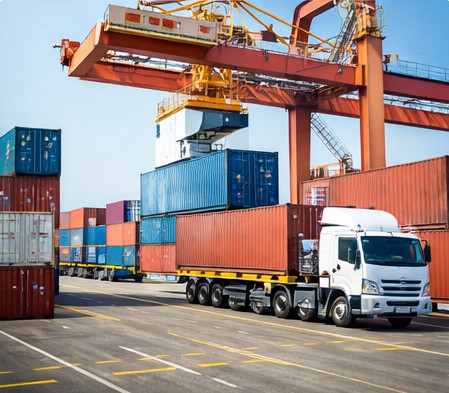





Importance of Logistics Infrastructure
The Eurasian Development Bank (EDB) has underscored an urgent need for a comprehensive logistics infrastructure in Central Asia. As the region continues to evolve as a significant nexus for trade and economic activities, the enhancement of logistics capabilities is deemed essential for fostering economic stability and growth.
Central Asia is strategically located, acting as a bridge between Europe and Asia. However, despite its advantageous position, the region faces considerable challenges in logistics and transportation. Existing infrastructure often lacks the robustness required to support the growing demands of trade, leading to inefficiencies that could hinder economic development.
Current Challenges
The EDB's recent assessment highlights several key challenges faced by Central Asian countries in their logistics frameworks. These include insufficient road and rail networks, inadequate warehousing facilities, and limited access to modern technologies. Such deficiencies can lead to increased transportation costs and delays, ultimately affecting trade competitiveness.
Additionally, the region's reliance on outdated infrastructure not only impacts domestic trade but also its integration into global supply chains. In a world where efficiency and speed are paramount, Central Asia risks falling behind if these issues are not addressed promptly. The EDB emphasizes that without significant investment and development in logistics, the potential for economic growth in the region may remain untapped.
Opportunities for Investment
The potential for investing in logistics infrastructure in Central Asia is considerable. With the global shift towards more interconnected supply chains, the region stands at a crossroads where strategic investments could yield substantial returns. The EDB suggests that both public and private sectors should collaborate to create a more conducive environment for infrastructure development.
Investors are increasingly looking towards Central Asia as a viable market for logistics and transportation projects. Initiatives that focus on modernizing transport corridors, enhancing border crossing facilities, and implementing smart logistics systems could serve to significantly improve the flow of goods in and out of the region.
Moreover, partnerships with international organizations and development banks could facilitate funding for major infrastructure projects. This collaboration could provide the financial backing necessary to undertake large-scale improvements and expand the logistical capacities of Central Asian nations.
Conclusion
In summary, the need for a well-developed logistics infrastructure in Central Asia is becoming increasingly clear. As highlighted by the EDB, addressing the current challenges is crucial for unlocking the region's economic potential. By investing in modern logistics systems, Central Asia can position itself as a key player in global trade, ultimately fostering greater economic stability and growth.
Recommended Resources
This page may contain affiliate links. If you buy through these links, we may earn a commission at no extra cost to you.
Logistics & Supply Chain Book
Useful background reading for transport corridors, trade routes, and supply chains.
View ResourceTrade Data Platform
A platform for researching trade flows, customs data, and freight trends.
Open PlatformBusiness Travel Insurance
Optional partner offer for readers traveling across Eurasia for business.
Check Offer