
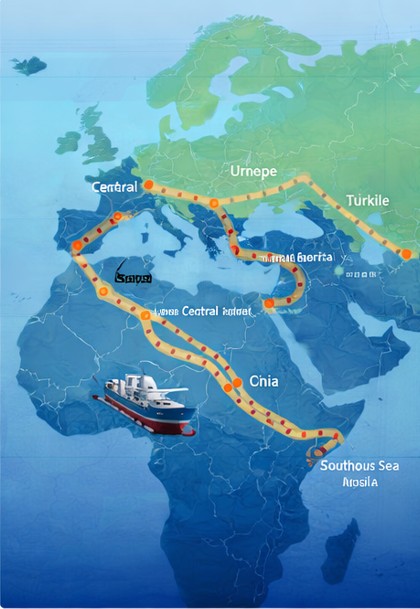





Introduction of New Transport Corridors
In a significant move to bolster trade and economic integration, Central Asian countries are actively developing new transport corridors. These initiatives are expected to enhance connectivity within the region and facilitate greater access to global markets. The initiative comes at a time when nations in the area are increasingly recognizing the importance of infrastructure and logistics in driving economic growth.
The new corridors aim to improve transportation links not only between Central Asian nations but also with neighboring regions, including Europe and Asia. This development is aligned with broader strategic initiatives, including the Belt and Road Initiative (BRI) launched by China, which aims to enhance trade routes across Eurasia.
Infrastructure Development Efforts
Central Asian governments are investing significantly in infrastructure to support these new transport corridors. This includes the construction of railways, highways, and logistics centers designed to streamline the movement of goods. Improved infrastructure is crucial for reducing transit times and costs, making the region more competitive in international trade.
For instance, countries like Kazakhstan, Uzbekistan, and Kyrgyzstan are focusing on enhancing their rail networks. The creation of modern railway links is expected to facilitate the faster movement of freight, particularly between China and Europe. These developments are seen as vital for attracting foreign investment and encouraging regional trade partnerships.
Moreover, the establishment of logistics hubs is also part of the strategy to enhance the operational efficiency of supply chains. These hubs will serve as key points for the consolidation and distribution of goods, enabling companies to optimize their logistics operations.
Regional Collaboration and Economic Impact
The expansion of transport corridors is not just a national endeavor; it involves regional collaboration among Central Asian nations. By working together, these countries aim to create a cohesive economic space that can attract investment and promote trade. Joint projects are being initiated to share resources and expertise, which can lead to more sustainable growth.
The anticipated economic impact of these new corridors is significant. Improved trade routes are expected to stimulate local economies, create jobs, and enhance the overall quality of life in the region. Furthermore, by increasing access to international markets, Central Asian countries can diversify their economies and reduce reliance on traditional commodities.
However, the success of these initiatives will depend on effective governance and the ability to navigate complex regional dynamics. Political stability and collaborative frameworks will be essential in ensuring that the benefits of enhanced connectivity are realized across all participating nations.
Conclusion
The development of new transport corridors in Central Asia marks a pivotal step towards strengthening trade and economic ties in the region. As countries invest in infrastructure and collaborate on logistics, the potential for increased economic growth and regional integration becomes more tangible. Continued focus on these initiatives will be crucial for Central Asian nations as they seek to leverage their geographic position to enhance their role in global trade networks.
Silk Road Economic Belt Map
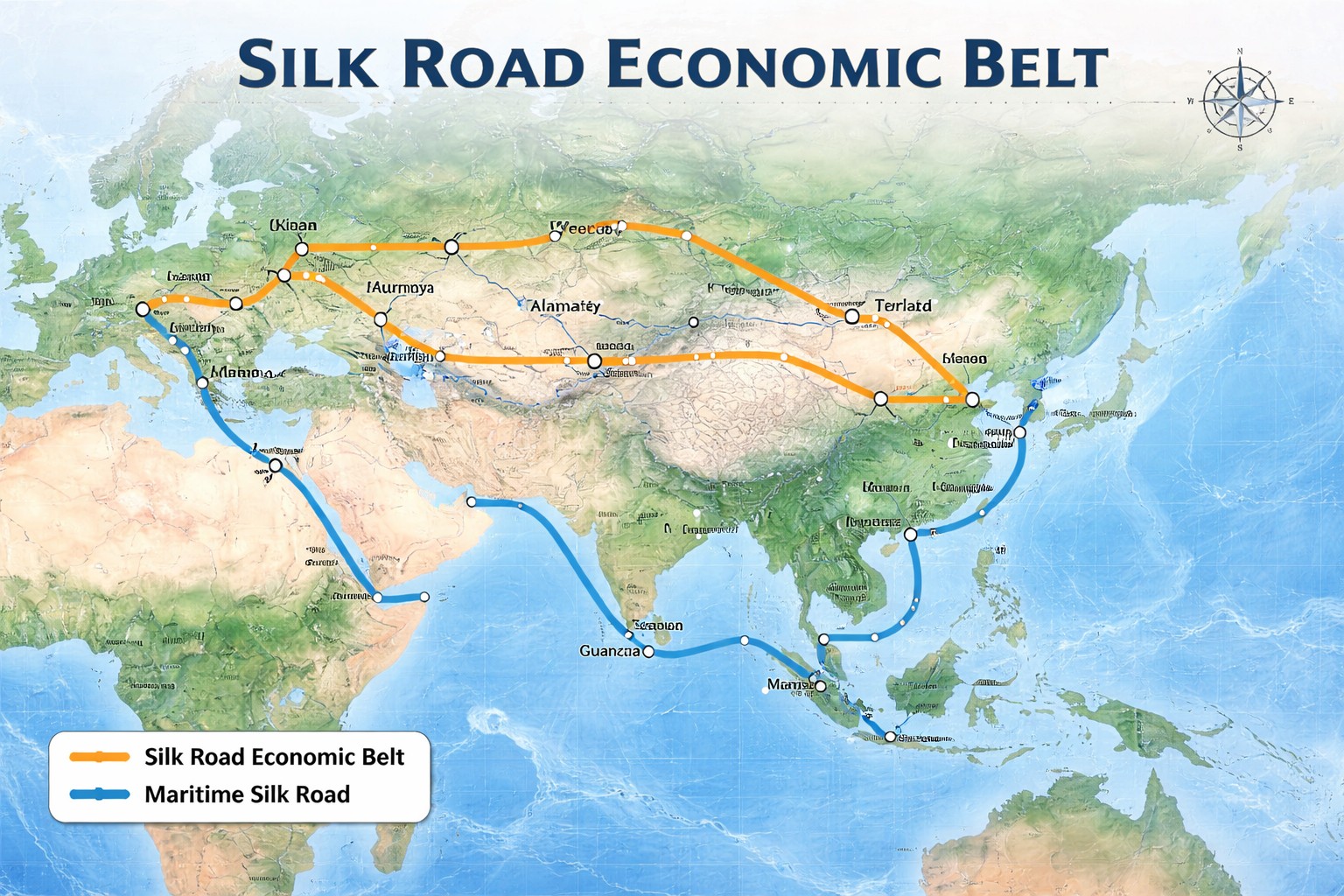
Map overview of Eurasian corridors and trade routes.
Recommended Resources
This page may contain affiliate links. If you buy through these links, we may earn a commission at no extra cost to you.
Logistics & Supply Chain Book
Useful background reading for transport corridors, trade routes, and supply chains.
View ResourceTrade Data Platform
A platform for researching trade flows, customs data, and freight trends.
Open PlatformBusiness Travel Insurance
Optional partner offer for readers traveling across Eurasia for business.
Check Offer